

News
 Ayati Mishra wins Goldwater Scholarship (2026)


For the First Time, Scientists Have Mapped the Genetics of How the Brain Ages, Region by Region
USC Viterbi senior Nicholas Kim, a biomedical engineering major, led the landmark study with hopes that it could one day help improve the treatment of dementia and other brain disorders.

USC Leonard Davis School Researchers Rank Among Most Cited Scientists in the World
Members of the USC Leonard Davis School of Gerontology faculty rank among the most highly cited scientists in the world, according to data from analytics company Clarivate and an updated analysis led by Stanford researchers.

Professor Andrei Irimia featured in BBC Documentary “Mind Over Matter”
Dr. Andrei Irimia was recently featured in the BBC Documentary “Mind Over Matter”, where he discussed how the brain changes with age.
Predicting neurodegeneration using artificial intelligence

Sex-differences in brain aging
Neuroimaging and data analysis of the aging brain
Using AI to measure brain aging
How traumatic brain injury influences biological aging
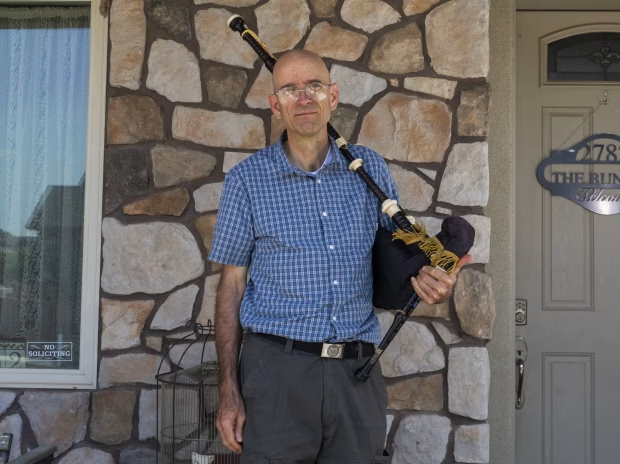
Is Your Brain Aging Faster Than You? New Science Offers Clues
Emerging research on lifestyle changes and the development of preventive approaches are revealing an opportunity to measure and boost cognitive health

Dementia breakthrough: Science can now measure your brain’s true ‘biological age’
Combining MRI scans and AI could reveal how old your brain is and how fast it’s ageing

New AI Model Measures How Fast the Brain Ages
A new artificial intelligence model measures how fast a patient’s brain is aging and could be a powerful new tool for understanding, preventing and treating cognitive decline and dementia, according to USC researchers

Brains Age in Five Different Ways
Brain scan study hints that methods could be developed to detect the earliest stages of neurodegenerative disease.
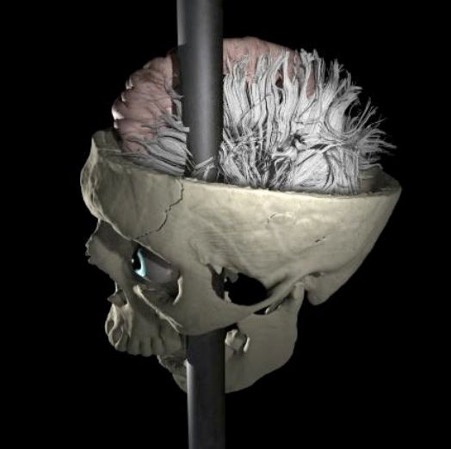
Phineas Gage, Neurology’s Most Interesting Case, Gets His Head Re-Examined With a New Neural Map
Scientists are getting another chance to get inside Phineas Gage’s head. The 25-year-old Gage was a railroad supervisor back in 1848, using a 13-pound, 3-foot-7 iron rod to pack blasting powder into a rock just moments before becoming history’s most interesting neuroscience case.
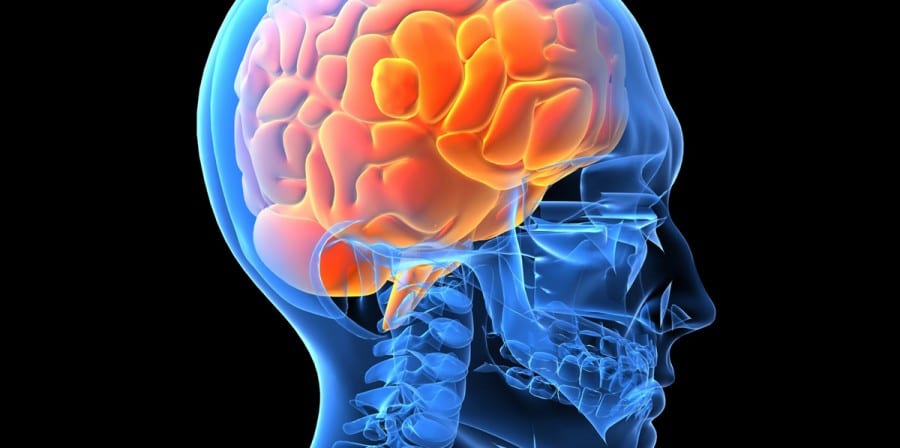
Following a traumatic brain injury, when do the first indications of possible long-term complications—including dementia—appear, and is it possible to stave them off?

Research led by Andrei Irimia shows how traumatic injuries increase the brain’s “biological age”
The popular aphorism states that “age is just a number,” but USC Leonard Davis–led research shows how calculating the biological — as opposed to chronological — age of the brain could be a powerful tool in screening for brain health issues, including dementia, even before symptoms occur.
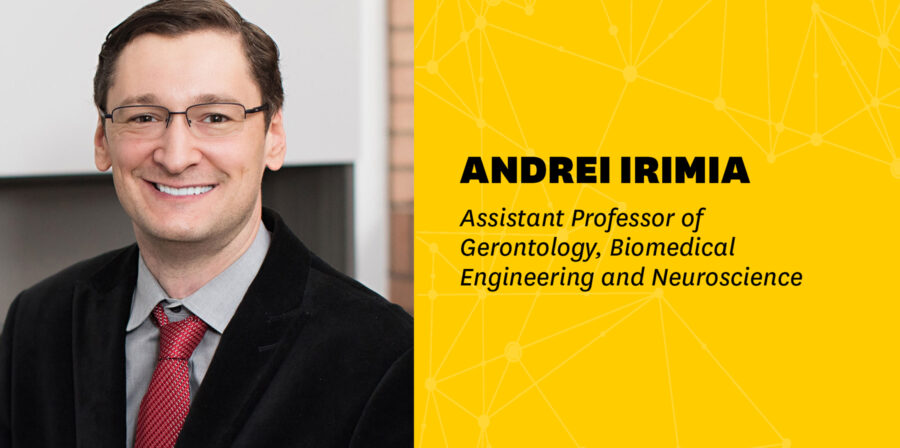
Associate Professor of Gerontology Andrei Irimia joins Professor George Shannon on the most recent episode of Lessons in Lifespan Health to discuss brain imaging and brain health, including his work to determine who is most at risk for Alzheimer’s disease after suffering a concussion or traumatic brain injury.

The Tsimané people of Bolivia have almost no dementia. Scientists say modern life is our problem.
Their rate of dementia is roughly 1%. In the United States, it’s 11%.

Bolivian community with just 1% dementia and the ‘healthiest hearts in the world’ follow this diet
As Americans race to unlock the secret to anti-aging, the answer could be tucked away in the depths of the Amazon rain forest.

Healthy lifestyle may protect Amazon tribes from dementia
The Tsimané tribe in Bolivia was found to have low rates of dementia even compared to other indigenous populations around the world

Amazon indigenous group’s lifestyle may hold a key to slowing aging
Despite high levels of inflammation, the Tsimane people in Bolivia are unique for their healthy brains that age more slowly, a USC study finds.