
In the fall of 1975, an inaugural class of 55 students attended a first-of-its-kind institution. The new school would bring together scholars from fields as disparate as sociology, law and medicine to launch a formal study of gerontology. Among its program offerings was a brand-new Master of Science in Gerontology. Its innovative curriculum would set the standard by which later gerontology programs across the United States were designed and created.
Today, the USC Leonard Davis School of Gerontology boasts a half-century of leadership, one that has fundamentally reshaped how society looks at and studies aging and older people. The school’s founders and trailblazing students foresaw a need for deeper understanding as the nation’s population aged. Fifty years on, USC Leonard Davis’ scholars and researchers try to anticipate the challenges and opportunities of the coming decades, even during these unpredictable times.
“What sets the USC Leonard Davis School apart is its interdisciplinary focus, and that’s been true since its founding. It brings together experts in sociology, biology, neuroscience and more and asks these researchers to talk to each other and develop partnerships within the school and with other parts of the university,” says USC Interim President Beong-Soo Kim. “This collaboration has truly pushed the frontiers of the science and understanding of aging … and through that collaboration, we’re able to really be at the forefront of gerontology research, education and policy.”
At the USC Leonard Davis School, constant innovation in education, research, outreach and advocacy has meant never resting on its laurels. In celebration of this milestone, students, alumni, faculty and donors paint a picture of the school’s enduring and pervasive positive impact.
Andrus Center Becomes Home to the Leonard Davis School
The story begins with Ethel Percy Andrus and Leonard Davis, advocates for older adults who co-founded AARP in 1958. Following Andrus’ passing in 1967, Davis spearheaded what Dean Pinchas Cohen calls “the original crowdfunding experiment,” receiving donations from more than 400,000 AARP members to build the Ethel Percy Andrus Gerontology Center at USC.
“It all started 60 years ago,” Cohen says, “when Ethel Percy Andrus … recognized a need for an academic discipline in a major university that would address the issues of older people medically, biologically, socially and policywise.”
Formally dedicated in 1973, the Andrus Center became the first major research institution devoted solely to aging. Two years later, Davis endowed a school of gerontology to be headquartered in the center, giving it its name and cementing its mission.
“I was in charge of the three-day conference that dedicated the Leonard Davis School 50 years ago,” says Board of Councilors Chair Shari Thorell ’65, who was the director of development and public relations of the Andrus Center at the time. “We had people come from all over the world. The energy and excitement were amazing.”
At the time, even the field’s name was unfamiliar to many. “Most people didn’t recognize the word ‘gerontology’ or even how to spell it,” Thorell adds. “One of our biggest dreams was that it would finally get on the map of people’s consciousness.”
Board of Councilors member Rick Matros MSG ’77, one of the school’s first students, knew that he and his classmates were part of something new and special. “There was no blueprint for the school. … We were kind of like a lab,” he recalls. “It was really just soaking up everything we could because there was no real prep for anything at that point.”
Following graduation, Matros says his trailblazing credentials captured the attention of employers as he started his career. “No one could believe that I was applying for [nursing home] jobs with a master’s degree from USC in gerontology,” he says. “I actually had my pick of positions at the time. That was really super meaningful because nobody had ever seen it before.”
Over the decades that followed, the USC Leonard Davis School didn’t just put gerontology on the map — it drew the map itself.
A Multidisciplinary Aging Hub
In a 2003 Contemporary Gerontology article, James Birren, the Andrus Center’s founding director and the first dean of the USC Leonard Davis School, and then-Associate Professor Phoebe Liebig wrote about the school’s history and its aim to “infect” other academic disciplines with the “aging bug.” That spirit lives on through joint appointments and collaborative research across USC’s schools and departments.
Caleb “Tuck” Finch, now University Professor Emeritus, remembers touring the Andrus Center construction site when it was “literally just a hole in the ground” before joining USC in 1972. “What attracted me to USC and to the gerontology program was the intention to build a multidisciplinary program that would include the sociodemographic components as well as, at that time, the very beginning of neuroscience and studies on Alzheimer’s disease,” he says.
Eileen Crimmins, USC University Professor and AARP Chair in Gerontology, also says the multidisciplinary nature of the school was what drew her to join USC Leonard Davis in 1982. At the time, she was investigating trends in mortality in older adults. She recalls that at many other institutions, she felt the need to explain why it was a significant area to study — but not at USC.
“I didn’t have to make the case for why studying mortality among older people was important. Everybody was interested,” she says.
As her fellow faculty members took interest in her work, Crimmins also learned from and collaborated with her colleagues, including Finch. This environment contributed to Crimmins’ pioneering work in biodemography, the incorporation of biological measurements into large population stud-ies, enabling researchers to study how social and economic factors affect health outcomes.
“I had never studied cognition,” she says. “I didn’t know much about biology … but I learned the things I needed to know from being here. I don’t think that would’ve been possible in any other place.”
Brett Anderson, who completed the dual Master of Science in Gerontology and Master of Social Work program in 2021, found that what she learned in school directly applied to her new career as a gerontological social worker. “The way we study gerontology at USC is very interdisciplinary,” she says. “That training helped me work with the hospital’s palliative care team to talk about a patient from all the different facets and then come up with a holistic plan.”
Professor Christian Pike, assistant dean of research, joined USC in 1999 as an Alzheimer’s researcher and didn’t expect to work with others outside his immediate area of study. “The idea of being multidisciplinary and highly collaborative wasn’t really on my radar, and at first, I didn’t always appreciate it,” he recalls. “But now it defines my experience and so many others’ with the school.”
Associate Professor Bérénice Benayoun has a similar appreciation for her colleagues’ wide variety of expertise. “You are working in your office and then suddenly you have an idea and you want to talk to someone. Who better than the person across the hall, right?” she says. “It creates regions of synergy that could never have occurred in any other context.”
The USC Leonard Davis School’s numerous joint appointees also tell the story of how disparate fields come together in the study of aging. One notable example: Professor Victor Regnier, an architect and expert on the design of housing and community settings for older people, holds a joint professorship between the USC School of Architecture and USC Leonard Davis. His is the only joint appointment of its type in the nation.
“Gerontology changed the way I approach and teach architecture. Even though my primary appointment is in architecture and most of my teaching is with young design students, my connection to gerontology can’t help but make me aware of how all people are affected by the design of the physical environment as they age,” he says. “Like many other professors who are tenured in another school, the connection I have with the Andrus Center is really extraordinary because of the people who are here, the work that’s taking place and the level of innovation it pursues. It is simply an amazing place to be around.”

James Birren, founding dean of the USC Leonard Davis School and founding director of the Ethel Percy Andrus Gerontology Center
First-of-Its-Kind Degrees
The USC Leonard Davis School has always been a pioneer in education. Within its first decade, it launched joint degrees with business, dentistry and pharmacy; introduced a Bachelor of Science degree; developed faculty training programs for instructors nationwide; and created the first undergraduate health sciences track in gerontology. In 1989, it launched the nation’s first doctoral program in gerontology.
“The faculty proposed a PhD degree,” recalls Edward Schneider, professor of gerontology, medicine and biology and dean of the USC Leonard Davis School from 1986 to 2004. “I wasn’t sure many students would want to enroll. But ultimately, I was willing to try just about anything that would further the field of gerontology. And it’s been very successful. Many of our PhD graduates now head departments on aging across the country.”
Crimmins says the school’s graduates are its most important contribution to the wider field. She recalls how early USC Leonard Davis graduates brought evidence-based expertise to places where there had previously been very little knowledge about aging. “When we started giving degrees, people would go off to Washington, D.C. … and they’d be shocked at how little people in Washington knew and how much they felt they knew as relatively young students,” she recalls.
In 1993, Valentine Villa graduated with the first-ever PhD in Gerontology. Today, she is a professor of social work and director of the Applied Gerontology Institute at California State University, Los Angeles. “It was that training here at the Leonard Davis School, and particularly the mentorship of Eileen Crimmins, which enabled me to follow my research interest in health disparities,” she says. “I found myself being invited into research teams. … I could hold my own because of the training I received at this school.”
In 1998, a decade after the launch of the PhD in Gerontology, the school offered the first fully online master’s degree in gerontology. The online Master of Arts in Gerontology program was also the first online program to be accredited by the Western Association of Schools and Colleges, years before distance learning became mainstream.
The move to online learning, led by forward-thinking staff members such as Senior Associate Dean Maria Henke, also cemented USC’s reputation as an innovator. “The Leonard Davis School was a great pioneer in online learning,” Schneider says. “We didn’t know anything about internet-based learning when we began.”
For students like Anderson, the flexibility was invaluable. “Being online meant I could study with people across the country and compare how the aging process exists and evolves in our different societies and micro- and macrocultures across the world,” she says.
Today, the USC Leonard Davis School boasts the largest selection of gerontology programs in the nation, the result of being committed to educational innovation. Degrees introduced in recent years include master’s programs in nutrition and dietetics and in technology and aging, as well as new master’s and PhD degrees focusing on the genetic, molecular and cellular mechanisms that underlie aging.
“The secret to this school’s success is to anticipate and predict what are going to be the new disciplines,” Cohen says. “For example, a decade ago, we introduced the Master of Science in Nutrition, Healthspan and Longevity to educate future dietitians who understand the specific nutritional needs of older adults. Similarly, we’ve just started the Master of Science in Applied Technology and Aging because, clearly, the solution for the ever-growing need to take care of older people is going to involve advanced technology, such as AI software, robotics and related approaches.”

University Professor Emeritus Caleb Finch, who joined USC in 1972
Research Redefines Aging Study
Over five decades, the USC Leonard Davis School has built an unmatched record of research excellence, from the study of Alzheimer’s disease and the biology of aging to public policy, psychology and the social dimensions of growing older. Faculty and students alike are immersed in this environment of discovery.
Vice Dean and Professor of Gerontology Sean Curran says a commitment to cutting-edge research and evidence-based approaches is foundational to the school’s work. “All of our educational programs are rooted in scientific research as well as being practical in nature,” he says. “We provide opportunities both to learn from world experts in the classroom, to put that knowledge and education into practice out in the field, and then continually connect with those students as they evolve and become further leaders in the world of gerontology.”
For Joshua Senior, who graduated with a BS in Human Development and Aging in 2025, the research experience was transformative, turning personal experience into inspiration for his scientific career.
“My grandmother is 103 years old, and she is my rock. Once she developed dementia, I wanted to better understand the changes that she was going through, neurocognitively and emotionally,” he says. “I joined the Emotion and Cognition Lab under Professor Mara Mather.
Through that work, I was able to better understand how the brain changes over the lifespan.”
Being immersed in this environment not only stokes scientific curiosity but also shapes one’s personal outlook on aging, says Sarah Shemtov, a 2025 Biology of Aging PhD graduate. “The Leonard Davis School has taught me aging is not necessarily about decline and that it’s full of challenges, but it’s also full of growth and resilience.”
The impact of USC Leonard Davis is undeniable, Cohen says. “This school is by far the most significant place in the world doing research and education into aging and longevity fields. The people who’ve worked here over the last 50 years are the trendsetters and the people who created the disciplines within the aging field,” he says. “Most importantly, we’ve educated many, many, many hundreds of people who are leaders in both government, nonprofit, industry and academia who really defined the agenda for aging. Wherever you see an aging policy, an aging innovation, an aging discovery, chances are they involve somebody who was affiliated with our school.”
Generations of Support for the Mission
Philanthropy has sustained and expanded the school’s impact. Gifts to the school support scholarships for students, promising pilot research studies, updates to essential classroom and laboratory infrastructure, and more. For many supporters, giving is deeply personal.
Alan Davis, son of Leonard and Sophie Davis and president of the Leonard and Sophie Davis Fund, says his parents “were fairly innovative philanthropists and either created or supported a number of institutions that really stand out in different ways. And so when I took over managing the Leonard and Sophie Davis Fund, I thought it was really important to maintain that legacy.”
“Now,” he adds, “the goal is to try to take these institutions that were 20th century and provoke them to be engaged in 21st-century concerns and activities, and it’s been an exciting journey.”
Alan’s wife, Mary Lou Dauray, USC Leonard Davis Board of Councilors member and Davis Fund vice president, says she is particularly proud of the USC Leonard Davis School’s leadership in universal design and its work in creativity in aging.
“I’m especially excited for NeuroArts, where they’re studying how the brain can be affected by art and artistic engagement,” says Dauray, an award-winning artist and designer. “This is a growing field that didn’t exist until recently, and I’m confident that USC is going to be the leader in it.” A recent gift from the Davis Fund established a fund to support the school’s new Arts and Healthy Aging Center, which supports the study of artistic engagement and how it relates to health and aging.
Like Alan Davis, giving to the school has been a family affair for Shari Thorell. Both Davis and Thorell are second generation leaders and major donors to the USC Leonard Davis School. “My husband and I feel that of all of our investments, our gifts to the gerontology center have had the biggest impact and the biggest return on our investment,” Thorell says. “It’s knowing that it’s not something frivolous, that what they’re doing here is truly important.”
Her Davis School philanthropy includes support for the annual Hanson-Thorell Family Research Awards, which provide pilot funding for junior faculty members as they explore new avenues of research. The award originated with funding from Shari’s father, former Board of Councilors Chair Al Hanson. Bob and Shari Thorell have built on this multigenerational family commitment to philanthropic support of the Davis School with a new endowment fund dedicated to supporting faculty research at all levels — the Thorell Family Endowed Faculty Award.
In 2018, Board of Councilors member Mei-Lee Ney established the school’s Ney Center for Healthspan Science with the largest gift in the school’s history. She notes that being involved with the school and learning from its experts has influenced her thoughts on aging and personal transformation. “It’s not the lifespan that matters — it’s the healthspan. I eat better, exercise more and value relationships more,” she says. The Ney Center, led by Dean Cohen, has the potential to help transform the school’s efforts in geroscience research.
For Board member Kathleen Gilmore, the school’s mission resonates with her professional experience. “I wanted to be associated with a place that’s saying the elderly are valuable, they still have something to give back, and we have something to give them to enhance that last third of life,” she says.
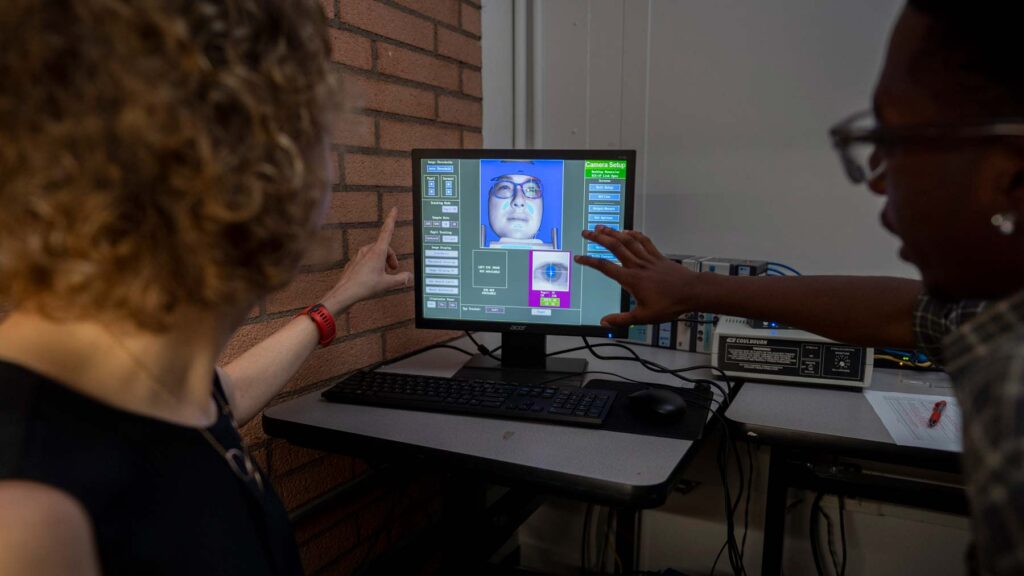
Professor Mara Mather and Joshua Senior, BS in Human Development and Aging ’25, in the Emotion and Cognition Lab
Looking Ahead: The Next 50 Years
For research universities aiming to make the biggest possible impact on human health and well-being, it is critical to predict and respond to the biggest opportunities and challenges presented by a rapidly aging society, Interim USC President Kim says.
“Aging doesn’t just pose tremendous scientific challenges. … I think it’s also a moral responsibility for universities like USC to bring together experts from so many different fields to not just understand how aging works but also understand its societal impacts and how to improve the policies around aging,” he says. “I don’t think any university is better positioned than USC to bring together policy expertise, biological expertise, scientific prowess, AI tools, the arts and more to really address this challenge holistically.”
If the past five decades were about establishing and raising awareness of gerontology, the future will be about personalization, technology and healthy longevity, according to USC Leonard Davis School faculty and supporters.
“Our scientists are thinking, ‘OK, how can we turn back the aging process? How can we keep you healthy for every moment of your life?’” Thorell says. “Our grandkids will have a completely different aging experience, and that’s going to happen right here.”
Issues related to health care, housing and caregiving will especially be in sharp focus. “We are living in a state, a country and a world where there are many more older people,” Regnier says. “We want to be able to care for them, as well as enfranchise them in as many ways as we possibly can.”
Finch predicts a greater focus on how environmental challenges impact the aging process and the development of therapeutics to stave off related illnesses. “In the decades ahead, air pollution will continue to be a major factor in the aging process,” he says. “New medications being developed to delay early stage dementia may also reduce the impact of air pollution on the brain and delay, to some extent at least, the progression that leads to loss of synapses and clinical-grade dementia.”
Curran emphasizes a coming shift in scope. “The last 50 years have focused on universal aspects of aging,” he says. “I think the future of aging is going to be a personalized approach to understand how an individual’s genetics, how their environment, how their access to resources change that aging trajectory.”
Benayoun agrees, envisioning “precision geroscience” as the next frontier. “Combining all of this together is going to mean that we can lead the charge in research on a precision approach to aging,” she says.
From a hole in the ground in the early 1970s to the global hub of gerontology today, the USC Leonard Davis School has not just chronicled the story of aging but also has shaped it. With visionary leadership, fearless innovation and an unwavering belief in the value of older lives, the school stands as both pioneer and guide.
Fifty years after its founding, it remains a place where disciplines converge, generations connect and the promise of a healthier, longer, more meaningful life continues to inspire.
“The future is confusing and uncertain … but one of the areas we can count on is that there’s going to be more and more older folks who are going to need support, care and solutions. Gerontology and caregiving are going to be areas where opportunities will continue to grow,” Cohen says. “Whatever is going to emerge in the gerontology universe, our school is going to be part of it, and our graduates and our scientists are going to be part of the solution.”
Educational Innovation Through the Years
From establishing the first freestanding school of gerontology to designing degrees to meet the moment, the USC Leonard Davis School continues to set the standard for gerontology education.
1975
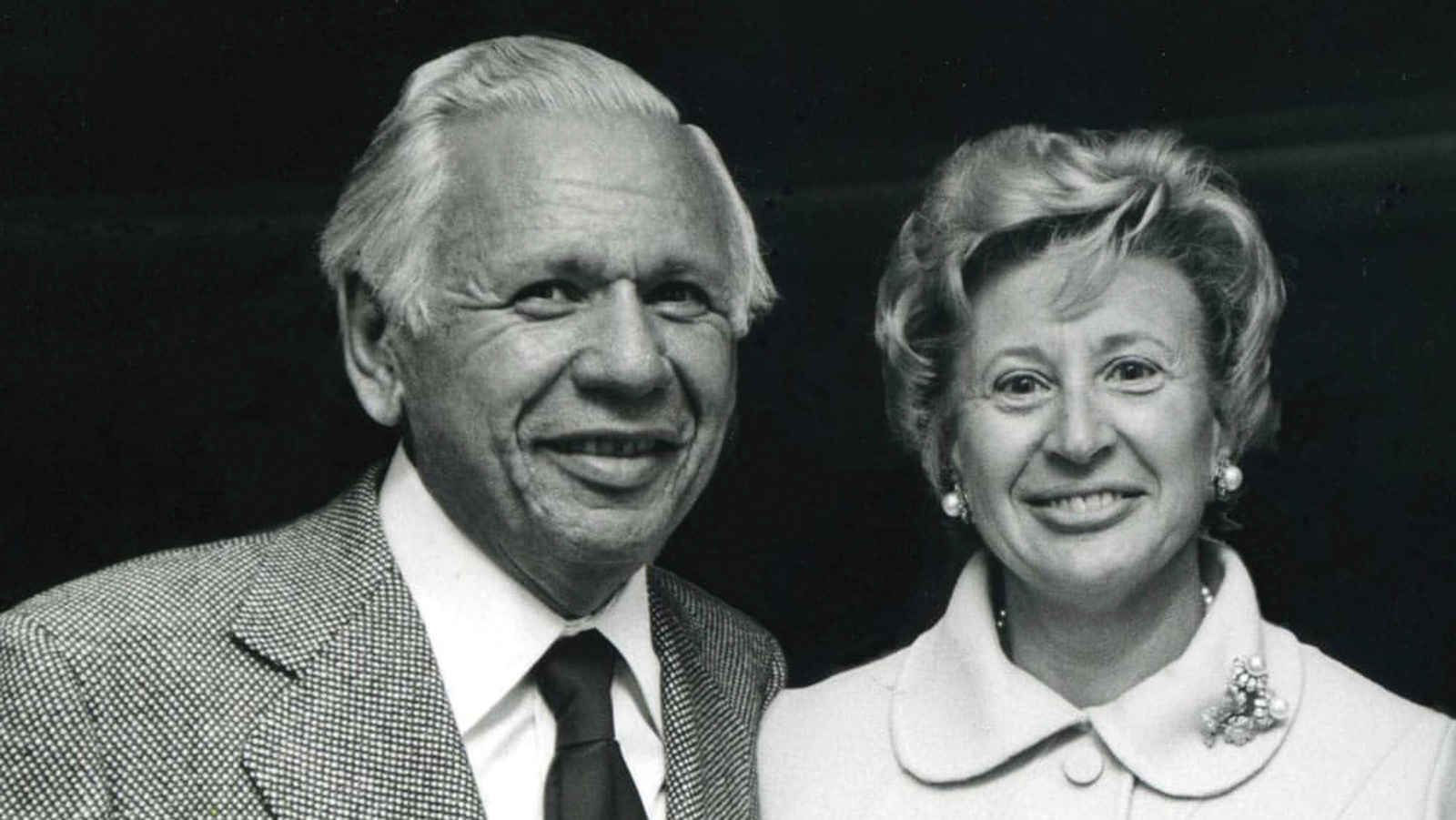
Leonard Davis (pictured above with wife Sophie) donates funds to create and endow the USC Leonard Davis School of Gerontology. James Birren is the school’s inaugural dean. In the fall, the Leonard Davis School welcomes the first group of 55 students to its sole program, the Master of Science in Gerontology.
1989
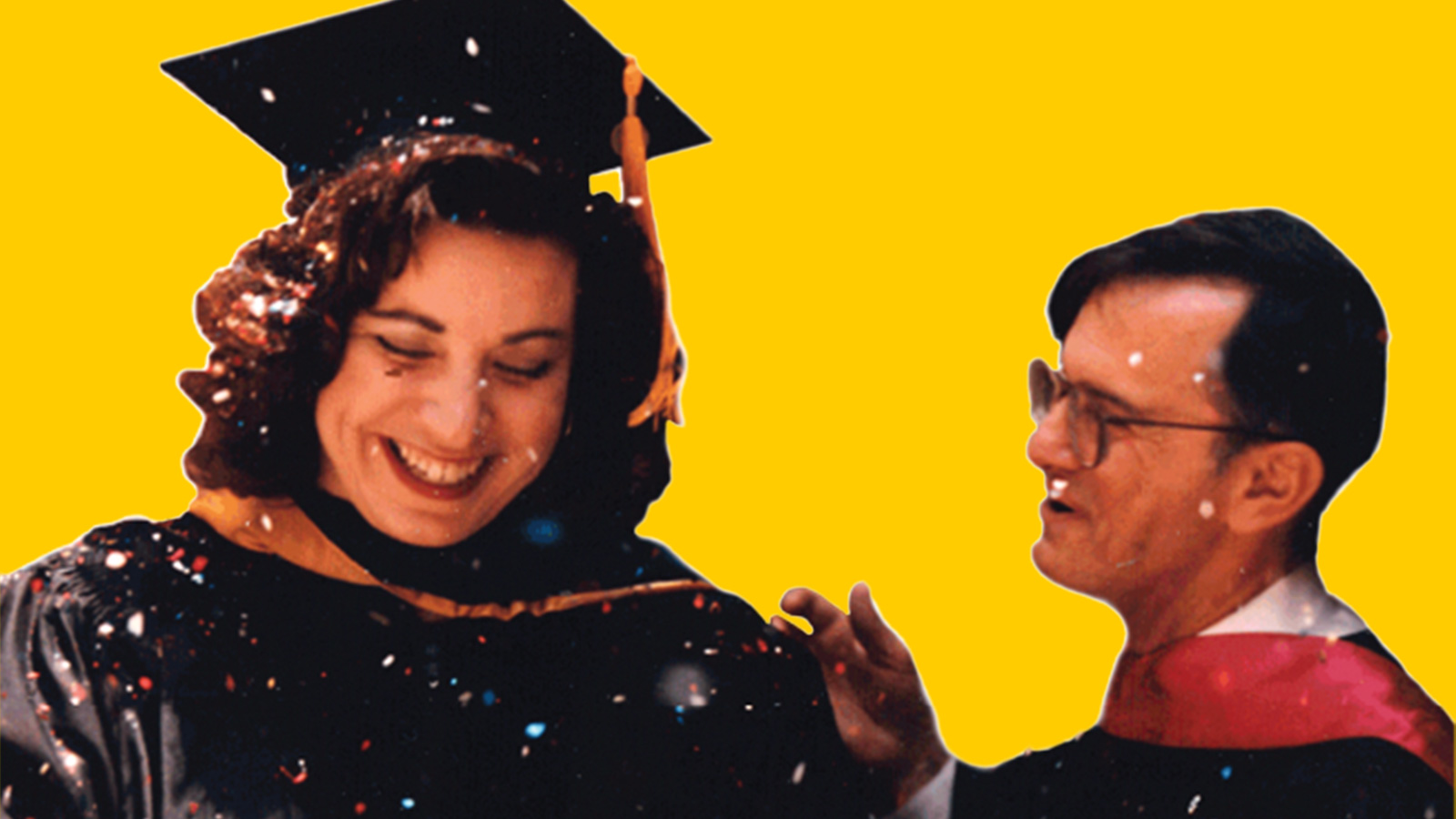
Under Dean Edward Schneider, the school introduces the PhD in Gerontology. In 1993, Valentine Villa (above, with Professor Jon Pynoos) earns the first-ever PhD in Gerontology.
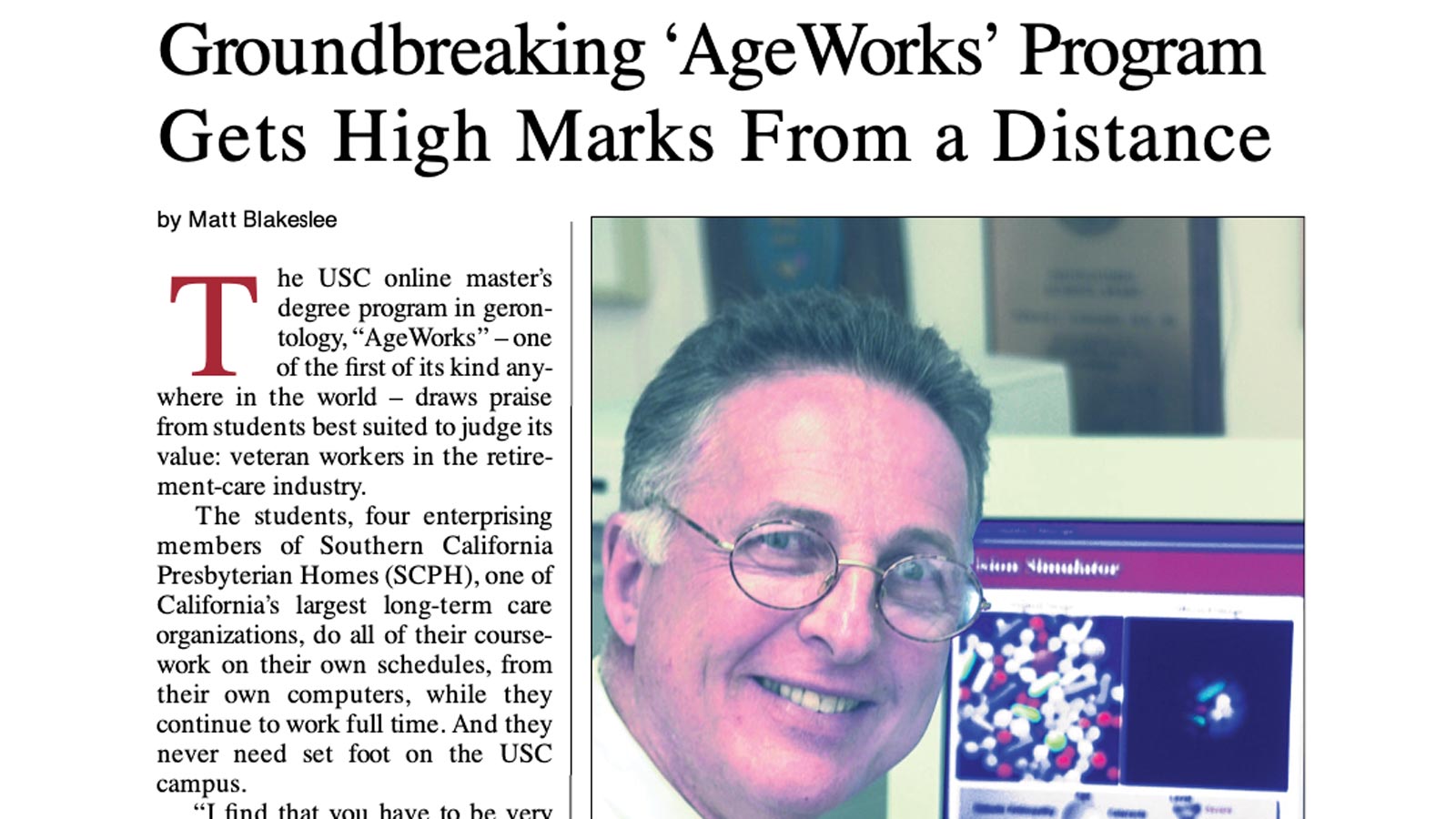
1998
The online Master of Arts in Gerontology becomes the first-ever online graduate program in gerontology as well as the first internet-based program to receive accreditation from the Western Association of Schools and Colleges. The inaugural class of online master’s students graduates in 2002.
In the following years, the school remains committed to offering most master’s programs both on-site and online, including the Master of Arts in Long-Term Care Administration (launched in 2003), the Master of Arts in Aging Services Management (launched in 2008) and the Master of Arts in Senior Living Hospitality (launched in 2020).
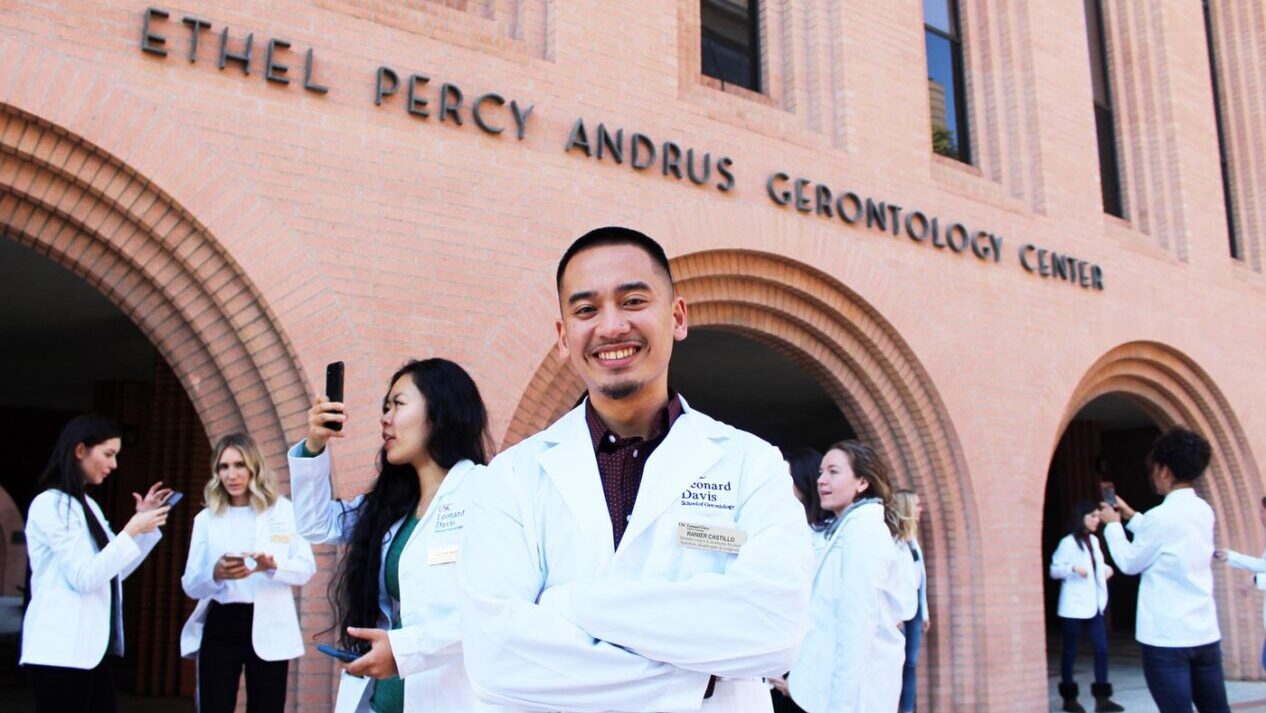
2015
Under Dean Pinchas Cohen, the USC Leonard Davis School launches the Master of Science in Nutrition, Healthspan and Longevity, a coordinated dietetics program. MSNHL graduates are eligible to take the exam that confers the Registered Dietitian Nutritionist (RDN) credential. The first cohort of students graduates in 2017.
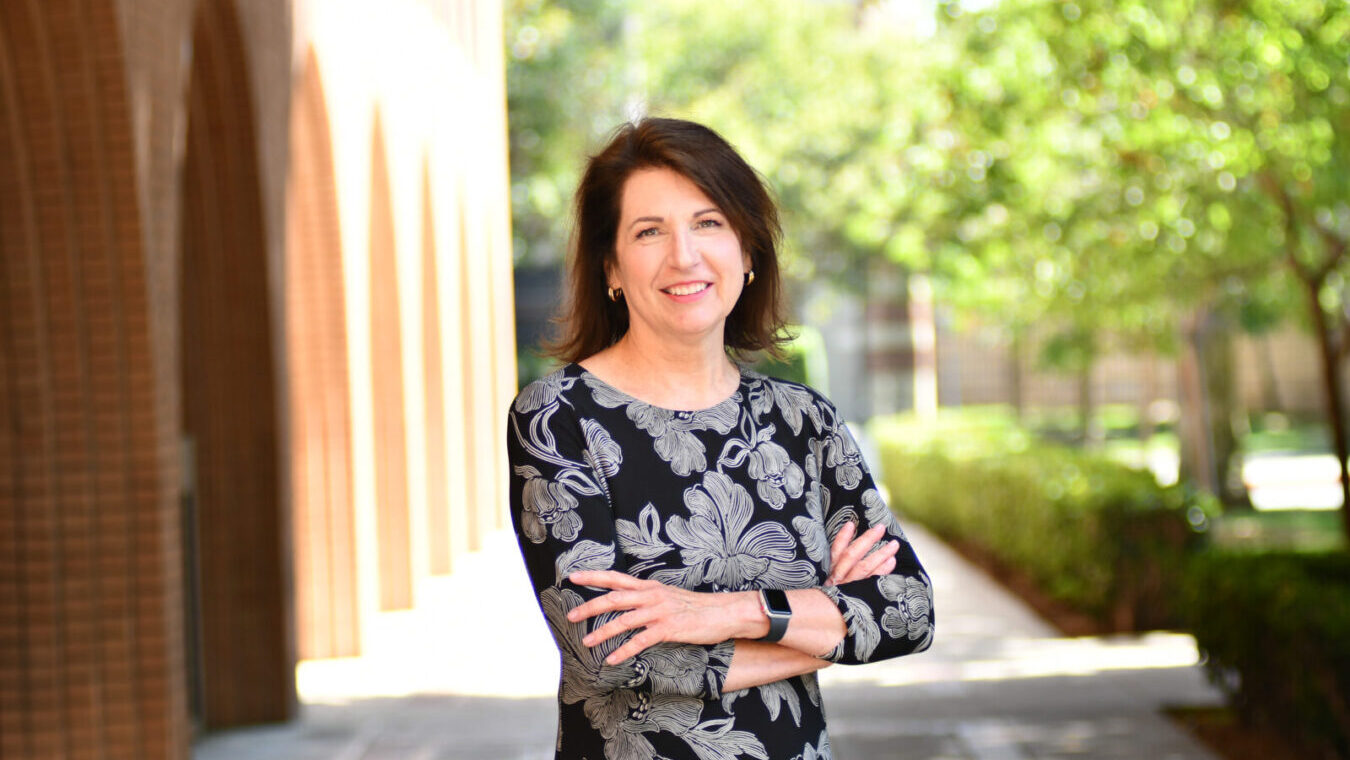
2022
The school launches the Master of Science in Applied Technology and Aging to prepare professionals to best use new scientific innovation and technology to support older adults’ health, independence and safety. Dorice Redman is the program’s first graduate in 2024.
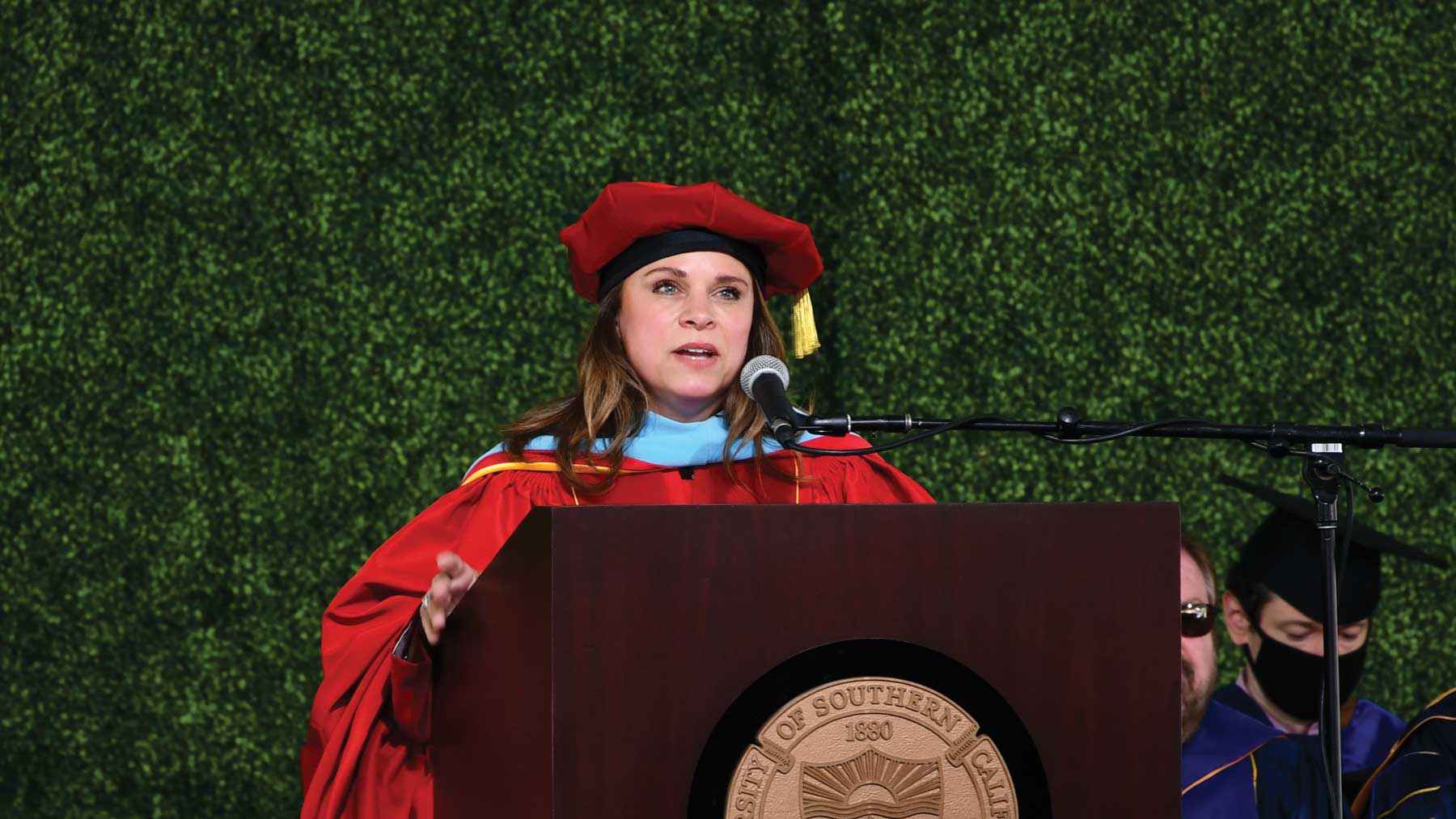
2024
The school debuts the Doctorate of Longevity Arts and Sciences. This program provides high-achieving individuals with a rigorous academic experience that includes a final summative project such as a book, proposal for a nonprofit organization or piece of legislation. Jacqueline DuPont Carlson MSG ’95, MPA ’96, EdD ’21 is the program’s first graduate in 2025.
2025
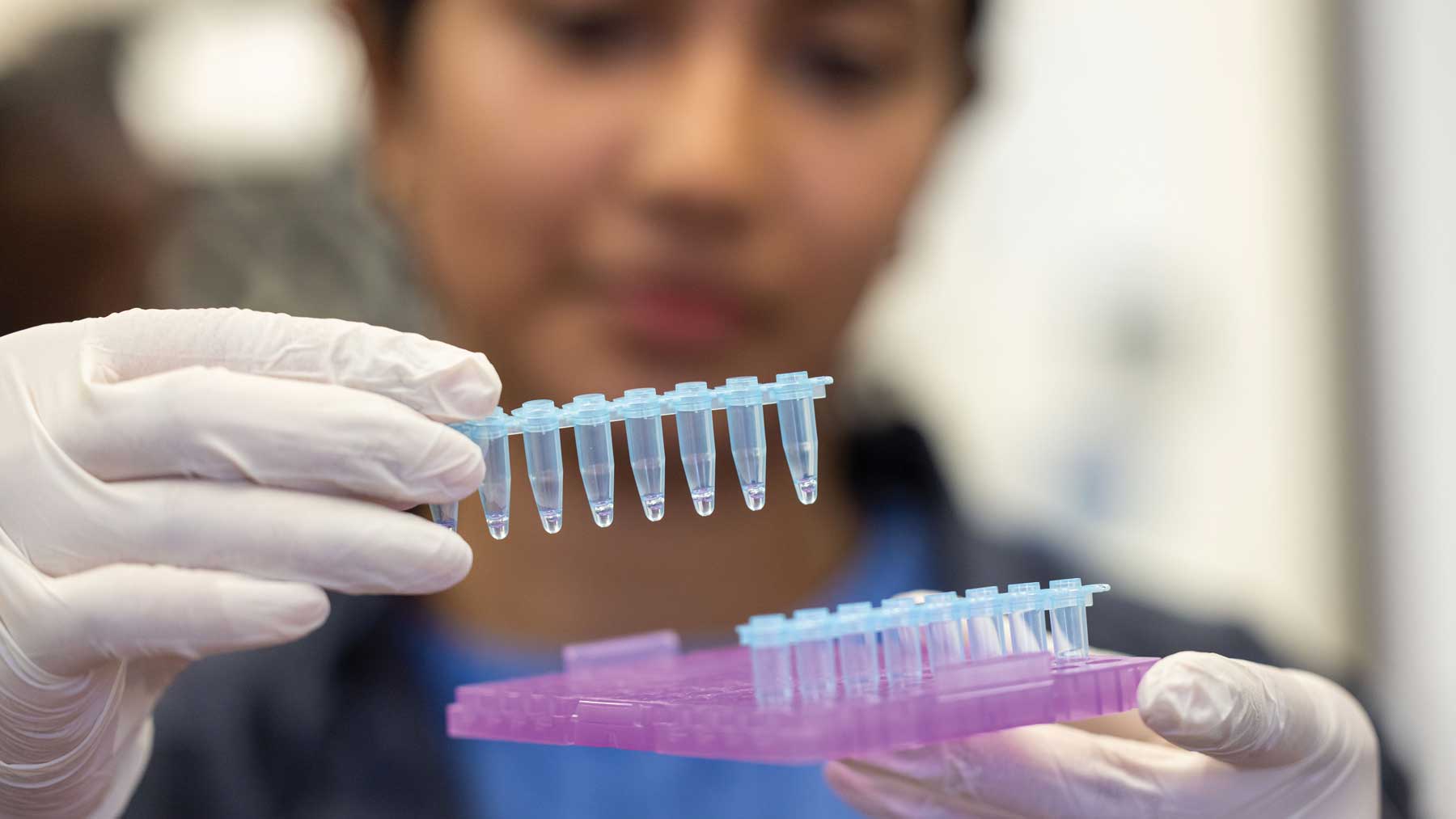
Following the launch of the Geroscience minor in 2021 and the PhD in Geroscience in 2024, the school further expands its biology-centric offerings with the Master of Science in Aging Biology.