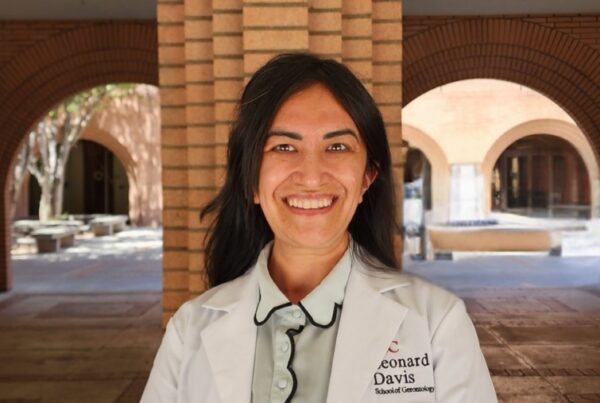
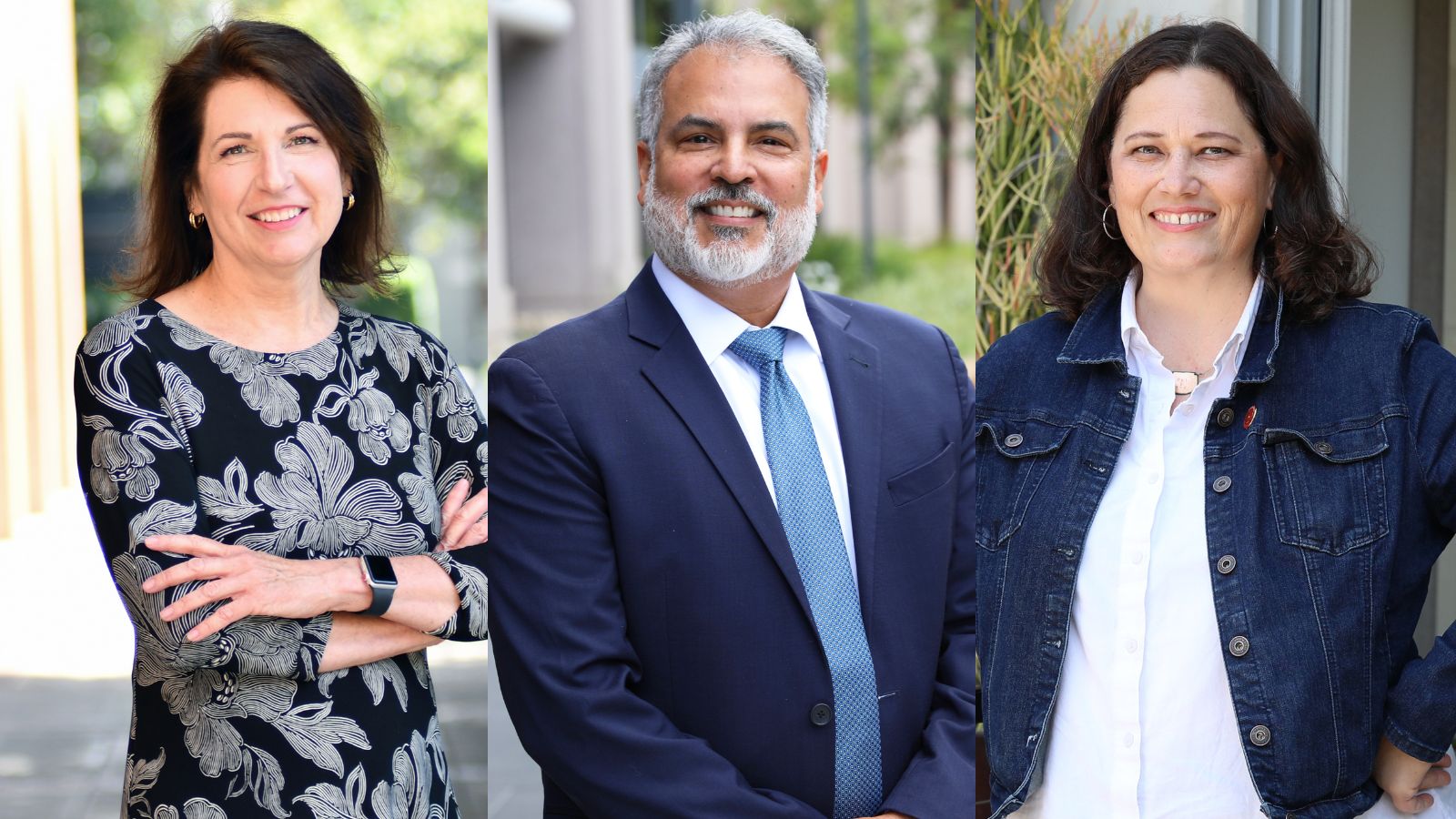
Dorice Redman MSATA ’24
Enrolling in a new degree program takes an adventurous spirit and a bit of faith. For Dorice Redman, the history and legacy of the USC Leonard Davis School of Gerontology gave her the confidence to start the journey. Where it ended wasn’t quite where she expected.
“Coming into the program, I thought it would enhance my work in senior living, which I loved,” Redman says. “But it has opened my eyes to so much more. I’m thinking a lot bigger and broader.”
Finding new solutions to the challenges of aging
The USC Leonard Davis School established the Master of Science in Applied Technology and Aging (MSATA) degree to train a new generation of leaders fluent in both the science of aging and the application of advanced technology.
The curriculum includes courses in gerontology and how technology supports older adults’ health, independence and safety. Designed for professionals in fields such as senior living, healthcare and engineering, the program blends theory with real-world expertise.
“Professors like Adjunct Lecturer Manuel Acevedo aren’t just academics; they’re pioneers who develop tech companies like HelpfulVillage.com, which helps older adults live longer in their own homes,” Redman says. “I was also impressed with lecturers Jim Biggs and Joshua Johnson MAG ’09 who manage senior living communities across the country.”
Many classes also featured prominent guest speakers, including company executives and state officials, who shared perspectives on the future of aging and technology.
One of the most impactful classes for Redman was GERO 568: “Adaptive Age-Friendly Environments and Injury Prevention,” taught by Professor Emeritus Jon Pynoos. The course emphasized the importance of accessibility and how to evaluate it. “It made me notice design with different eyes, especially in the senior living community I was working in,” she says.
Combining interests in senior living and tech
Redman’s path to the MSATA program included a variety of experiences. As a financial planner, she helped older adults manage retirement assets and taught them about Medicare. While later serving as an executive administrative assistant for a
long-term care facility operator, her boss suggested she’d make a good facility leader. She pursued that path, earning a bachelor’s degree in health administration and an administrator’s license.
Although she lacked formal training in computer science, Redman had always been the office go-to for tech issues. “In the early days of the internet, I taught myself to create websites and have kept up with the evolution of technology ever since,” she says.
This blend of interests led her to a role as digital innovation director at a Newport Beach assisted living community, where she provided IT support and developed training programs for staff and residents. She soon became assistant executive director and began considering a master’s degree.
“It had to be USC”
Over her career, Redman met many influential USC Leonard Davis alumni, including Katy Fike MSG ’06, PhD ’09 and Rick Matros MSG ’77. She was also drawn to the school’s robust distance learning program. “I looked around at other gerontology programs and nothing compared,” she says. “I knew that it had to be USC.”
After speaking with an admissions counselor, Redman was encouraged to consider the new
MSATA degree. “My nature is to be curious, and I’ve always leaned toward taking the road less traveled. So, that’s the program I chose,” she says.
Redman completed her degree in two years while working full time, attending classes online both live and asynchronously. Her employer supported her by allowing schedule adjustments when needed.
“Meeting other people, building friendships and networks is a huge part of the USC experience,” she says. “When I could, I attended events in person, although I still haven’t made it to a football game.”
Redman graduated from the MSATA program in May 2024 and spent a year as executive director of an assisted living and dementia care community in Irvine. Now, she is looking toward new opportunities that may include teaching, working with a tech startup, or focusing on policy issues.
“There are so many possibilities,” Redman says. “I have a lifetime of practical experience and a degree that gives me credibility in this field. I’m excited and feel prepared to start fresh.”

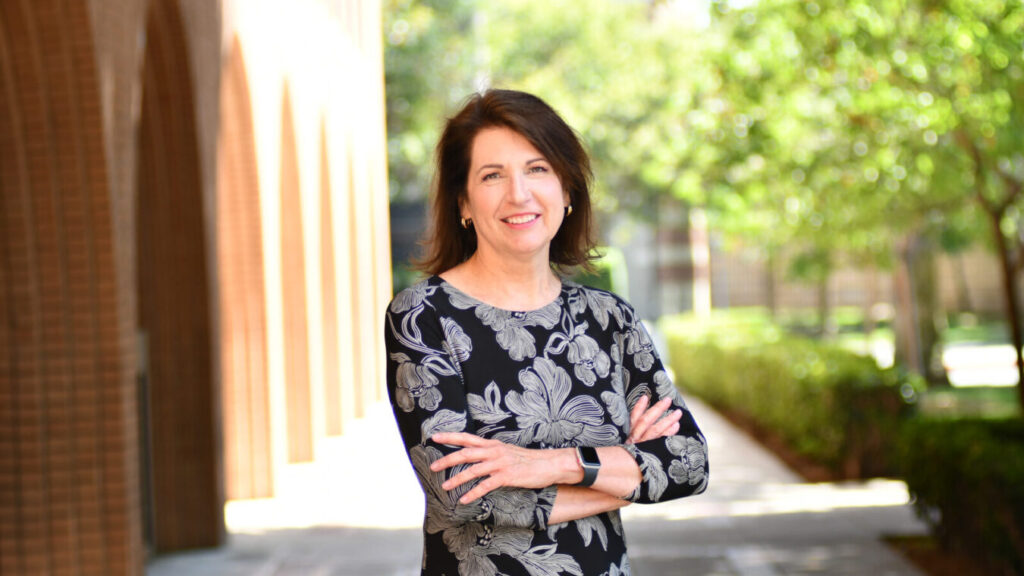
Rigo Saborio MSG ’94
Rigo Saborio MSG ’94 has built a long, successful career in aging policy and advocacy. Across his varied experiences, his focus has been on improving services for older adults in low-income,
minority and rural communities.
This drive comes from Saborio’s background as an immigrant who has experienced racism and seen ageism. It’s grounded in the principles of diversity, equity and inclusion — principles he
continues to champion.
Leading during turbulent times
In January 2025, Saborio became president and CEO of Archstone Foundation, a private organization that provides grants to improve the health of older adults.
“In addition to our day-to-day activities, we quickly realized we needed to meet this moment head-on,” he says. “We hosted an event that featured research perspectives and overviews of the many changes happening in the country. Participants had a much-needed opportunity to exchange ideas in a safe space and discuss how to move forward.”
He has also used his visibility at Archstone to speak out about federal policy changes, publishing three timely articles: “I Know What Fear Feels Like: Standing with My Fellow Immigrant Families in California”; “It’s Not Reform — It’s a Betrayal of Older Adults and Caregivers”; and “Standing Firm in Our Commitment to Justice, Equity, Diversity, and Inclusion.”
Overlapping opportunities lead to promising start
Two pivotal experiences shaped Saborio’s career path after he completed his bachelor’s degree in nutritional sciences with a certificate in aging.
He planned to begin the Master of Science in Gerontology (MSG) program at USC Leonard Davis in fall 1991, but an opportunity arose to work for U.S. Rep. Edward Roybal, chair of the House Select Committee on Aging.
“Of course I took the job,” Saborio says. “My role was to assist staff members with research, but I ended up heading several congressional hearings. We were able to highlight disparities in health and nutrition among minority populations that people didn’t widely recognize at that time.”
While working in Washington, he started the MSG program remotely. Ironically, his first course, on policy in aging, included a trip to D.C.
“In 1992, Congressman Roybal decided to retire,” Saborio says. “He made me promise when he hired me that I’d finish my master’s degree. So, I went back to California to take classes in person.”
Finding support from all angles
From the beginning, Saborio found support at USC Leonard Davis. “The administrators were welcoming and helped me get started when I was in D.C.,” he says. “My professors always had an open door for conversation and guidance. I also found community in fellow students and alumni.”
That network has remained strong. Years later, it includes Laura Trejo ’82, MSG/MPA ’86, now director of the Los Angeles County Aging & Disabilities Department, and longtime mentor and peer Professor Kathleen Wilber.
Growing a career in advocacy and philanthropy
Saborio’s career has included high-level roles at leading organizations:
- USC Los Angeles Caregiver Resource Center: Hired by now-retired Professor Bob Knight, Saborio soon became the youngest director of a caregiver resource center in California. “I’m grateful I got to know Bob Knight at the USC Leonard Davis School and that he believed in me,” he says.
- AARP: He helped open the California state office and later served nationally as director of diversity outreach and alliances.
- St. Barnabas Senior Services: As president and CEO, he expanded the organization’s advocacy and technology initiatives and launched the Aging Into the Future Conference.
- SCAN Foundation: In his first role in philanthropy, he raised funds to support vulnerable populations.
At Archstone Foundation, Saborio is leading a strategic refresh that promotes system-level change. “We want to invest in systems that bring older adults and caregivers to the table,” he says. “Their voices are essential to help guide the service providers, advocates and policymakers.”
Looking back, Saborio credits USC Leonard Davis with preparing him to lead. “The program wasn’t just about the issues and populations,” he says. “I learned the underpinnings of managing and leading an organization, which was invaluable.”
Lesley Holmes ’93
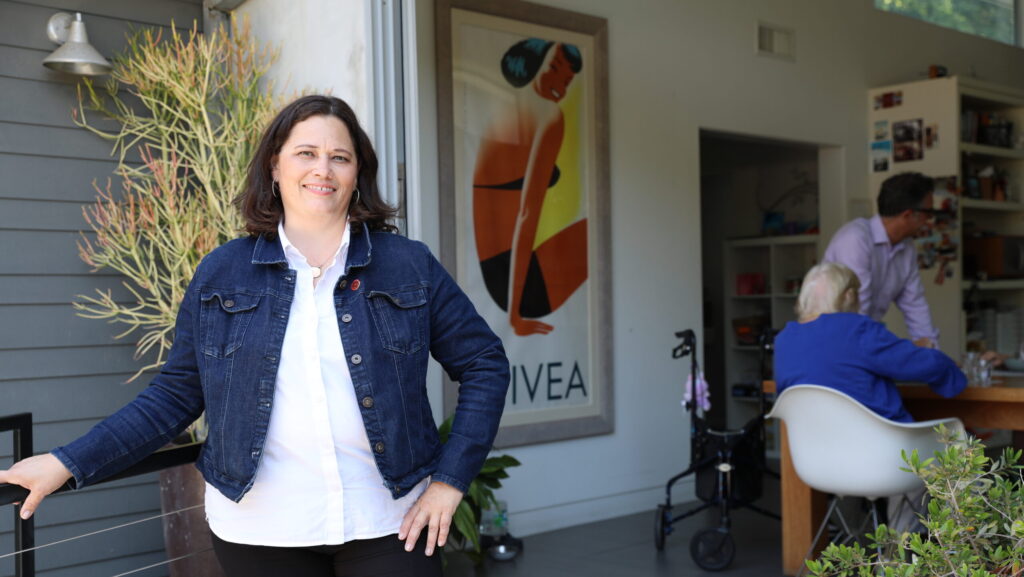
Lesley Holmes ’93 is a gerontologist, chef and mom. After a winding career path, she opened Indalo Homes, a board-and-care home in Santa Monica.
Board-and-care homes are licensed residential assisted living facilities, typically with six beds. “I often feel like they’re dark and depressing places,” Holmes says. “My vision was to create a positive environment, full of light and laughter.”
Making a vision a reality
The idea for Indalo Homes came by chance. A friend’s wife suffered a stroke at 46 and needed round-the-clock care. With a background in gerontology and assisted living, Holmes understood the financial and caregiving challenges.
“My friend lived in a beautiful home his wife designed,” she says. “With a few modifications, I thought it would make a perfect board-and-care residence for her and five residents. And it would make enough income so he could care for his wife at home long-term.”
Together, they founded Indalo Homes. Holmes oversaw renovations to meet licensing requirements and opened for business in June 2024.
From Lord Byron to gerontology
Holmes’ interest in aging also started by chance. She entered USC in 1991 as an English major but switched after a disagreement with a professor over Lord Byron. She enrolled in “Physiology of Aging” at the USC Leonard Davis School of Gerontology instead.
“My great-grandmother lived with my family until I was 16,” Holmes says. “She helped take care of us, and we took care of her after she broke her hip. The gerontology class helped me understand this experience.”
Inspired, she switched her major to gerontology. With only eight students in her cohort, Holmes worked closely with faculty. “We knew this field would become more relevant with each generation of students. It felt like we were doing something important,” she says.
Two professors stood out:
- Jon Pynoos, who taught about aging environments. “I wondered whether there was something we could have done to prevent my great-grandmother’s hip injury,” Holmes says.
- Gerald Larue, who covered death and dying. “It was the best way to learn about a subject that no one wants to talk about,” she says. “I reflect on those lessons often and incorporate them into my daily life and work.”
Finding purpose in work and family
After graduating, Holmes became an administrator of an assisted living community. But as a new mom, she struggled with the demands. She pivoted to managing her family’s gourmet food store and restaurant.
As she raised her kids, she also directed several nonprofits. Among her projects: producing articles on ageism in media, running an intergenerational book club for older adults and middle schoolers, and providing music therapy to children with chronic conditions.
After her children left for college, Holmes pursued chef certification at the Culinary Institute of America. “At USC Leonard Davis School, I studied how nutrition and healthy eating can help you age successfully,” she says, “but I wanted to know the ‘why’ behind it.”
Her chef training became pivotal at Indalo Homes. She serves a Mediterranean diet, which has reduced residents’ need for antacids and laxatives and boosted their energy.
Creating a special community
Holmes emphasizes that Indalo Homes doesn’t feel like a typical assisted living facility. What makes it different?
- Staff: Indalo has 10 caregivers, many in their 20s. “They are superheroes, bringing youth and vitality to the residents,” she says.
- Activities: The schedule includes daily exercises, mindfulness sessions and events such as a jazz performance by Holmes’ daughter’s duo.
- Families: Relatives are deeply involved in residents’ care and provide another source of positive energy.
- Environment: The home is light and modern. “We installed the ramp in the back, so it’s not the first thing you see when visiting,” Holmes says.
Looking ahead, Holmes may replicate the Indalo Homes model in another location. She also hopes to involve students. “I’d like to serve as an apprentice site,” she says. “Young people can learn from us, but they have fresh ideas and lessons to teach us, too.”
Wherever her path leads, Holmes wants to continue making a difference. “Because of my gerontology education, I can see that I have a lot of life left and joy to give. I also see that in my residents,” she says.