
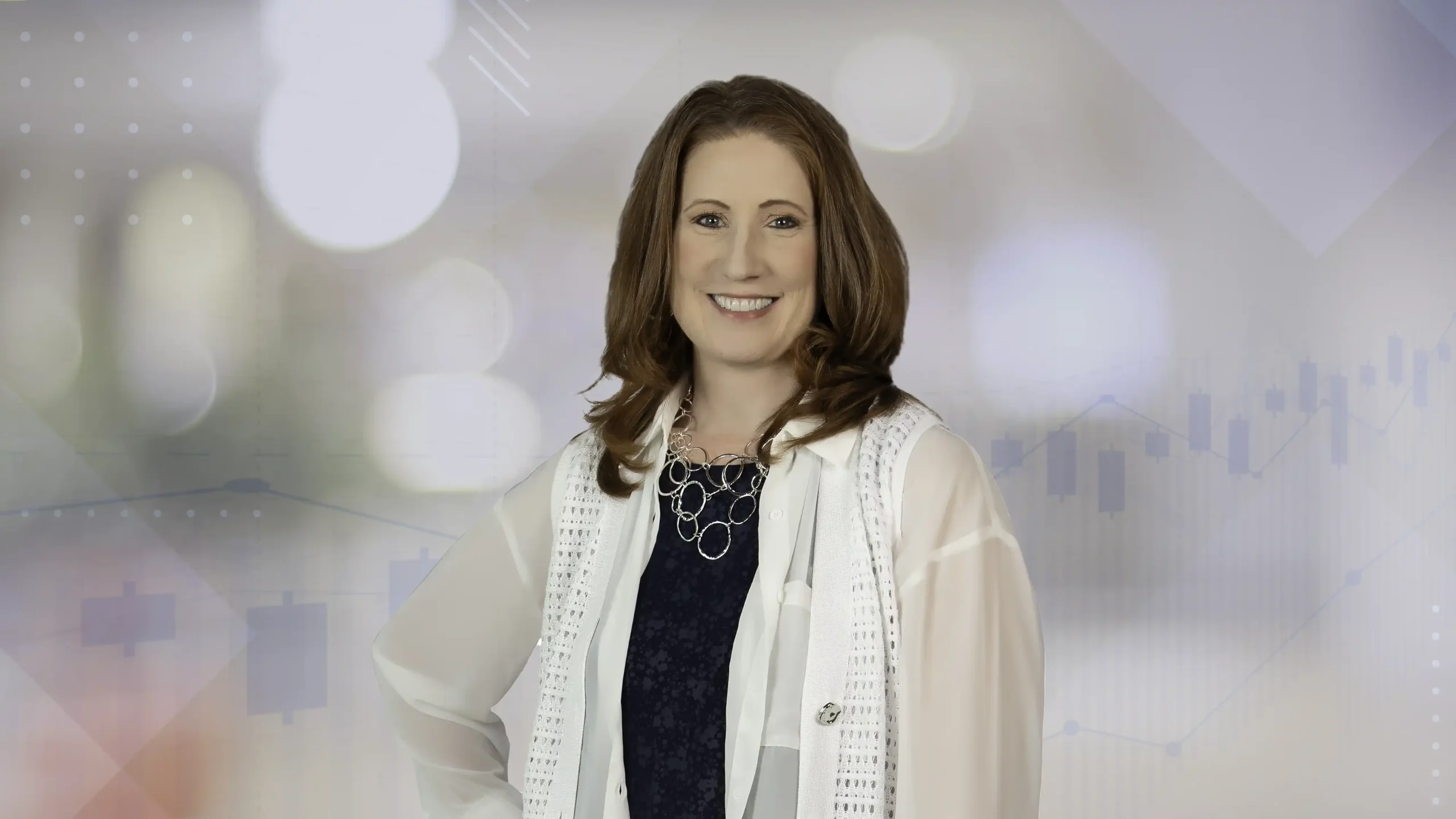
Larissa Tiede is keenly aware that change can be difficult. But she has a vision and is in the right position to bring it to life.
In March 2024, Tiede made a big change and left Minnesota, where she’d lived and worked all her life, to become the Executive Director of Hope Village. This nonprofit senior living community in Canby, Oregon offers a range of options, including independent living garden homes, cottages and income-qualified apartments. Hope Village also partners with Marquis Companies to provide assisted living, memory care and post-acute rehabilitation on campus.
The move came less than two years after she completed her Master of Arts in Senior Living Hospitality (MASLH) from the USC Leonard Davis School of Gerontology. It also fulfilled her and her husband’s dream to live in Oregon.
“Canby is a small community outside of Portland. The setting is right for promoting successful aging from a wider perspective,” says Tiede. “I feel like we can harness the resources of Hope Village to ensure older adults across the area have the support they need.”
Improving healthspan, step by step
“Older adults are living longer and lifespans are increasing. But there’s much work to do around improving people’s healthspan — the part of life spent in good health,” Tiede says.
Tiede emphasizes the importance of intentional living and maximizing the length of time older adults remain healthy and independent. Having robust services early on while living independently will transform lives. But intentional living is just that — having a plan and the resources to live your best life.
With a vision of improving healthspan, Tiede’s first step is shoring up the existing services at Hope Village so she’s in a solid position to expand them. “The independent living campus I oversee lacks supports that are key to successful aging,” she says.
Of course, everyone ages differently, so one-size-fits-all solutions aren’t the answer. As Tiede builds the foundation of supportive services at Hope Village, she’s involving residents, staff, service partners and the community.
Becoming an agent of change
What does it take to create new programs? Experience is key. Tiede has had a long career in communications and marketing, working for Fortune 500 companies and nonprofit organizations. She also has a Master of Business Administration (MBA).
“I’m at the stage now of putting together the story to help those around me understand what could be,” she says. “I feel with the right communication and information, change is possible.”
The holistic thinking that led Tiede to this point is also a reflection of her MASLH training. “I can’t imagine being in my current position without the knowledge I gained at USC Leonard Davis School,” Tiede says.
From out of the blue to the cardinal and gold of USC
The idea to pursue a master’s degree in gerontology came unexpectedly from a promotional email she received in 2019. At the time, she was Regional Director of Marketing of Presbyterian Homes and Services, a large senior living company. “I didn’t anticipate ever going back to school again, but the program sounded fascinating — so I applied.”
For Tiede, the main selling features of the MASLH were:
- Advanced standing for students with an MBA: With this accelerated track, she could bypass 11 of the 43 credits she needed.
- Online classes: She could complete the degree entirely online and attend classes synchronously or asynchronously, depending on her work schedule.
- Renowned program: She knew the information taught by USC gerontology professors would enrich her career and the degree would make her a more effective leader within the industry.
Exceptional education and support
Tiede was impressed with the education she received at USC Leonard Davis School. The instructors were a mix of academic experts and leaders working in the industry. “Having both types of professors is important, and I found that blend to be very beneficial,” she says.
Among her classes, Tiede most appreciated those that emphasized the fundamentals of gerontology and aging. The work she’s doing now to think differently about senior living is based on those concepts, including:
- Social determinants of health: Helping people achieve optimal health requires meeting all their needs, from housing and food to physical and mental health.
- Framework of aging: Successful aging looks different for everyone. It’s not just putting someone in an apartment, says Tiede. It’s about ensuring people are living and aging as best they can, given their unique circumstances.
Tiede was also grateful for financial support to attend USC Leonard Davis School. She received merit scholarships to cover about half of her master’s program.
Choosing a new direction during the pandemic
COVID-19 hit just after Tiede enrolled at USC Leonard Davis School. Having planned to attend class online anyway, the pandemic didn’t affect her coursework. But her professional life was upended.
Tiede worked her regular marketing job from home during the week. On weekends, she helped at one of Presbyterian Homes and Services’ senior living communities, providing social and emotional support to isolated residents. Only employees were allowed in senior living facilities when the pandemic began, so Tiede felt a calling to be there and help.
“There were no group activities and residents had limited access to their families,” Tiede says. “It was devastating to see the effects of isolation and how quickly people deteriorated.”
Even when applying to USC, Tiede hadn’t considered becoming a senior living administrator. But the pandemic made her want to become more involved with day-to-day operations, so she pursued her assisted living director license. Tiede found her first leadership role at a senior living community in Minnesota before moving to Oregon.
Training the next generation of senior living leaders
Tiede relishes her work at Hope Village, though she sees many challenges facing the industry. One challenge is a lack of strong leaders with gerontology backgrounds.
“Anyone can run a senior living community like a business,” Tiede says. “What we really need are people who understand what residents and families are going through and how best to help them. It’s that knowledge that will lead to new models of care that can make a significant difference.”
To learn more about the Master of Arts in Senior Living Hospitality (MASLH) program at the USC Leonard Davis School of Gerontology, call us at (213) 740-5156.