
News18 (India) covered a study by Eunyoung Choi and Jennifer Ailshire which found that extreme heat may silently accelerate biological aging at the molecular level, with effects comparable to smoking and heavy alcohol consumption.
San Francisco Chronicle spoke to Eunyoung Choi for an article on her study of how heat exposure affects biological aging in older adults. “[The study] suggests chronic heat exposure may have a substantial impact on the body’s aging process, similar to other major lifestyle and environmental stressors.”

Fast Company, Yahoo and others (via The Conversation) ran an op-ed by Eunyoung Choi discussing her recent study with Jennifer Ailshire, which found that extreme heat may silently accelerate biological aging at the molecular level, with effects comparable to smoking and heavy alcohol consumption.
“This link between biological age and extreme heat remained even after accounting for a wide range of individual and community factors such as physical activity levels and socioeconomic status. This means that even among people with similar lifestyles, those living in hotter environments may still be aging faster at the biological level,” Choi wrote. “Even more surprising was the magnitude of the effect – extreme heat has a comparable impact on speeding up aging as smoking and heavy alcohol consumption. This suggests that heat exposure may be silently accelerating aging, at a level on par with other major known environmental and lifestyle stressors.”
News Medical featured a study by Mireille Jacobson on the purchase, carrying, and use of naloxone, a medication to reverse opioid overdose. MSN, Technology Networks, ScienMag, Medical Xpress, and Mirage News also shared the story.
Mirror UK covered research by Valter Longo where he emphasizes the importance of maintaining a 12-hour fasting window between dinner and breakfast, which can support cellular repair and slow the aging process.
Indian Express, DT Next, Daily Excelsior, Straits Times and others covered a study by Eunyoung Choi and Jennifer Ailshire discussing how living with extreme heat can accelerate the rate of aging.
Yahoo Life quoted Valter Longo in an article sharing four ways to live a more healthy and active lifestyle.

Amid an ongoing opioid crisis that contributes to shortening American lifespans, a new study addresses the lack of nationwide data on who keeps the lifesaving medication with them and uses it to reverse overdoses.
Read More
Radio Health Journal featured an interview with Valter Longo on the potential benefits of fasting and fasting-mimicking diets when used in coordination with cancer treatments. The syndicated segment was shared widely across U.S. radio stations.
New York Times Well quoted Susan Enguidanos in an article on what to do if one receives a scary diagnosis. She recommended that patients research their condition only with reputable, doctor-reviewed sources, such as the Mayo Clinic health library. She also advises patients to record the appointment with their doctor on the phone: “Then you can listen back when you’re not in crisis.”
- First-Ever USC Asian Health and Longevity Symposium Emphasizes Innovation, Care and Community Partnership
- Mediterranean Diet May Boost Mitochondrial Signals Linked to Heart and Brain Health

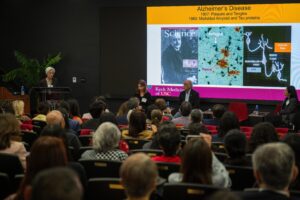
- Can We Prevent Alzheimer’s Disease Within a Decade?

- Fecal Transplants from Older Mice Significantly Improve Ovarian Function and Fertility in Younger Mice

- “Achieving Abundance in Eldercare” Report Maps Challenges and Opportunities in Ensuring Care for California’s Older Adults