
Duke Blog recently quoted Caleb Finch of the USC Leonard Davis School on a study he co-authored about the Alzheimer’s Disease Exposome, a framework that aims to understand how environmental factors can affect the genetic and non-genetic risks of AD and related dementias.
The Guardian quoted Valter Longo of the USC Leonard Davis School on the factors that play a significant role in the longevity of centenarians living in Genoa, Italy.
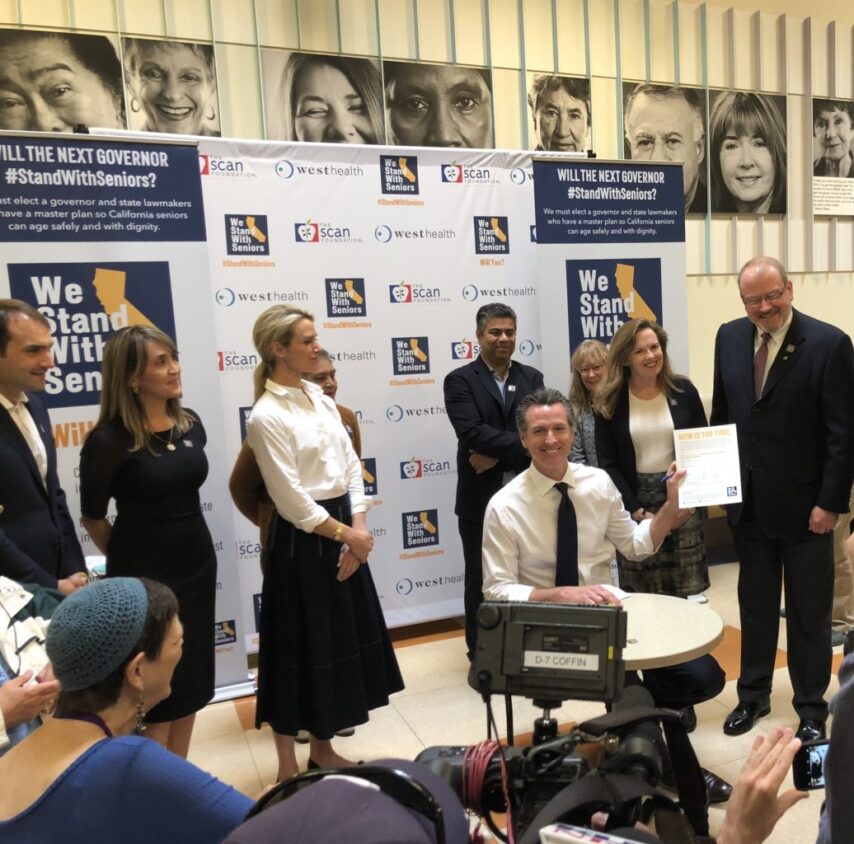
Benton, director of the USC Family Caregiver Support Center, joins a group of civic leaders who will help to develop components of California's Master Plan for Aging.
Read More
U.S. News & World Report quoted Jon Pynoos of the USC Leonard Davis School on how to find an apartment to rent as a senior citizen.
IEEE Pulse Magazine quoted Elizabeth Zelinski of the USC Leonard Davis School on the challenges of using robotic pets with older adults.

The USC Family Caregiver Support Center, AARP, and 211 LA collaborate to give Latino caregivers in Los Angeles County the support they need.
Read More
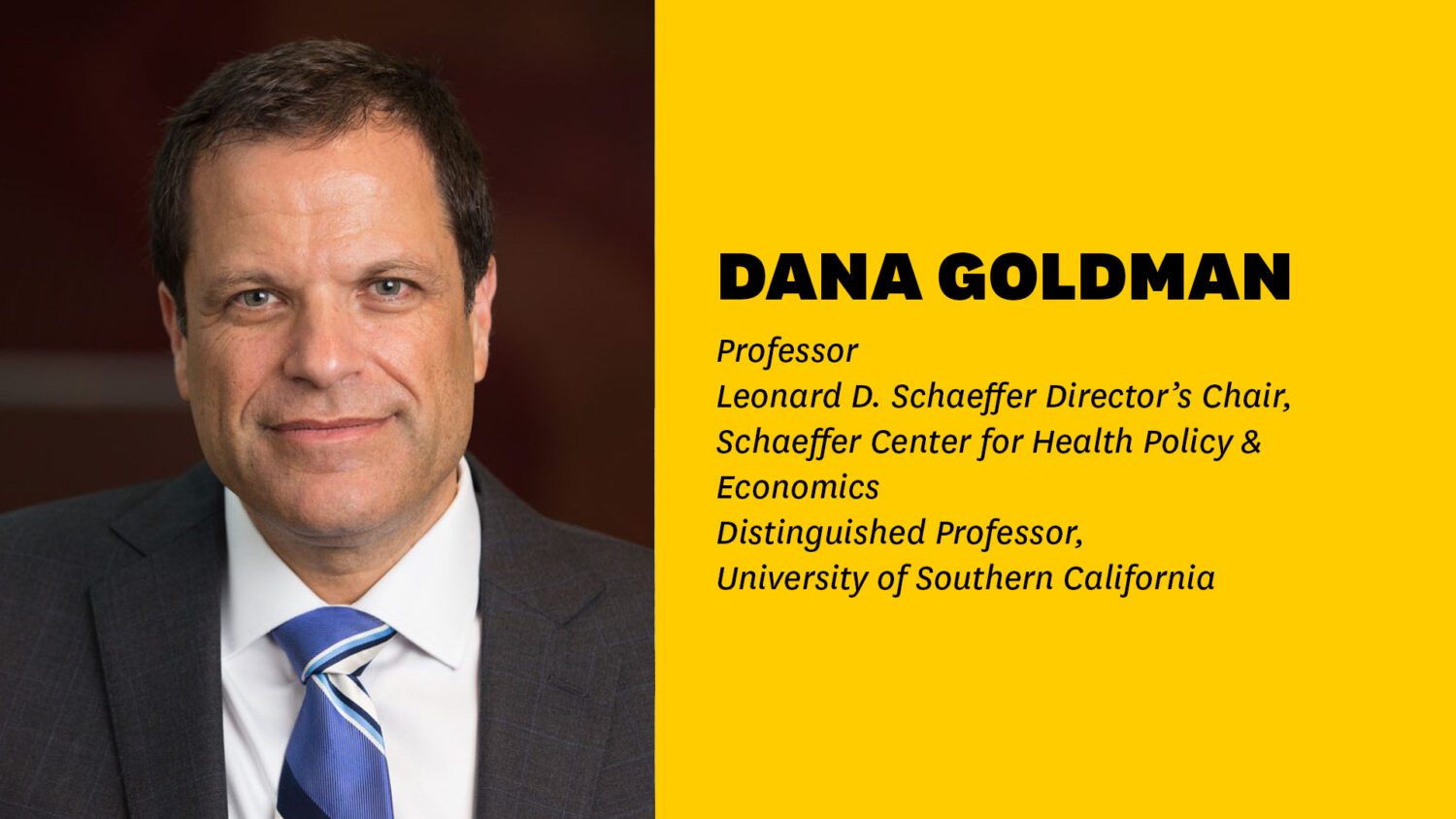
Dana Goldman, USC Distinguished Professor in public policy, pharmacy, and economics and director of the Schaeffer Center for Health Policy & Economics at the USC Price School of Public Policy, is working to improve health – and reduce spending – by calling for policy changes that reward prevention, innovation and long-term investments in people of all ages.
Quotes from this episode
“I’m a little concerned that in the current debate, we tend to focus mainly on costs and insurance. And the questions around aging are much broader and more dynamic than the current policy debate gives it attention.”
“There’s a very good drug, for example, that’s under development … it reduces cancer, reduces cardiovascular disease, may be protective for all Alzheimer’s, helps with diabetes. And that drug is called exercise. And we’ve done a lot of research on it, and we know it’s very good, but there’s no incentive for anyone in our healthcare system to take older people for a walk. And yet, we know that would be extremely valuable.”
“If I develop a pill, I have a patent system that gives me some protection. And if I take the risk to figure out some way to get this to patients, I know that someone can’t copy it until my patent has expired. And that has encouraged the development of a lot of pills. But if I come up with a way to get you to walk or eat better or something like that, it’s very easy for someone to copy that. And so you can see that the playing field is tilted more towards treatment and less away from prevention just because of the way we think about intellectual property.”
“Historically, the way we’ve paid for health care is we paid dollars for volume of services. So you have an office visit, you get paid. And the system has responded by giving us lots of volume of healthcare services. But that’s not actually what people want. I mean, they aren’t looking to go to the doctor every week. What we really want as a society is good health.”
“We need to pay for health, not health care. And if we do that, then we’ll be able to accumulate some savings out of the system that I think would help pay for all the other types of infrastructure investments that would make sure that people lead wholesome, long, productive lives.”
Learn more about Professor Goldman and his work at https://priceschool.usc.edu/people/dana-goldman/.
The Whittier Daily News and The Press-Enterprise quoted Jennifer Ailshire of the USC Leonard Davis School on the realities of modern aging.

We have different capacities for facing trauma and adversity, and USC researchers are exploring why.
Read More
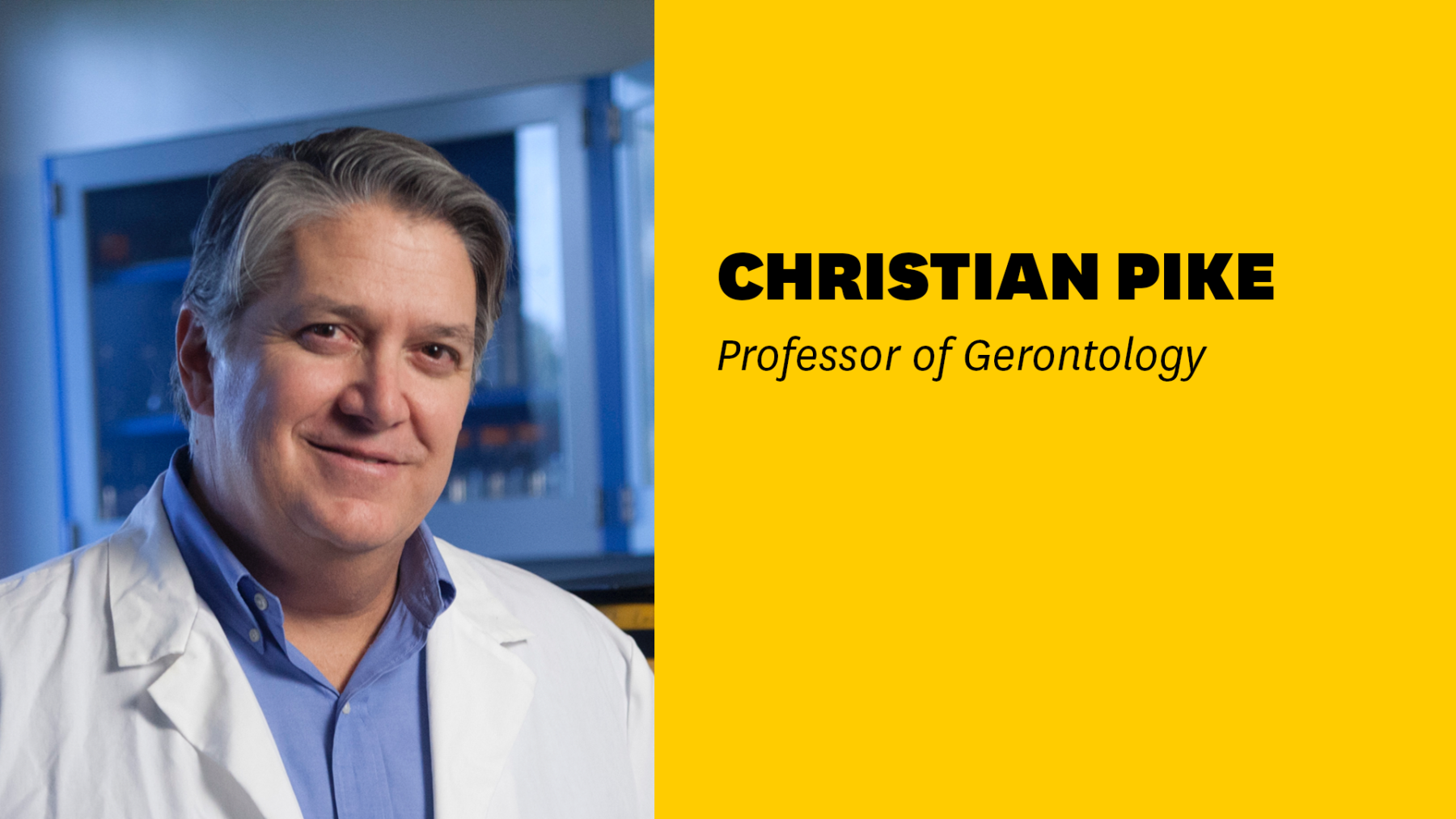
Christian Pike, Professor of Gerontology at the USC Leonard Davis School of Gerontology, discusses his research on sex differences in Alzheimer’s disease and how they can help inform how we might one day prevent and treat it.
Quotes from this episode
“… Maybe there are situations where the disease, although it’s the same disease, it works a little bit different in men than it does women. And maybe we should consider that in terms of the risk factors for developing it and even how we approach it therapeutically.”
“If you look at clinical trials of Alzheimer’s disease drugs, almost all of them are failed.”
“You can’t control your genetics. At least you can’t yet. But you can control your environment and your lifestyle what we call modifiable risk factors. And so what everybody can do is deal with those now. while we’re, while we’re waiting to get the treatments.”
“There are so many differences between men and women in Alzheimer’s disease. I mean, at the core of it, the disease is very much the same across all people. But then when you begin to break it down into the effects of different risk factors, you begin to see significant differences.”
“And in recent years there’s been a greater emphasis on sex differences in the more we look, the more differences between the male brain and the female brain that we find.”
Learn more about Professor Pike and his work at https://gero.usc.edu/faculty/pike/
- First-Ever USC Asian Health and Longevity Symposium Emphasizes Innovation, Care and Community Partnership
- Mediterranean Diet May Boost Mitochondrial Signals Linked to Heart and Brain Health

- Can We Prevent Alzheimer’s Disease Within a Decade?

- Fecal Transplants from Older Mice Significantly Improve Ovarian Function and Fertility in Younger Mice

- “Achieving Abundance in Eldercare” Report Maps Challenges and Opportunities in Ensuring Care for California’s Older Adults