

Study reveals predictors of long COVID, which causes symptoms that may last for months.
Read More
India Education Diary featured a USC study on how advance directives are associated with lower hospital costs for patients. “The takeaway here is that you should complete an advance directive as early as possible,” said lead author Yujun Zhu, a doctoral student at the USC Leonard Davis School, noting that last-minute decisions can be high on emotion and short on thorough consideration, education, and discussion. “Start when you are healthy and revisit your choices regularly,” he said. “You can change your mind but it is important to discuss and document your preferences.”

New Scientist featured a study by Valter Longo on the “longevity diet” and how what and when one eats affects longevity.

CNN featured a USC study showing how stress affects aging of the immune system. “People with higher stress scores had older-seeming immune profiles, with lower percentages of fresh disease fighters and higher percentages of worn-out T-cells,” said author Eric Klopack. The Scientist, Yahoo News and StartsAt60 also covered the study.

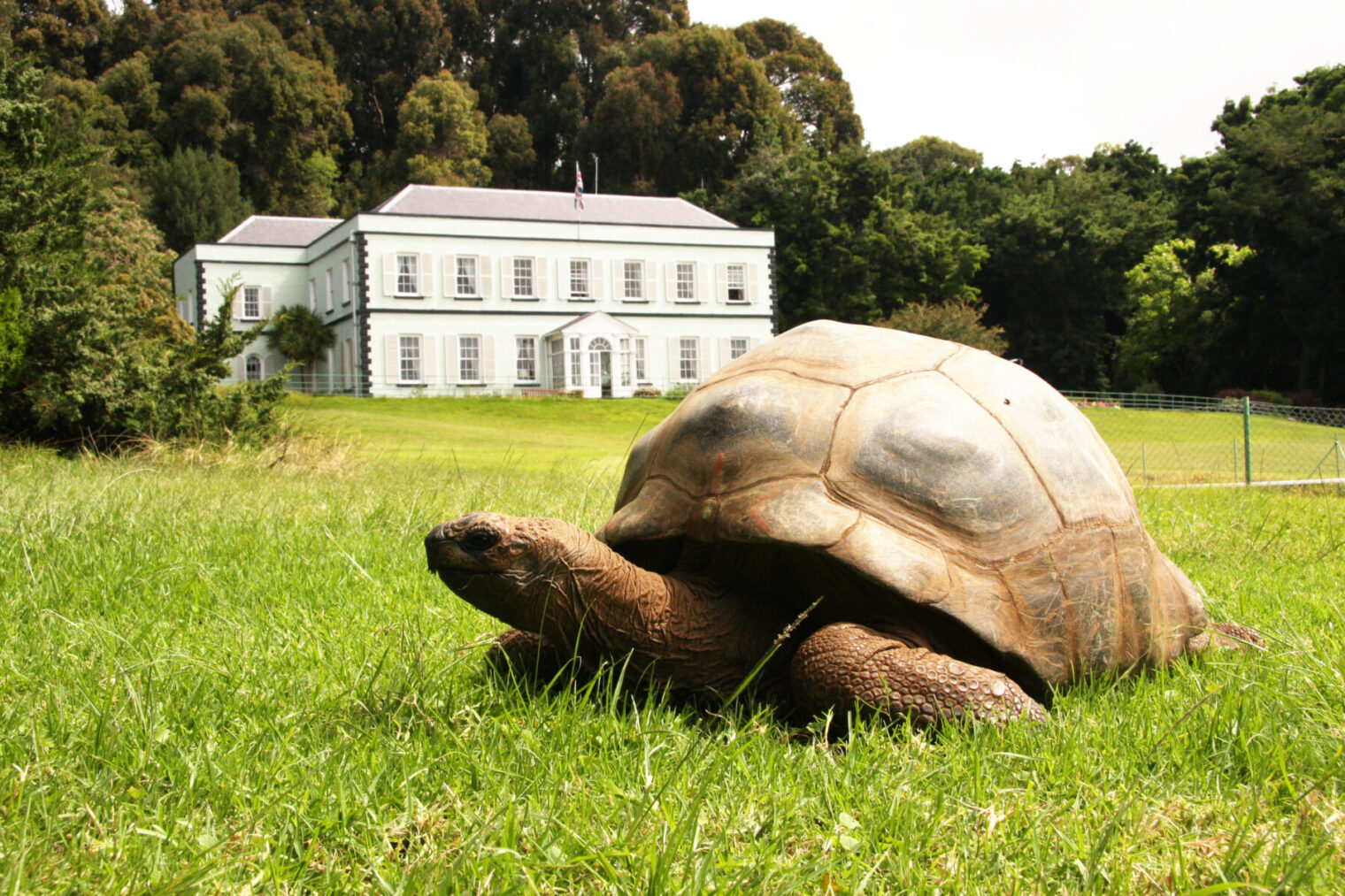
New York Times featured commentary from Caleb Finch on new studies that appear to show extremely slow aging in cold-blooded animals such as tortoises. While the mortality risk in long-living turtles and tortoises remained stagnant over the decades, they haven’t obtained eternal youth according to Finch. “Some of them get cataracts and are feeble to the point where they need to be fed by hand. They wouldn’t survive in the real world, so there’s no question that they do age.”
New York Times featured a study by Eric Klopack and Eileen Crimmins on how exposure to social stress can speed up the aging of the immune system. Klopack also discussed the study in a column for the Conversation. “Less aged immune systems are better able to fight infections and generate protective immunity from vaccines,” he wrote. “Immunosenescence may help explain why people are likely to have more severe cases of COVID-19 and a weaker response to vaccines as they age. Understanding what influences immune aging may help researchers better address age-related disparities in health and illness.”





© 2026 USC Leonard Davis School of Gerontology.