

Patients with advance directives more likely to choose comfort over aggressive care at end of life, according to new USC study.
Read More
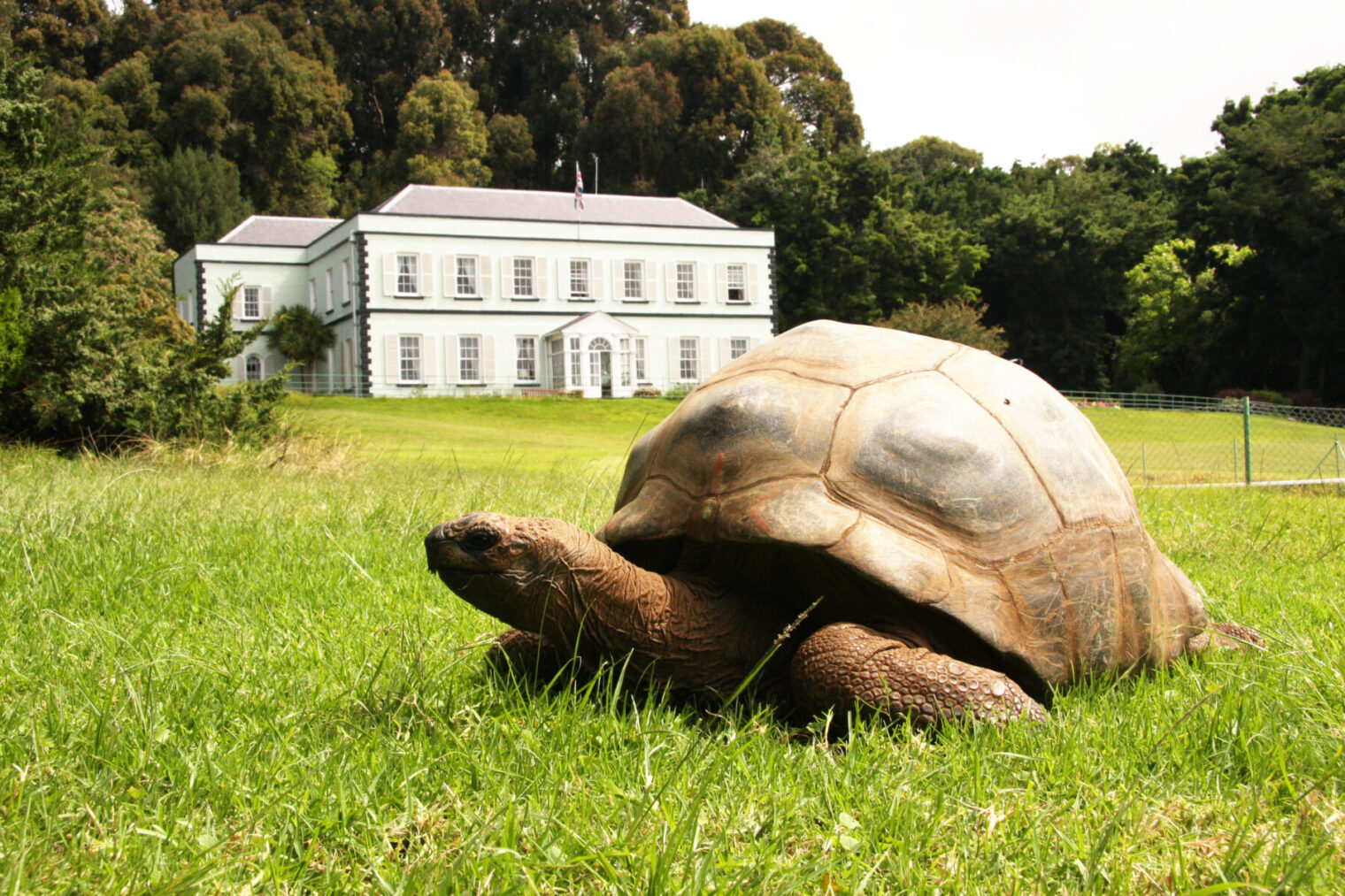
New York Times featured commentary from Caleb Finch on new studies that appear to show extremely slow aging in cold-blooded animals such as tortoises. While the mortality risk in long-living turtles and tortoises remained stagnant over the decades, they haven’t obtained eternal youth according to Finch. “Some of them get cataracts and are feeble to the point where they need to be fed by hand. They wouldn’t survive in the real world, so there’s no question that they do age.”
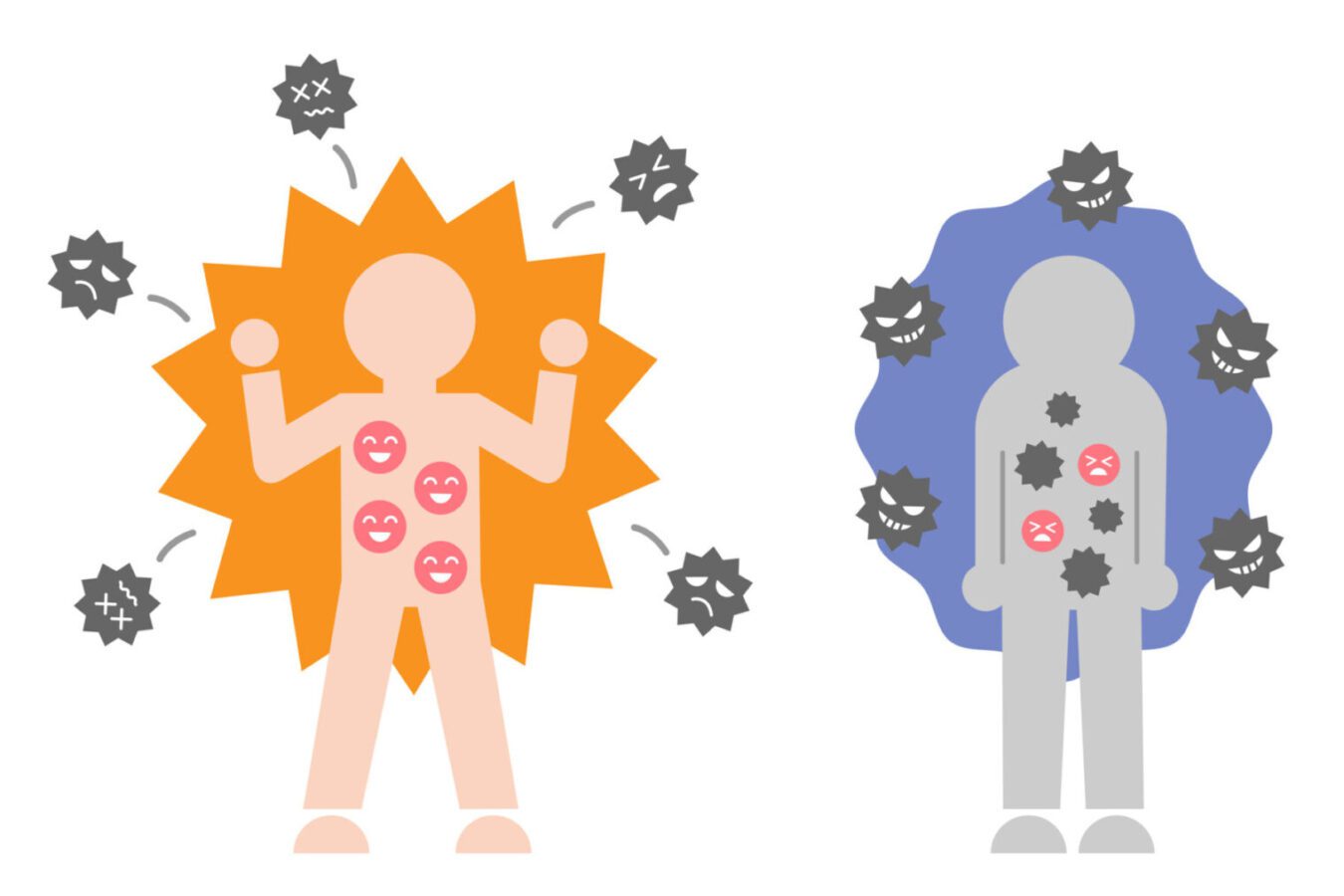
New York Times featured a study by Eric Klopack and Eileen Crimmins on how exposure to social stress can speed up the aging of the immune system. Klopack also discussed the study in a column for the Conversation. “Less aged immune systems are better able to fight infections and generate protective immunity from vaccines,” he wrote. “Immunosenescence may help explain why people are likely to have more severe cases of COVID-19 and a weaker response to vaccines as they age. Understanding what influences immune aging may help researchers better address age-related disparities in health and illness.”
U.S. News & World Report featured Theresa Andrasfay and her research on COVID-19 Latino deaths, which showed a three-year drop in life expectancy. “A three-year reduction in life expectancy is huge in historical terms. We usually have not seen reductions this large except during times of war or major pandemics. … Of course, it’s really sad to think about the individuals who died of COVID, but it also has broader implications for the family members of those who died,” she said.

Parade quoted Carin Kreutzer in an article on the best foods to eat for longevity. “Scientific studies have shown that the risk for cancer goes up the less plant-based foods people have in their diets, specifically fruit and vegetables,” she said.




© 2026 USC Leonard Davis School of Gerontology.