
Los Angeles Sentinel reported on a research project by Donna Benton of the USC Leonard Davis School’s Family Caregiver Support Center to survey California residents who work and support a family member, friend, or loved one with a serious health condition or disability.
MarketWatch cited research from the USC Leonard Davis School about the increasing likelihood that Americans born today will reach the age of 90.
BigThink cited research by Valter Longo of the USC Leonard Davis School about the health benefits of intermittent fasting.
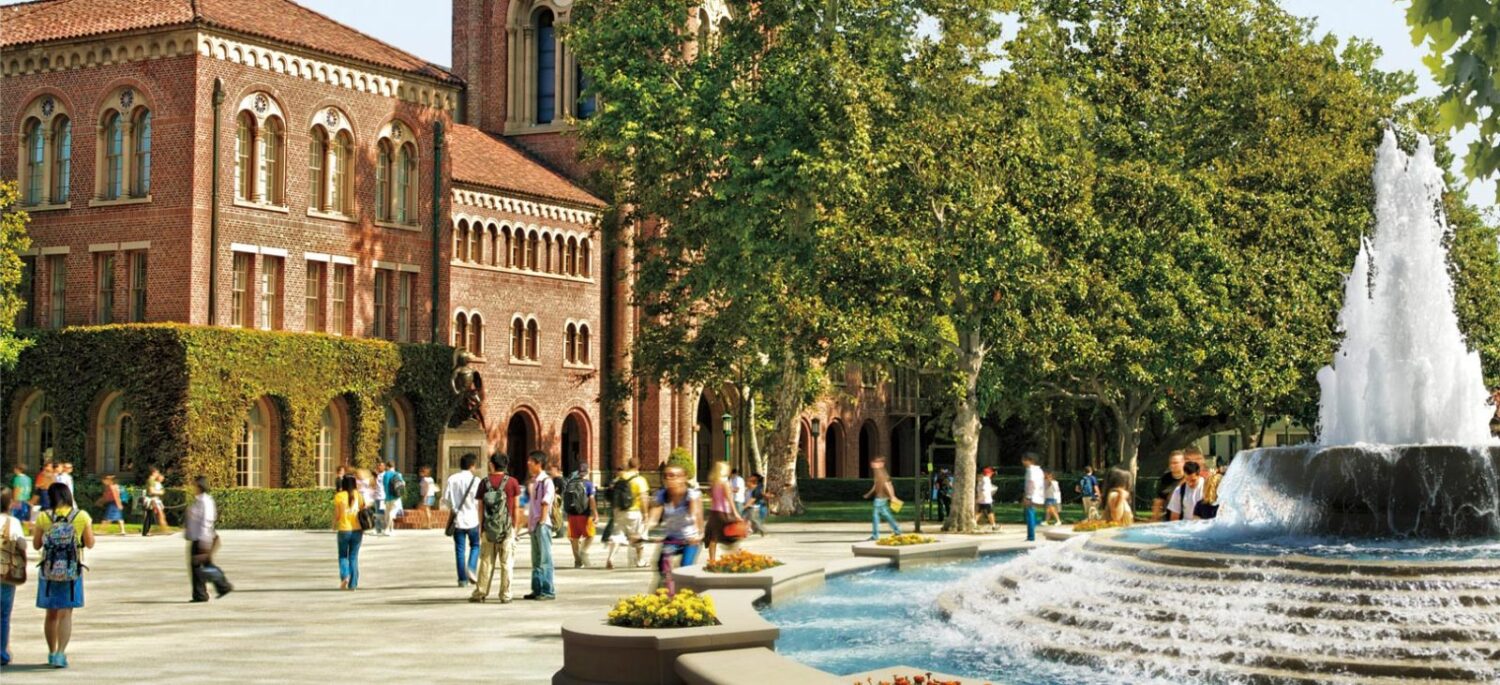
USC is the first university in California to endorse the 10 principles of the international Age-Friendly University Initiative, which highlights how higher education can respond to the challenges and opportunities of an aging population.
Read More

Moving away from a one-size-fits-all approach is critical for addressing health and social disparities in aging and age-related disease, say USC experts.
Read More
McKnight’s Long-Term Care News featured a study led by Anna Rahman and Susan Enguidanos of the USC Leonard Davis School on how social media users who rate nursing homes often do so using more service-oriented criteria than government officials. The study compared Yelp reviews of nursing homes against their Nursing Home Compare rankings.
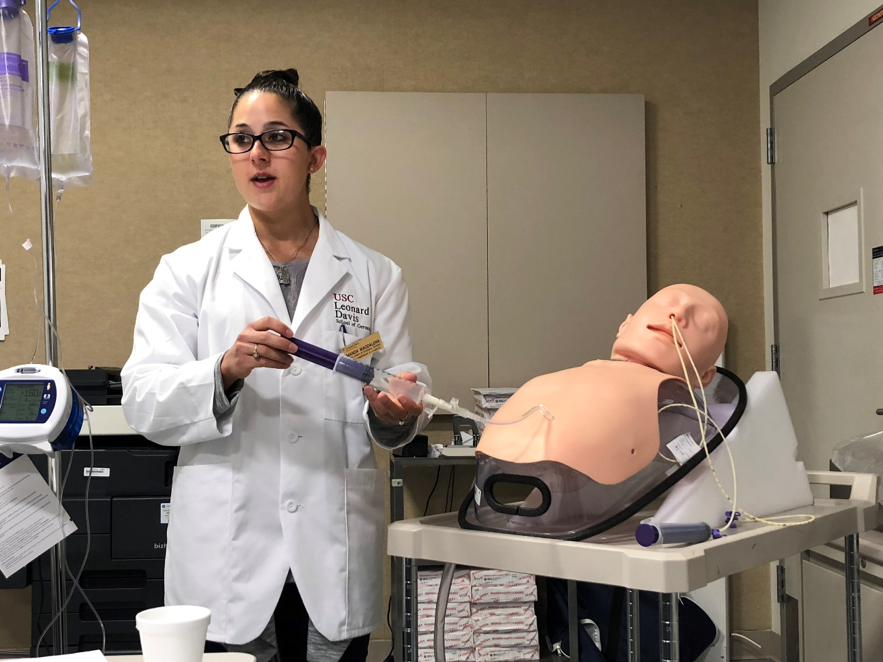
Online Master of Science in Nutrition, Healthspan, and Longevity student Amanda Maddalena serves patients and provides education to colleagues at the West Palm Beach Veterans Affairs Medical Center in Florida.
Read More
Bloomberg mentioned research by Valter Longo of the USC Leonard Davis School on the health benefits of intermittent-fasting diets.
U.S. News & World Report highlighted research by Valter Longo of the USC Leonard Davis School that suggests chemotherapy might be more effective if the patient practices a fasting-mimicking diet. “The cancer cells are usually dependent on much more glucose than [normal cells], [so] by decreasing the glucose [present in the body] you can generate problems” for the cancer cells, Longo said. According to Longo, the same principles could apply to treating a variety of human diseases.
Newsweek featured research by Eileen Crimmins of the USC Leonard Davis School that found college-educated Americans live longer without dementia and Alzheimer’s disease. The researchers found a college education was a strong indicator of more years spent with a healthy mind. “This association between the increase in college attainment and the decline in dementia prevalence is good news for people who have completed some higher education or earned a degree, but what does it mean for people who are less educated? They are more likely to develop dementia, and live longer with it,” Crimmins said.
- Can We Prevent Alzheimer’s Disease Within a Decade?

- Fecal Transplants from Older Mice Significantly Improve Ovarian Function and Fertility in Younger Mice

- “Achieving Abundance in Eldercare” Report Maps Challenges and Opportunities in Ensuring Care for California’s Older Adults

- Study: Shingles Vaccine Linked to Slower Biological Aging in Older Adults

- Study: Email Reminders Boost Use of Database for Safe Prescribing