

USC's Leonard Davis School of Gerontology has been recognized as a top gerontology school in the country.
Read More
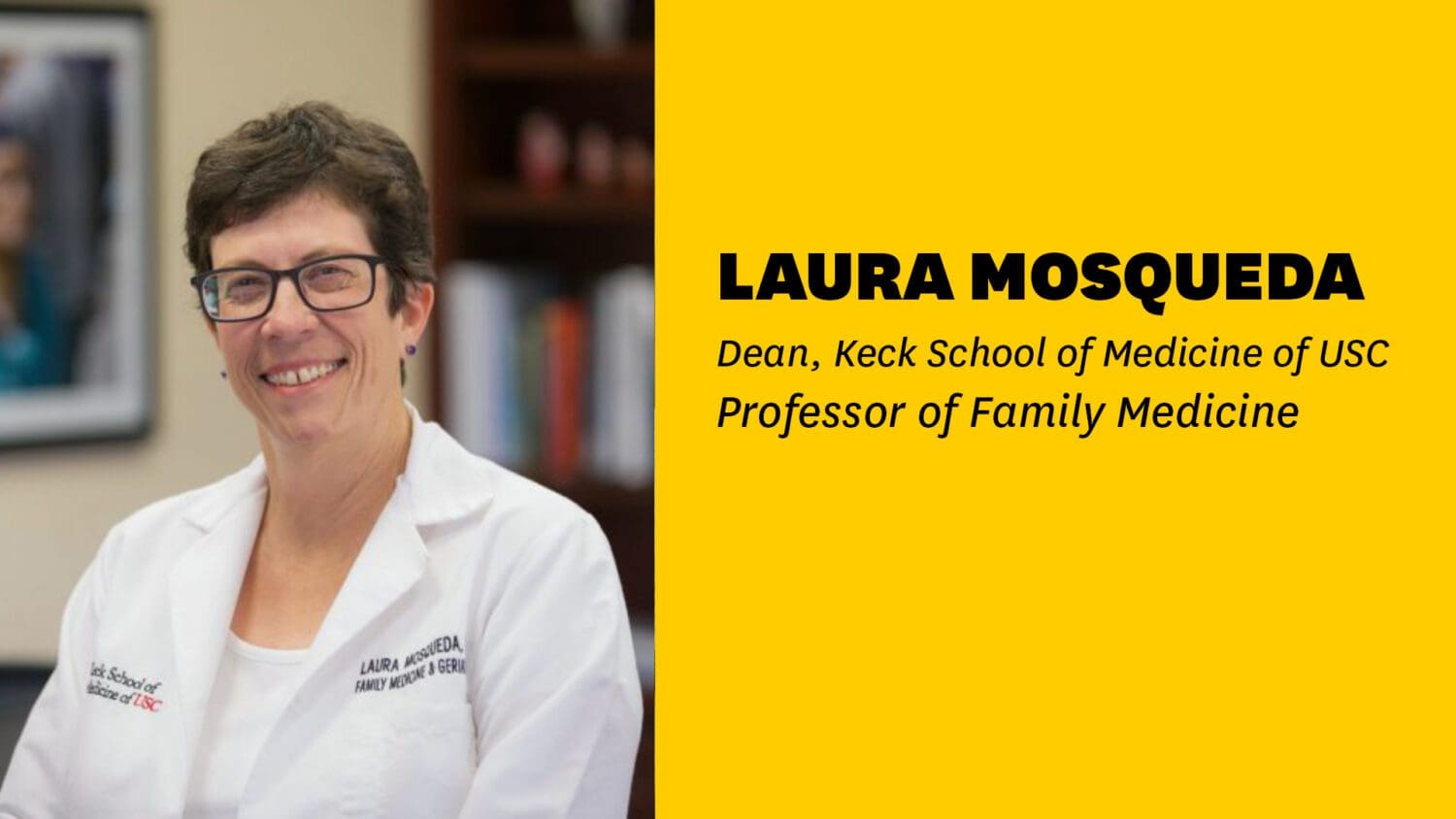
Dr. Laura Mosqueda, Dean and Professor at the Keck School of Medicine of USC, is raising awareness about the issue of elder abuse and shaping how it is addressed in medical schools, clinics and the national conversation.
Quotes from this episode
“Whenever an older adult comes into an emergency room or a primary care office with some sort of injury or wound, we almost always can find a reason other than abuse or neglect that it happens. So, we don’t want to overcall it and over-accuse people, but we need to be aware that it’s a possibility.”
“Well, I think one of the important things as a primary care physician is that we do take a holistic approach to things, so that sometimes I joke around with my patients and I say, well, your cardiologist’s job is to pay attention to your heart, and my job is to make sure that we remember the heart is attached to the rest of you, and how are we going to take care of your heart in the context of you. And then, even as importantly, in the context of your family and your social situation.”
“There’s remarkable work being done to help caregivers and this idea of caregiver stress, it’s so important for caregivers who are under stress to recognize that within themselves, to not feel embarrassed or ashamed, and to reach out and accept help, which is very hard for a lot of us to do.”
“One of my big jokes is nobody has ever thanked me for preventing their fall. If you go into oncology, it’s a very heroic sort of specialty, and cardio thoracic surgery is very heroic. Geriatrics is not what you think of when you think of a heroic specialty. So it just doesn’t have the same kind of oomph and excitement that other specialties do. But once you get in there, and you do some house calls, and you meet people who are 90 or 100 years old and hear their stories. For me, that’s very inspiring.”
Learn more about Dean Mosqueda and her work at keck.usc.edu/faculty-search/laura-mosqueda/
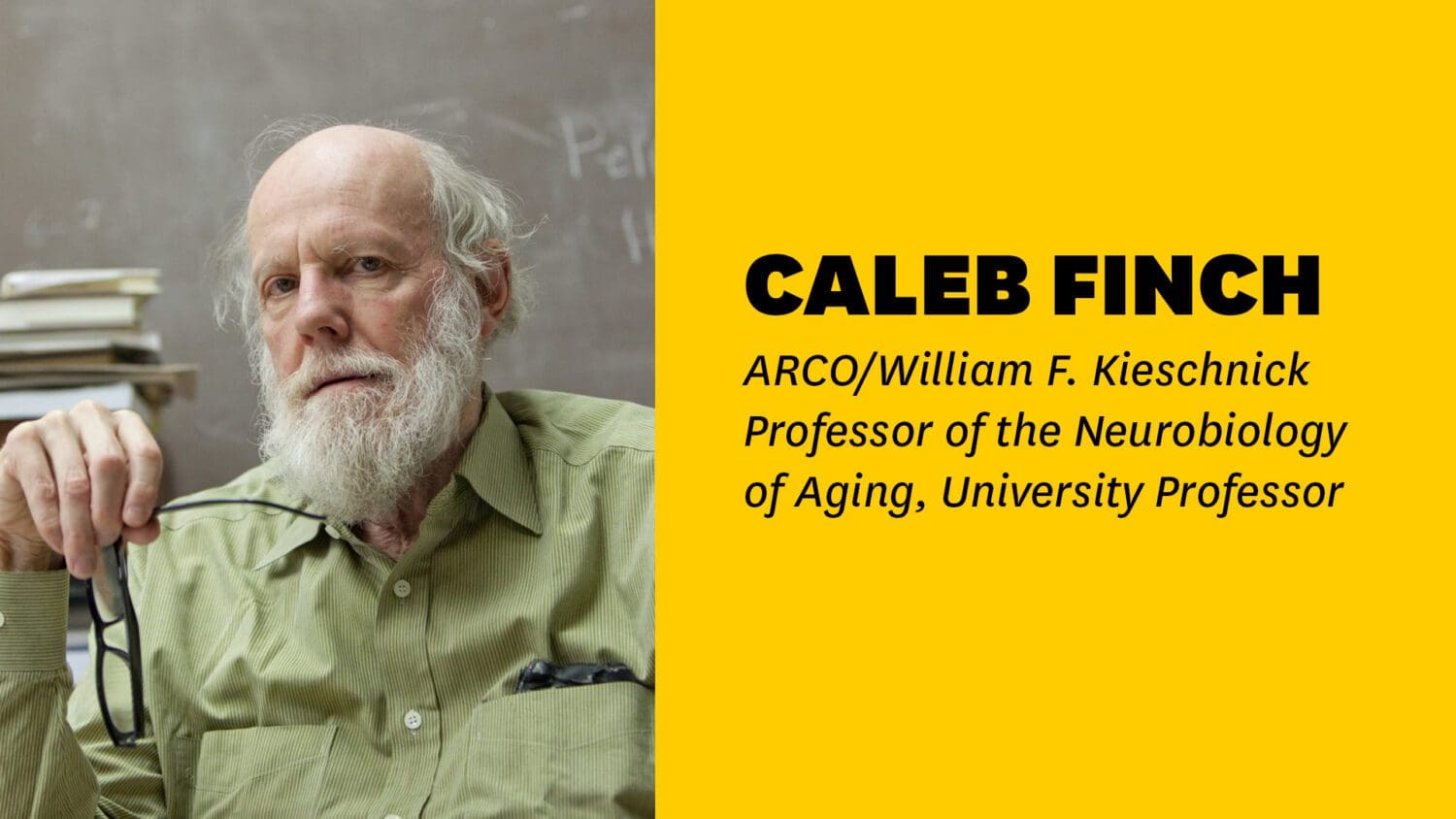
USC University Professor Caleb Finch is working to understand the relationships between aging, genes and the environment through his studies of ancient mummies and premodern societies.
On how people in ancient times may have had heart disease, currently the world’s leading cause of death
“The oldest individual may be the Tyrolean iceman, Ötzi, as he’s called, who is… 3000 BC, living in the Copper Age. And, both of his carotid arteries were calcified. He died because of a wound from a weapon. But, I think it’s a conclusion that’s fairly robust. Is that they’re, at least in the last 10,000 years in the Neolithic area era, people have had some level of atherosclerosis. Although, it may not have been a major cause of death or disability.”
On the paradox of how the Tsimane population lives with high levels of inflammation but low levels of heart disease, even at older ages
“So, what has turned out to my cardiologist’s surprise, when they actually started imaging the older Tsimane that they have almost no vascular disease, and stroke and heart attack are very rare causes of death. They’re mostly…death is caused by infections, or associated with infections. And, it’s a wonderful mystery as to how the rate of blood vessel aging is so much slower in this population than in North America and Western Europe. So we’re studying this in terms of diet, in terms of stress, in terms of disease load, and, of course, we are looking at their individual genetics. … And, that’s why the Tsimane project is so fascinating because they have lifelong high inflammation, and we all would have predicted and did that they would have had faster aging for these same diseases. But it’s not the case, at least for that heart disease.”
On the surprises that come with scientific research
“So, that’s one of the great pleasures in science. As you put your best thoughts together and let them be challenged, looking at different varieties of lifestyle and it turns up that there are things that seem paradoxical that give deeper insights into basic mechanisms of aging.”
Learn more about Professor Finch and his work at gero.usc.edu/faculty/finch
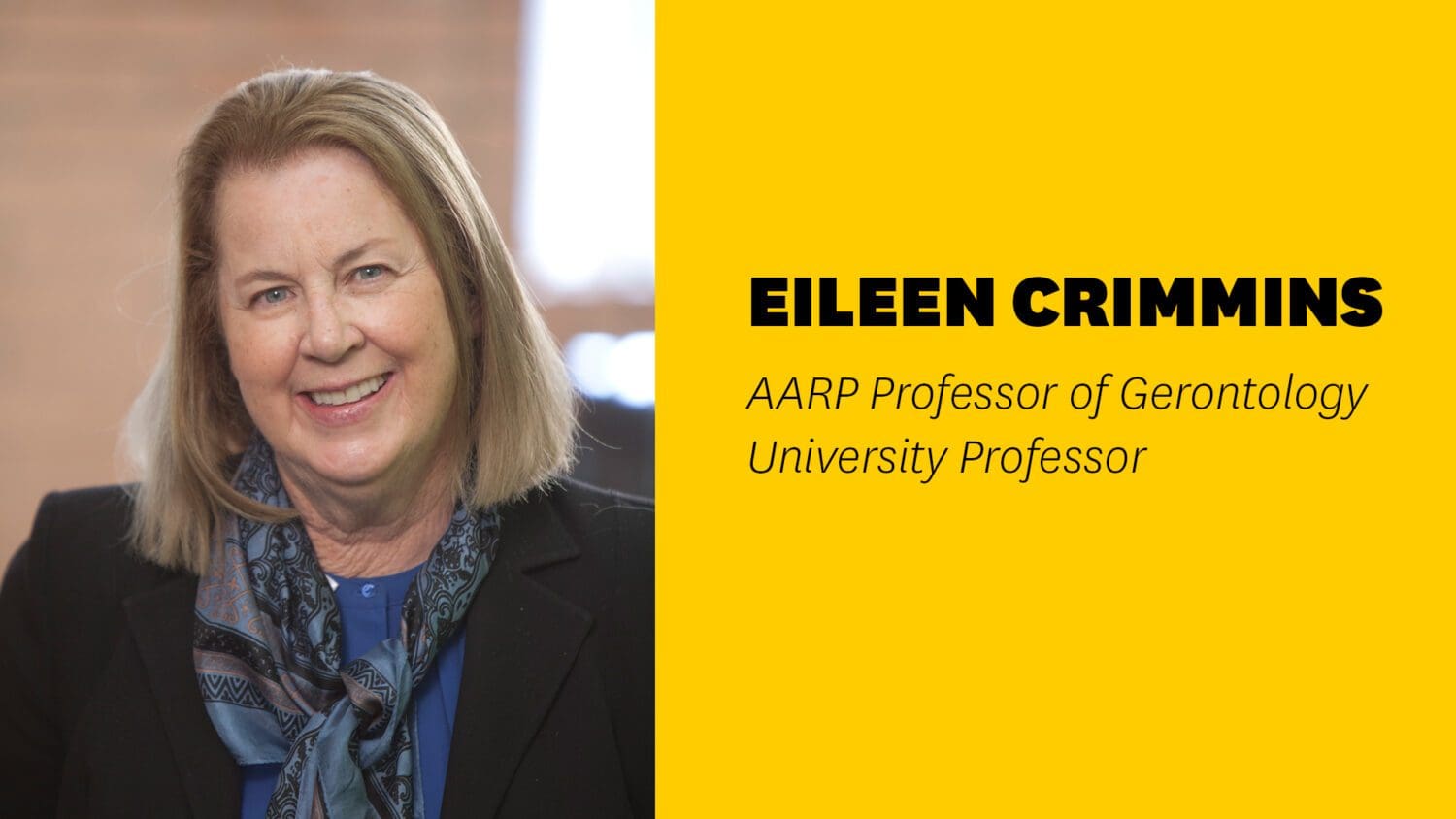
USA Today quoted Caroline Cicero of the USC Leonard Davis School regarding a popular social media post in which a man planned to spend his retirement years at a Holiday Inn hotel. Cicero argued the idea is not based in reality since hotel living is impractical for physically disabled seniors who need help with daily activities such as bathing and getting dressed.
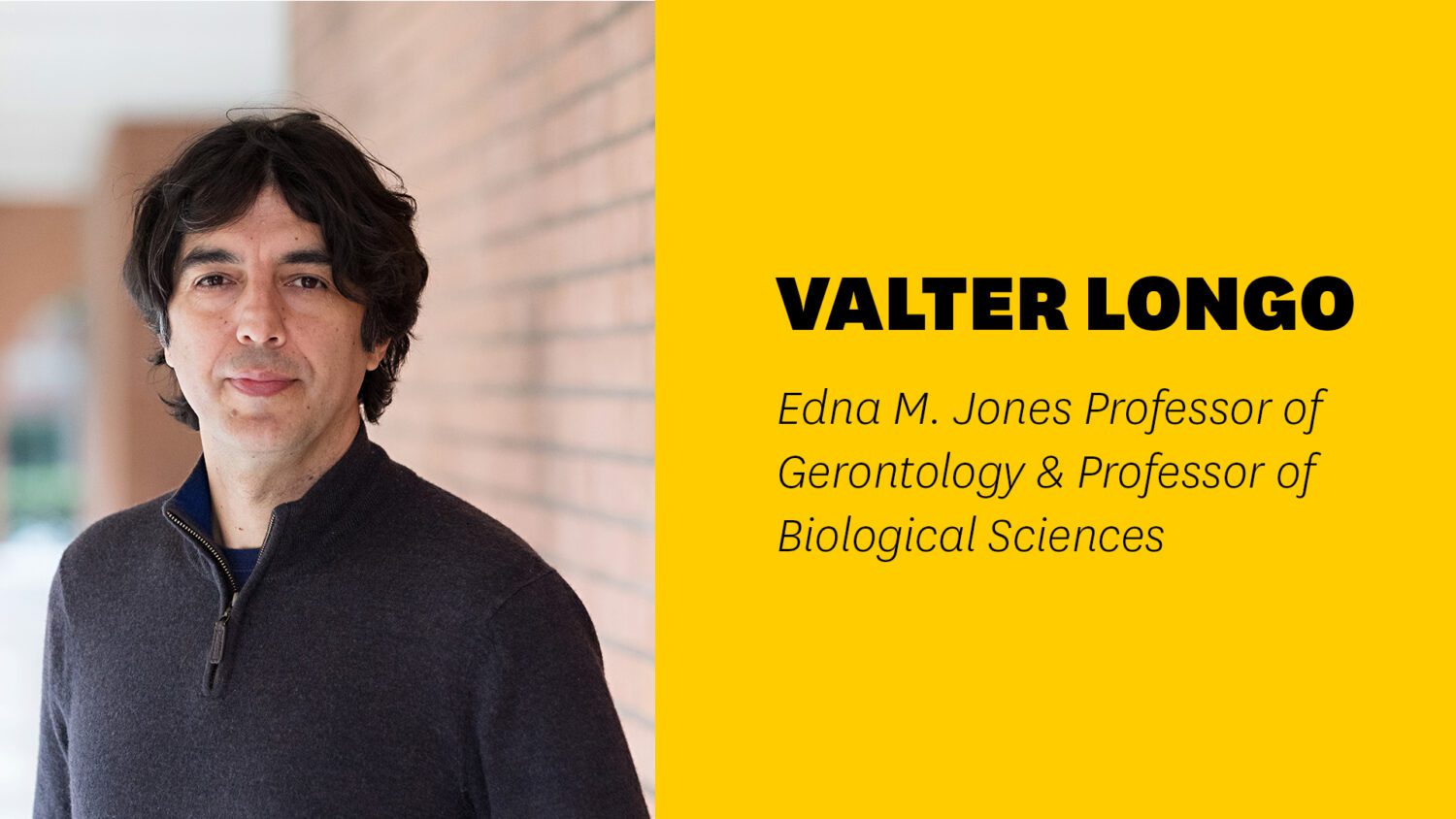
The Guardian quoted Valter Longo of the USC Leonard Davis School about the rising popularity of extreme fasting in the Silicon Valley tech community.




© 2026 USC Leonard Davis School of Gerontology.