
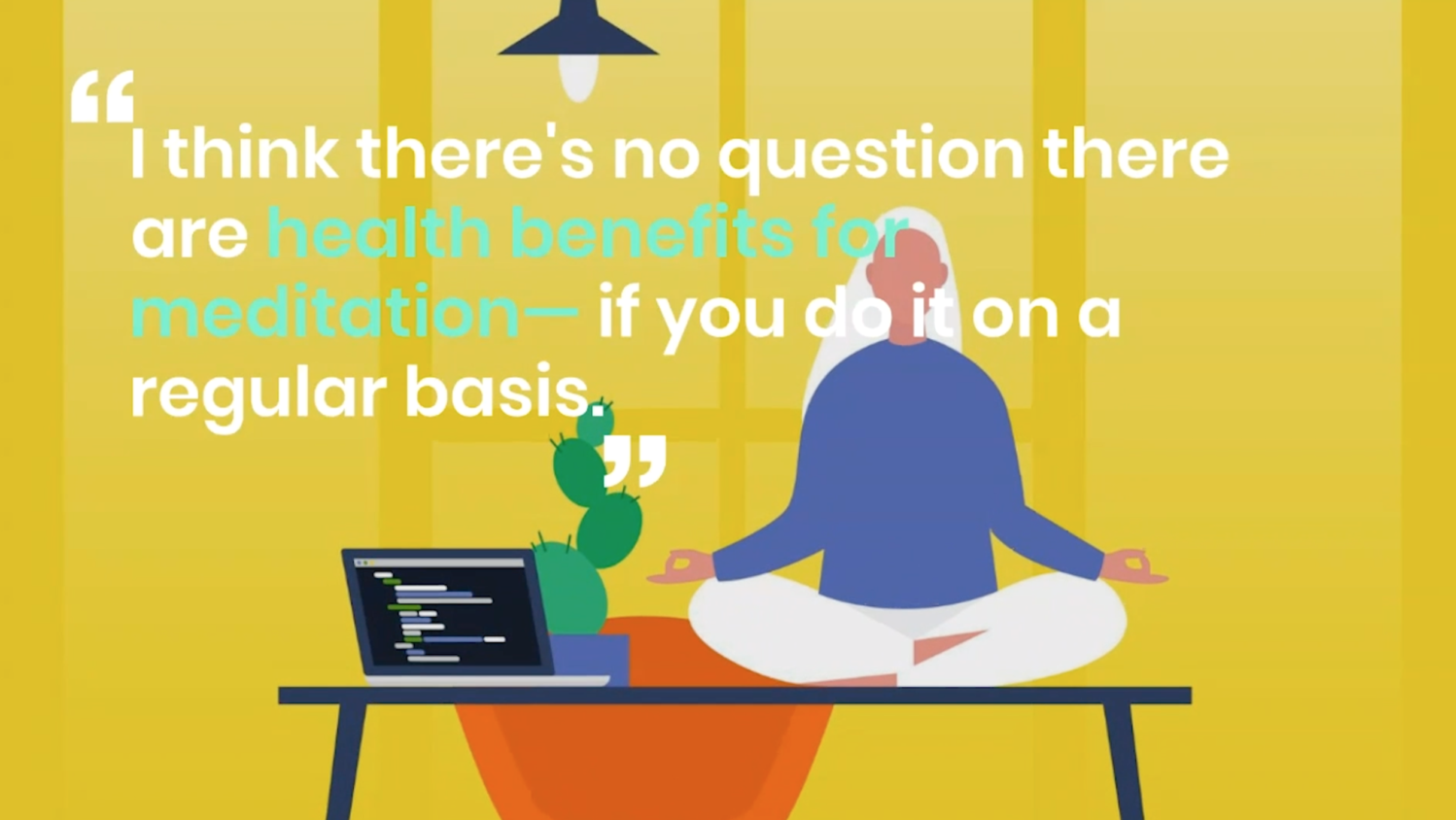
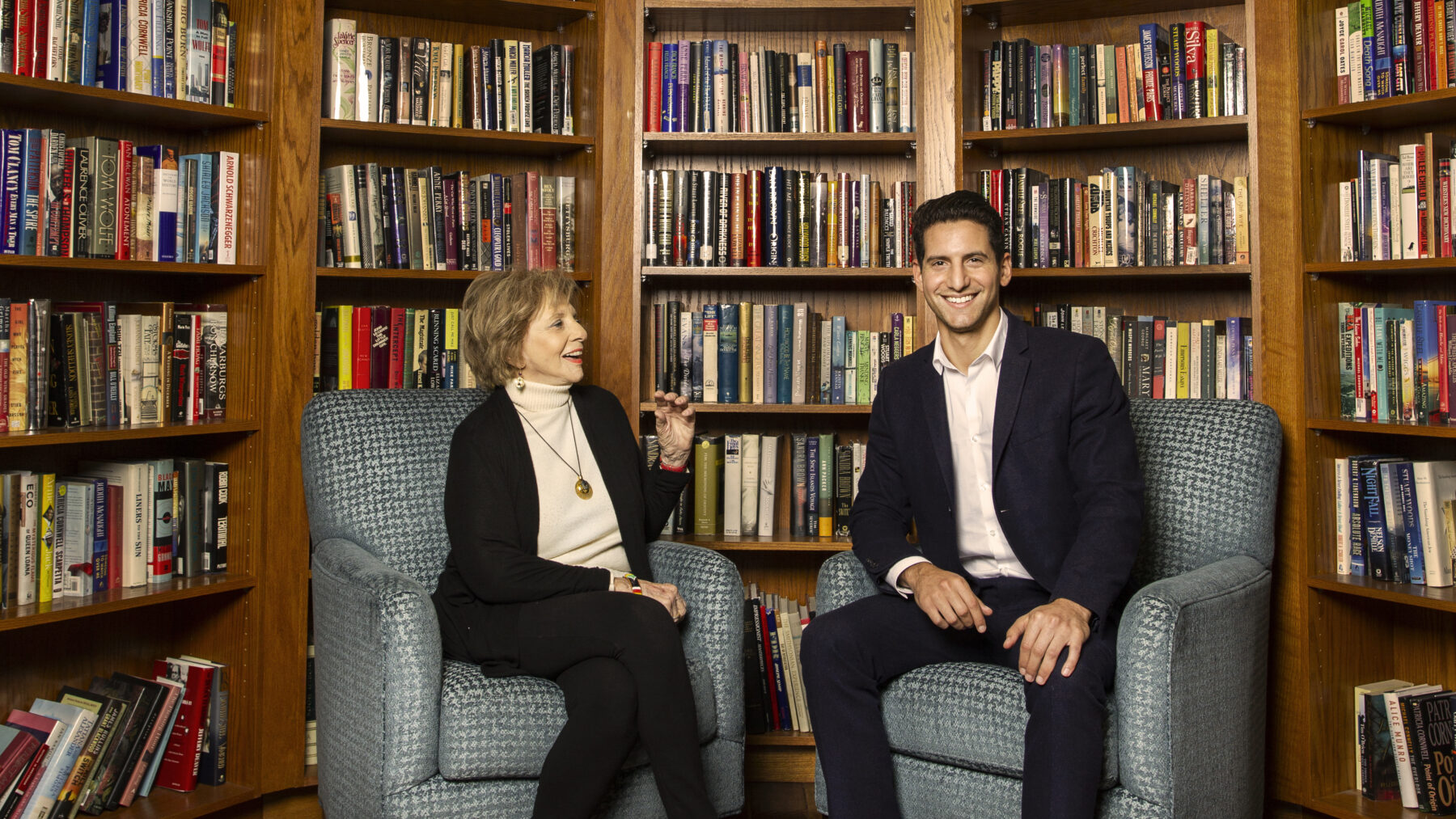
Professor Ed Schneider shines light on the importance of mindfulness and positive mental health for older adults.
Read More
KPBS-FM quoted USC gerontology professor Donna Benton on loneliness in older adults. She said it’s not uncommon for someone to wake up one day and realize their peer group has dwindled rather suddenly. “We may have actually lost them completely to death. So if that happens, your network is smaller and it’s that much more difficult to develop new networks.”

Salon quoted Anna Rahman of the USC Leonard Davis School on the push for alternatives to nursing homes during COVID-19. “I think at the end of the day, you might not really be able to [move away from institutional settings],” Rahman said. “There are some people who are very, very sick, and their families cannot take care of them.”
The Atlantic quoted T. Em Arpawong of the USC Leonard Davis School on post-traumatic growth, which is when people thrive after a negative, life-changing event.
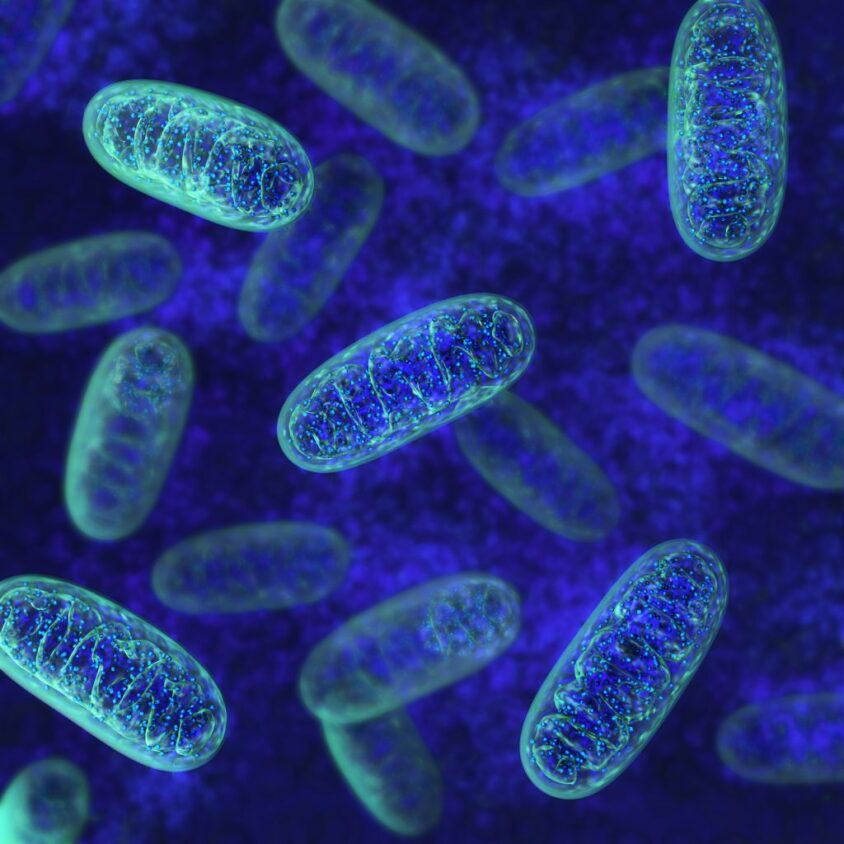
KFI 640 AM featured research by Pinchas Cohen, dean of the USC Leonard Davis School, into why higher levels of humanin in the body have been connected to longer lifespans and better health. “Humanin has long been known to help prevent many age-related diseases, and this is the first time that it has been shown that it can also increase lifespan,” he said.
The Washington Post (via The Conversation) featured commentary by Paul Nash of the USC Leonard Davis School and colleagues on how ageism harms older adults, especially during the coronavirus pandemic. “The COVID-19 emergency gives us the opportunity to examine health inequalities in the U.S. It gives us a chance to look again at the way Americans view and treat older people. And it lets us look at how pitting generations against one another only leads to disaster,” they wrote.
The Conversation featured a column co-authored by Paul Nash on how COVID-19 has underscored the harmful health effects of ageism. “The COVID-19 emergency gives us the opportunity to examine health inequalities in the U.S. It gives us a chance to look again at the way Americans view and treat older people. And it lets us look at how pitting generations against one another only leads to disaster.”



© 2026 USC Leonard Davis School of Gerontology.