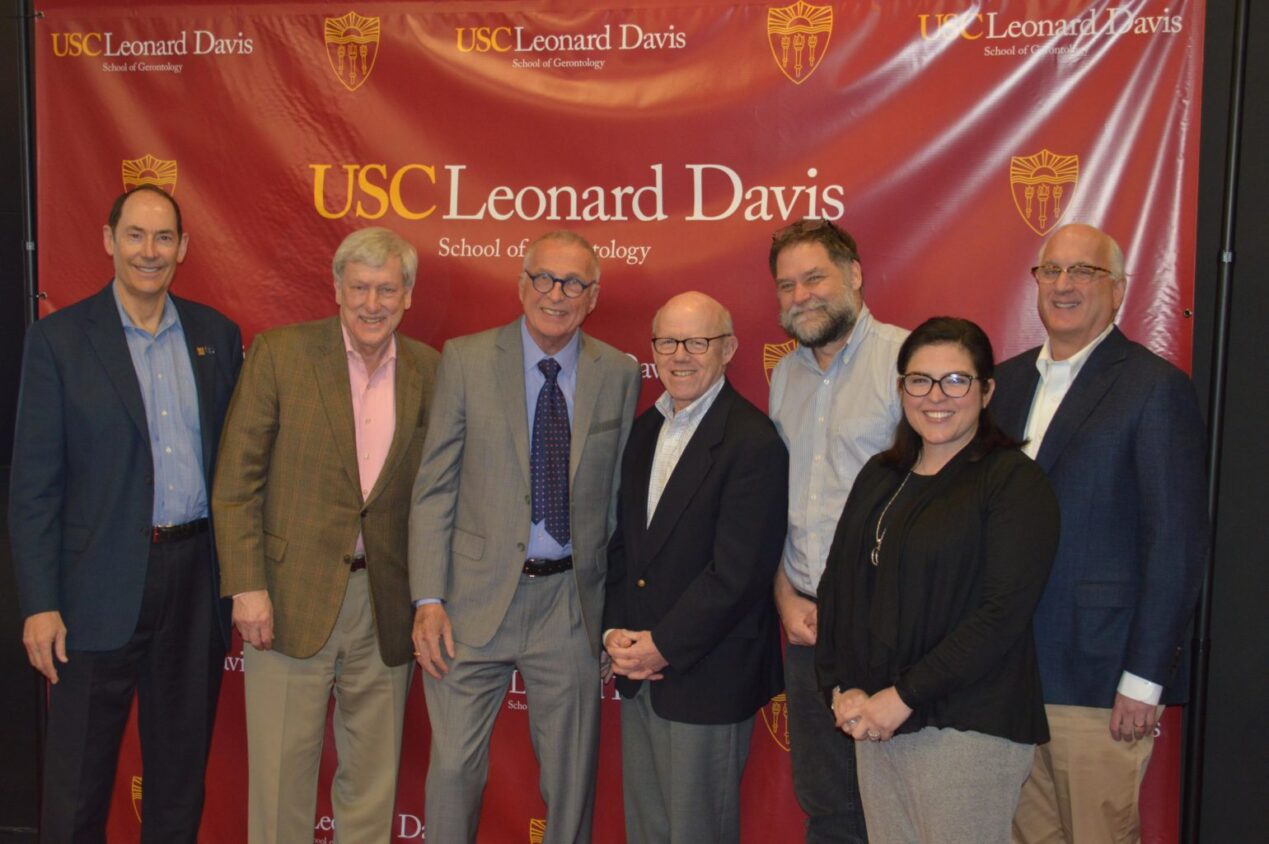
2019 USC Senior Living Executive Course emphasizes the need to address affordability and better serve people of all cognitive abilities.
Read More
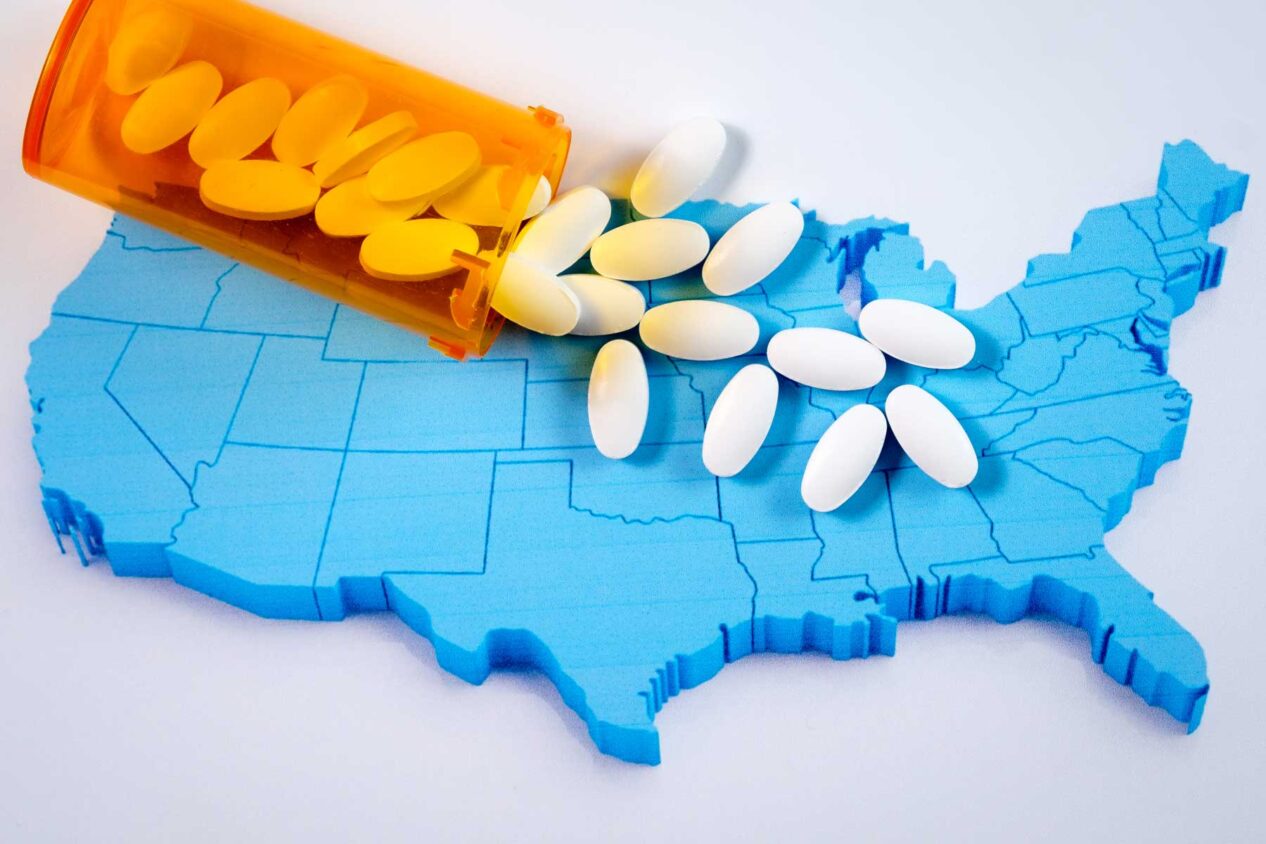
Vox featured research by Jessica Ho of the USC Leonard Davis School about global drug overdose deaths and how the United States compares to other high-income countries. For the past 10 years, America’s drug overdose mortality is the highest among its peer countries. This has also had impacts on life expectancy. Earth also highlighted the study’s results.
Smithsonian featured research by Jessica Ho of the USC Leonard Davis School about global drug overdose death rates and how the United States compares to other high-income countries. “While the United States is not alone in experiencing increases in drug overdose mortality, the magnitude of the differences in levels of drug overdose mortality is staggering,” Ho said. Her study shows American overdose death rates are 3.5 times higher, on average, than those of 17 other wealthy countries, and that drug overdose mortality is widening the life expectancy gap between the United States and its peer countries.
Santa Monica Daily Press cited research by Caleb Finch and Jiu-Chiuan Chen of the Keck School of Medicine of USC about the link between air pollution and reduced mental capacity.
Capital Public Radio quoted Donna Benton of the USC Leonard Davis School about the growing number of caregivers and risk of depression among caregivers. “For family caregivers, almost 50 percent report some type of strain or symptoms of depression,” Benton said.
Los Angeles Times quoted Valter Longo of the USC Leonard Davis School about the obsession with immortality among tech industry executives.
Health Affairs featured a blog post by USC Leonard Davis Research Assistant Professor Anna Rahman about how the distinction between palliative care and end-of-life care needs to be made clearer. “Consistently conflating palliative care and hospice care threatens to undermine our field’s credibility and our ability to help patients who could benefit from the extra layer of support palliative care provides,” she wrote.
Unerased: The History of Conversion Therapy in America interviewed Gerald Davison of USC Dornsife College and USC Leonard Davis School. He discussed how he took a stand against conversion therapy for LGBTQ+ in the 1970s.



© 2026 USC Leonard Davis School of Gerontology.