
STAT published a profile on Valter Longo of the USC Leonard Davis School and his research on the benefits of fasting and fasting-mimicking diets, and how the body ages. Fasting “is at the foundation of the body’s ability to protect, repair, and rejuvenate itself. We started to wonder: What can we use it for?” Longo said. Longo spoke about how his initial research on aging met some pushback from the scientific community. STAT also published a review of Longo’s fasting-mimicking diet.
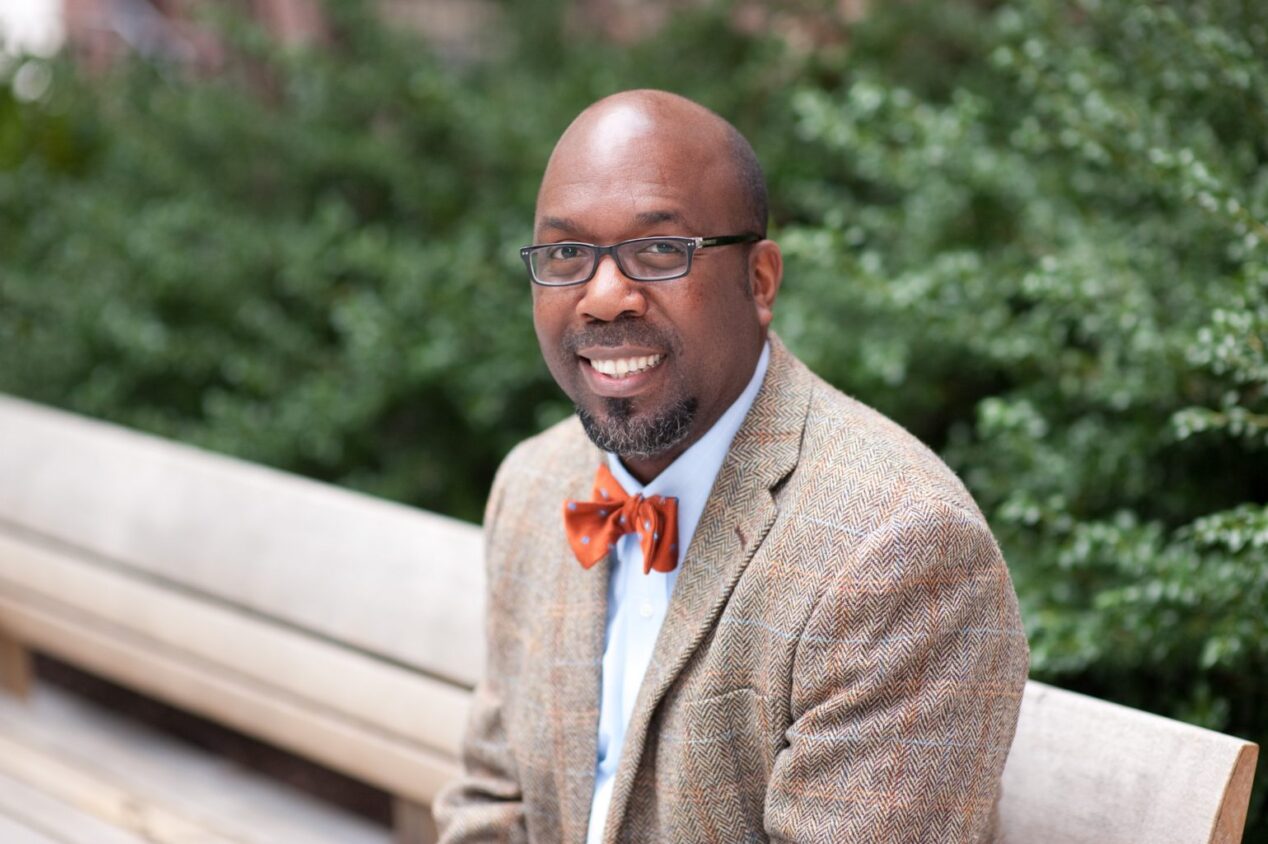
New USC Davis faculty member and 2017-2018 Robert Wood Johnson Foundation Health Policy Fellow Reginald Tucker-Seeley looks beyond simple income measures to find out how individuals’ finance-related feelings and behaviors affect disparities in physical and mental health.
Read More

USC Davis School Assistant Professor Andrei Irimia leads new research on traumatic brain injury diagnosis, treatment and connections to diseases such as Alzheimer’s with a new National Institutes of Health-supported residency and a grant from the National Institute of Neurological Disorders and Stroke.
Read More
The Sacramento Bee (in a California Healthline story) highlighted the USC Leonard Davis School’s Family Caregiver Support Center, which provides resources for caregivers who are responsible for caring for someone 18 or older. “This was designed to help everyone, including middle-income families,” said Donna Benton of the USC Family Caregiver Support Center. The services are offered at low-cost or no-cost, regardless of income and include stress-reduction workshops, legal and financial consultations, how to manage medical care and other resources and breaks from caregiving.
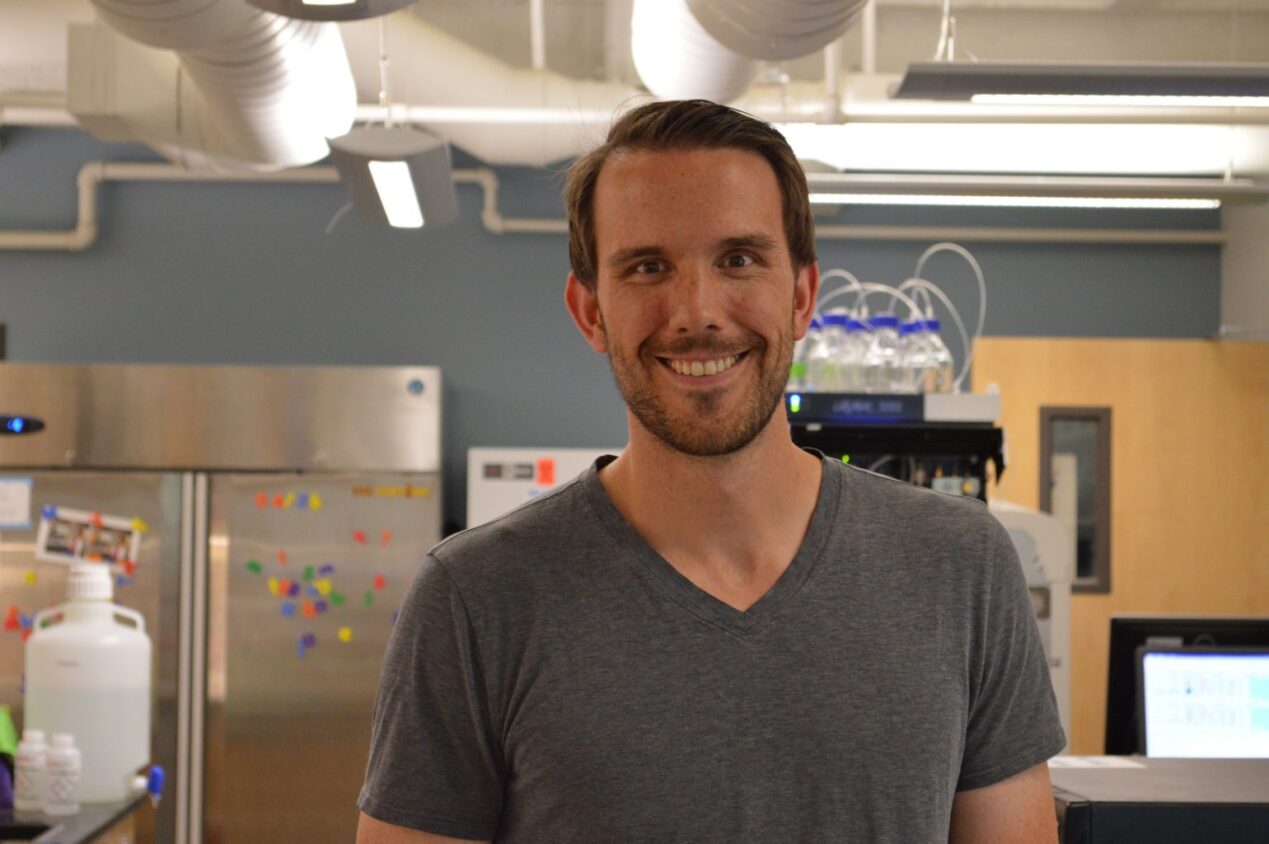
The protein MOTS-c may have the potential to stave off frailty and maintain muscle mass, says second-year PhD in Biology of Aging student and Glenn/AFAR Scholarship recipient Joseph Reynolds.
Read More
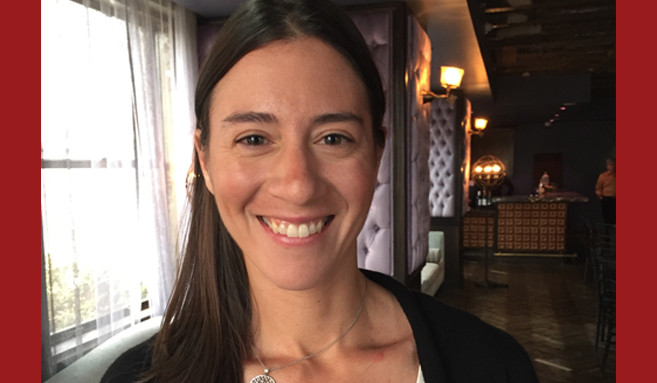
Already a celebrated young researcher, Laura Corrales-Diaz Pomatto is the first to graduate from the school’s pioneering PhD program.
Read More
New York Times quoted USC Leonard Davis Distinguished Scholar in Residence Paul Irving about the best cities for retirees. Irving, also the chairman of Milken’s Center for the Future of Aging, acknowledges that the selections may strike some as a little odd. “We’re not suggesting anyone move to a different place,” he said. “Aging Americans increasingly are inclined to continue to work, stay engaged and active, and live lives driven by purpose. We’re evaluating a series of characteristics that are likely to help enable that kind of life.”
New USC Davis faculty member and 2017-2018 Robert Wood Johnson Foundation Health Policy Fellow Reginald Tucker-Seeley looks beyond simple income measures to find out how individuals’ finance-related feelings and behaviors affect disparities in physical and mental health.
Read More
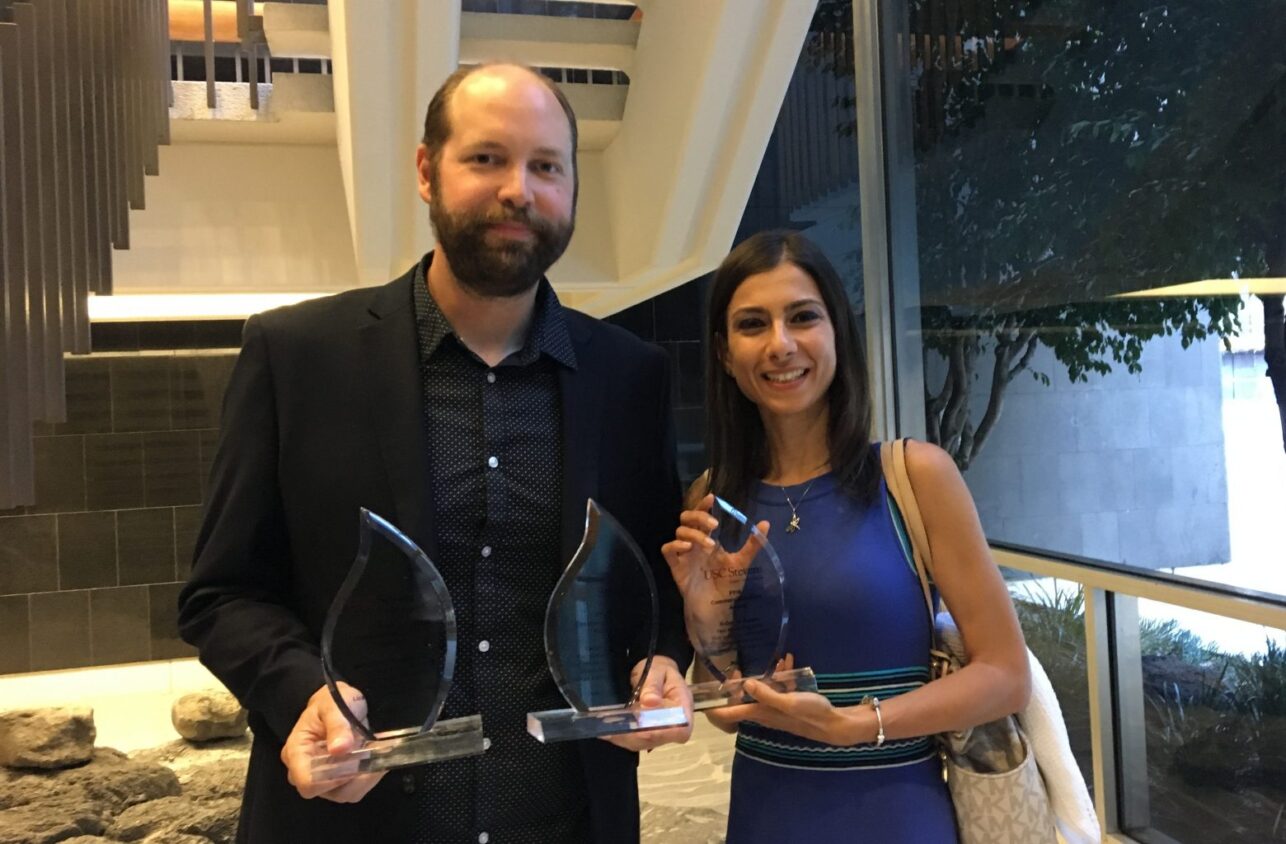
Four researchers receive the first annual USC Stevens Center for Innovation Commercialization Awards for patented fasting-mimicking diet technology licensed in 2016.
Read More
CBS News Detroit affiliate WWJ-TV noted Valter Longo of the USC Leonard Davis School developed a fasting-mimicking diet that is sold commercially.
- Can We Prevent Alzheimer’s Disease Within a Decade?

- Fecal Transplants from Older Mice Significantly Improve Ovarian Function and Fertility in Younger Mice

- “Achieving Abundance in Eldercare” Report Maps Challenges and Opportunities in Ensuring Care for California’s Older Adults

- Study: Shingles Vaccine Linked to Slower Biological Aging in Older Adults

- Study: Email Reminders Boost Use of Database for Safe Prescribing