
The Los Angeles Times featured a 10-week series of free mindful eating classes hosted at the USC Verdugo Hills Hospital. The sessions will be led by Megan Tancredi, a graduate student at the USC Leonard Davis School. Verdugo Hills Hospital Clinical Nutrition Manager Stephanie Wood will also lead the classes.
Newsday quoted Paul Irving, the chairman of the Milken Institute Center for the Future of Aging and distinguished scholar in residence at the Leonard Davis School. He discussed how faith and religion can serve as important tools for reducing social isolation in older adults. “As interesting as social networks are, there’s no substitute for physical presence and face-to-face connection,” Irving said. “Faith-based institutions can play an important role — as a support group and a connection to the memory of a spouse, and the right clergy can be a great comfort.”
Vox quoted Valter Longo of the USC Leonard Davis School on how intermittent fasting can have long-term health benefits.
Outside Magazine highlighted their deputy editor’s experience with USC Leonard Davis School’s Valter Longo’s fasting-mimicking diet. The article quoted Longo on how fasting can promote cellular regeneration in the body. Las Vegas Sun noted research by Longo on the benefits of intermittent fasting. Las Vegas Sun noted research by Longo on the benefits of intermittent fasting.
MindBodyGreen listed The Longevity Diet by Valter Longo of the USC Leonard Davis School as one of the best health books of 2018.
The South China Morning Post recently quoted Valter Longo of the USC Leonard School on the benefits of fasting-mimicking diets.
The Scholar’s Strategy Network podcast, No Jargon, interviewed Jennifer Ailshire of the USC Leonard Davis School about the problems unique to older adults who are homeless, and what needs to change to help this growing, aging population.
The Charleston City Paper quoted Kate Wilber on how to better target elder-abuse perpetrators, and the importance of monitoring mental health care of the elderly and their caregivers. “It is not uncommon for caregivers to lack the capacity and ability to support frail older people — sometimes we assume the kids are the caregivers when they have historically been receiving care from mom or dad because of their own disabilities,” she said.
MindBodyGreen referenced Valter Longo of the USC Leonard Davis School and the benefits of adopting a fasting-mimicking diet.
The Source featured research by Valter Longo of the USC Leonard Davis School on how fasting for three days can improve a person’s health. The six-month study was done on subjects going through chemotherapy. “When you starve, the system tries to save energy, and one of the things it can do to save energy is to recycle a lot of the immune cells that are not needed, especially those that may be damaged,” Longo said.
- First-Ever USC Asian Health and Longevity Symposium Emphasizes Innovation, Care and Community Partnership
- Mediterranean Diet May Boost Mitochondrial Signals Linked to Heart and Brain Health

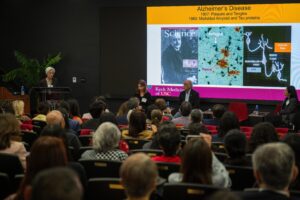
- Can We Prevent Alzheimer’s Disease Within a Decade?

- Fecal Transplants from Older Mice Significantly Improve Ovarian Function and Fertility in Younger Mice

- “Achieving Abundance in Eldercare” Report Maps Challenges and Opportunities in Ensuring Care for California’s Older Adults