search
Category

Caregiving

California caregivers are underpaid, overworked, and at risk for poor health. USC-led taskforce to present state legislature with recommendations for better supports and services

By Caregiving, Demography, Environment

Media Advisory
Contact: Orli Belman, obelman@usc.edu, 213 821-9852

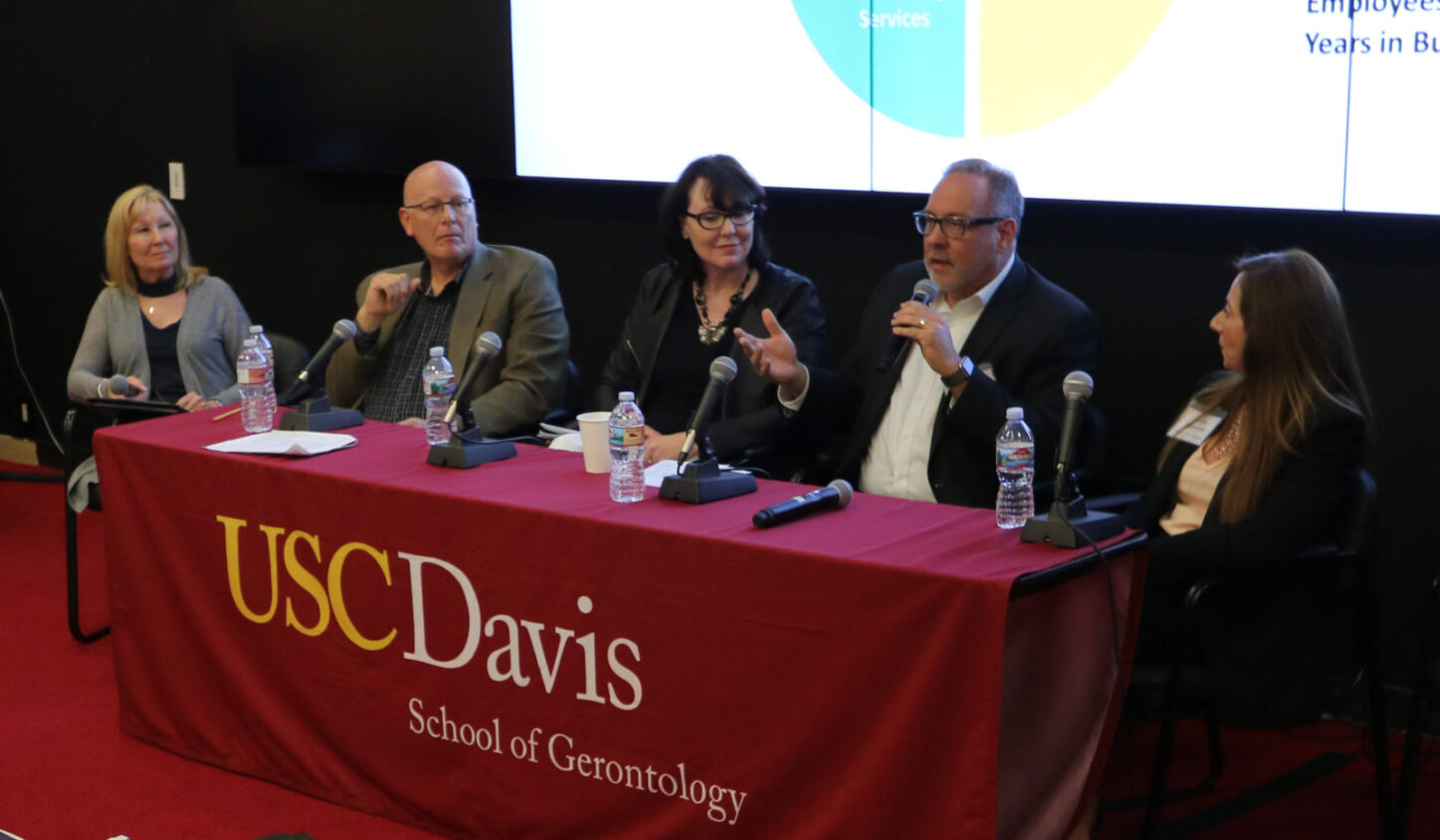
What: At a special legislative hearing at the University of Southern California, the California Task Force on Family Caregiving will release their final report featuring seven recommendations on how to better support and provide for family caregivers.“This report will help California begin to develop an action plan to help caregivers in the state today and to construct a better way to respond in the future,” says Donna Benton, a research associate professor at the USC Leonard Davis School of Gerontology and chair of the 12-person, legislatively-appointed task force.

Who: In addition to the task force members, other expected attendees include individual caregivers, state assembly members, representatives from the California Commission on Aging the USC Leonard Davis School of Gerontology, AARP and the Archstone Foundation. The meeting will be chaired by Assemblymember Ash Kalra, Chair of the Assembly Aging and Long-Term Care Committee.

When: 1:00 – 3:00, Thursday, July 19, 2018 – Informational Hearing of the Assembly and Long-Term Care Committee. A reception will be held immediately following the public hearing.

Where: USC Leonard Davis School of Gerontology auditorium. 3715 McClintock Avenue, Los Angeles, CA 90089. Parking is available in the USC Downey Way structure for anyone attending the hearing. Enter campus at Vermont and 36th Place.

Why: The California Task Force on Family Caregiving was established to address the challenges
encountered by California’s 4.5 million family caregivers who care for individuals ages 18 and older.  Family caregivers provide close to $60 million worth of care and assistance each year and face many challenges, including balancing employment and caregiving, accessing culturally relevant and competent services, paying for supportive services, and attending to their own health and wellbeing. Existing policies in California to support caregivers have not kept pace with changing needs. The Task Force recommendations are intended to bridge the gap between existing policies and the challenges faced by California’s caregivers.

“We want to continue to have California be an exemplar and to develop innovative ways of addressing caregiving needs, which are only going to increase with the aging of the population,” said Kate Wilber, Mary Pickford Foundation Professor of Gerontology at the USC Leonard Davis School and leader of the USC administrative and research team supporting the Task Force.

Resources:
Facts and figures included in the report:

  • 1 in 4 caregivers are Millennials.
  • Caregivers endure higher rates of cardiovascular risk factors, poorer immune functioning, and higher levels of depression than noncaregivers.
  • 36% percent of family caregivers to adults above the age of 50 report feeling financial strain from their caregiving duties.
  • Approximately 10% of caregivers leave the workforce prematurely to provide care.
  • Women who are caregivers who stopped working were 4.3 times more likely to experience poverty than non-caregivers who did so.
  • African-American/Black and Hispanic caregivers spend a higher proportion of their income on out-of-pocket costs to provide care than Caucasian/White and Asian caregivers.
  • Despite having the oldest paid family leave law in the nation, just 11.6% of paid leave claims in California were taken by family caregivers from March 2017 to April 2018.
  • Over 80% of caregivers indicate they need more information on caregiving-related topics. Additionally, existing materials are often only available in English and providers may not have training in cultural competence.
  • In 2009, funding for California’s unique Caregiver Resource Centers was cut by 74%, from $10.5 million. In 2015, a $2 million recovery restored some of these funds, but current levels of funding remain far below 2008 levels and are inadequate to meet demands.

More: The Task Force was authorized by California Assembly Concurrent Resolution (ACR) 38. Administrative support, including convening the Task Force, is funded by grants from AARP California and the Archstone Foundation to the University of Southern California Leonard Davis School of Gerontology.

Read/download the final report
Visit the Task Force website

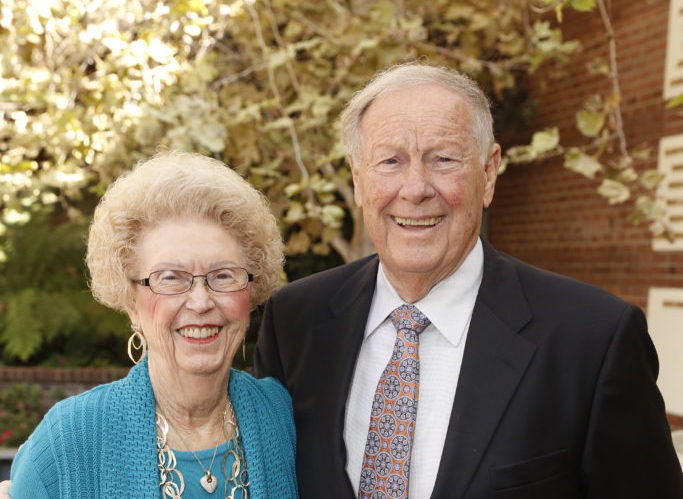
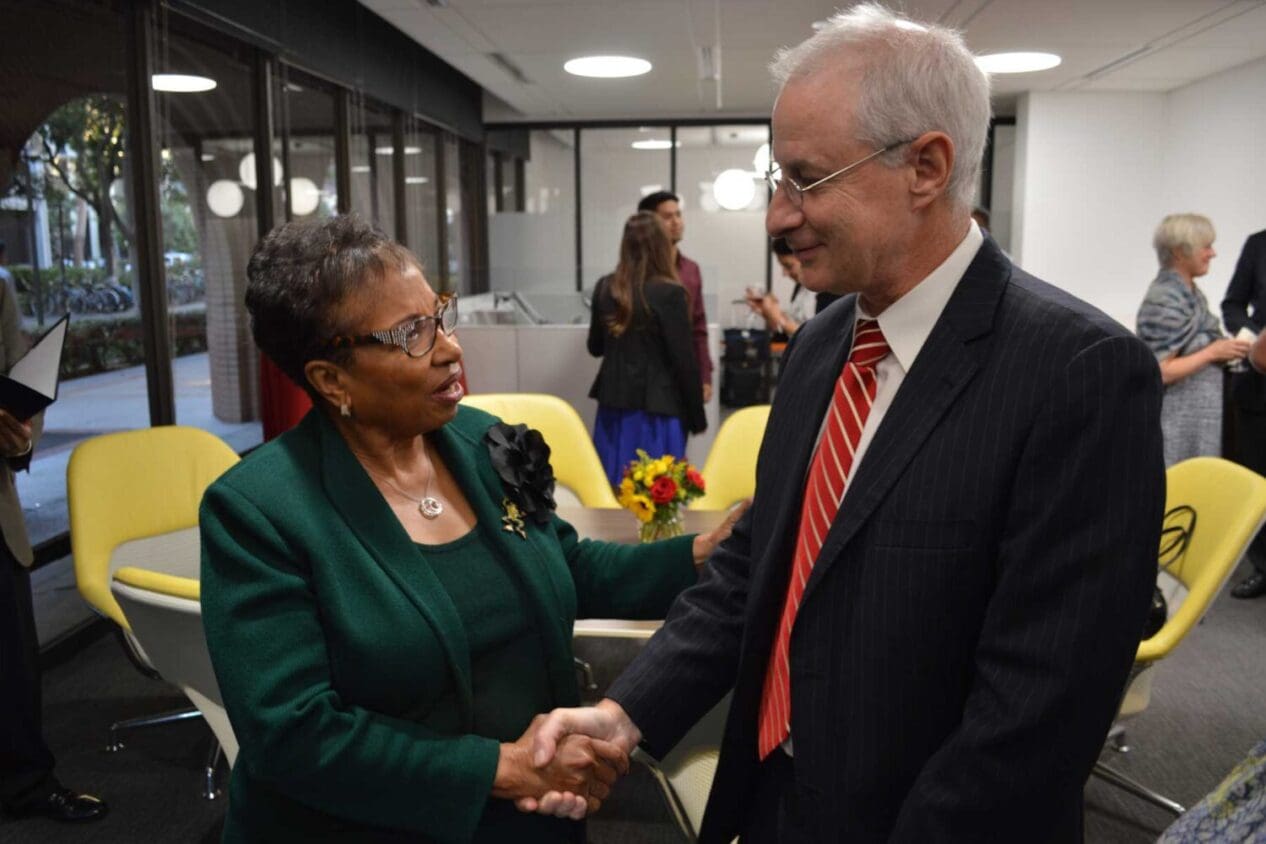
Cheryl Brown greets Pinchas Cohen

USC supports task force to improve well-being for family caregivers

By Caregiving, Featured, Policy

Cheryl Brown made a promise to her mother.

“My mother said, ‘don’t you put me in a nursing home. Don’t you do that to me’,” said Brown, who cared for her mother at home after she suffered a stroke. Brown actually became a family caregiver at age 12 when she helped to care for her grandmother, and has continued in that role since her husband Hardy was diagnosed with amyotrophic lateral sclerosis (ALS) in 2002.

She is one of California’s estimated six million caregivers, providing long-term unpaid care to allow those with a functional disability or cognitive impairment to age at home. She is also a state assemblymember from San Bernardino and chair of the Committee on Aging and Long-Term Care. With the hope of enacting an official policy, Brown has turned to the USC Leonard Davis School of Gerontology for help. The school is seen as a leader in exploring issues centering on family caregiving and aging at home.

Last year Brown sponsored a resolution that established the California Task Force on Family Caregiving. USC Davis, with funding from the AARP and the Archstone Foundation, is supporting the work of the 12-member assembly and Senate-appointed team by providing substantive information and administrative assistance. “We want to continue to have California be an exemplar and to develop innovative ways of addressing caregiving needs, which are only going to increase with the aging of the population,” said Kate Wilber, Mary Pickford Foundation Professor of Gerontology at USC Davis.

A blueprint for improvement

Working with Wilber’s team, the task force will deliver a report in July 2018, providing the legislature with recommendations on how to improve services and support for family caregivers. “I think it is going to change a lot of systems and add to them to make sure that a caregiver will be able to not just exist, but thrive,” Brown said at the task force’s kickoff meeting on Oct. 20 at USC. Brown also noted that budgets for caregiving support services have been cut and that California caregivers are providing the state with close to $50 million of free labor, which often comes at a cost to caregivers. “Many times the caregiver gets sick and dies before the person they are caring for,” she said.

Caregivers need care of their own

California’s task force is part of a growing recognition that caregivers, who are at risk for major diseases and depression, need care themselves.

One year ago, President Barack Obama proclaimed that November would be National Family Caregivers Month and the National Academies of Sciences, Engineering and Medicine recently issued a report recommending the development of a national strategy to address caregivers’ health, economic security and overall well-being. The report, titled “Families Caring for an Aging America,” states that around 20 million people nationwide are providing some form of support — from assisting with bathing and dressing to managing complex medications and providing constant supervision — to an older parent, spouse, friend or neighbor.

USC Professor Donna Benton is an appointed member of the task force. She is also the director of the USC Family Caregiver Support Center, which provides support to individual caregivers. Benton said that one large challenge is getting people to recognize that they are actually caregivers. “A lot of people just take on this role as part of what they think family members are expected to do for one another,” she said. “If you don’t think you are a caregiver, you are not going to ask for help.” Brown agreed that increasing awareness is key. As someone who has been a caregiver since she was young, she was excited to see USC Davis students helping out as part of the task force team and believes that they can be part of the solution.

“It is inspiring to see young people involved,” she said.

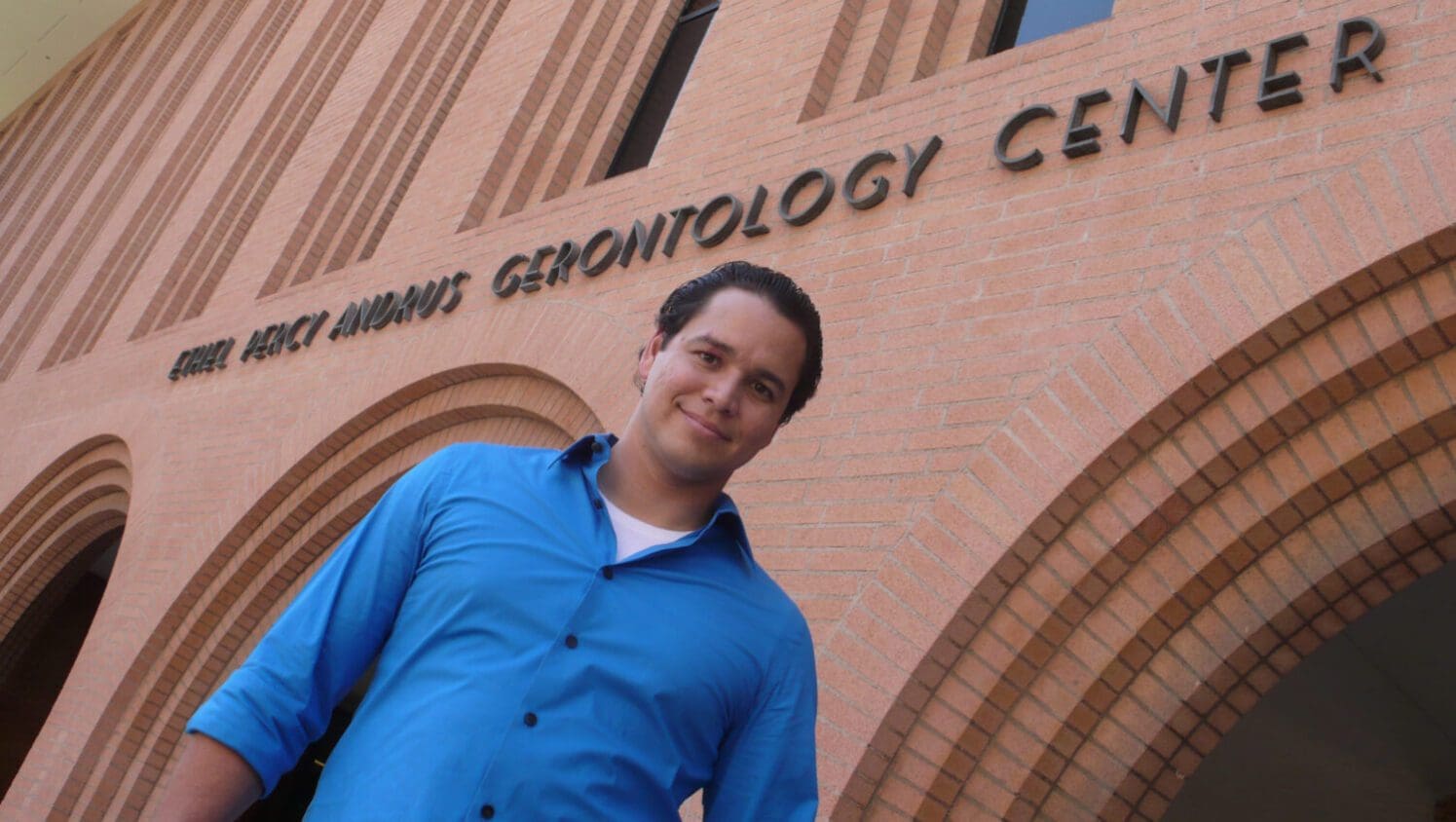
Jeff Laguna outside USC Leonard Davis School

Student Wins Award for Groundbreaking Paper on Minority End-of-Life Pain Management

By Caregiving, Featured, Honors and Awards, Student Profile
USC Davis School of Gerontology doctoral student Jeff Laguna (Photo/Trevor Nelson)

USC Leonard Davis School of Gerontology doctoral student Jeff Laguna (Photo/Trevor Nelson)

End-of-life pain is poorly managed across the board, but why, even with palliative care efforts, do minorities suffer disproportionately?

Tackling what he calls the first study to investigate pain experiences among Whites, Blacks and Latinos following inpatient palliative care (IPC) consults, USC Leonard Davis School of Gerontology doctoral student Jeff Laguna won the Gerontological Society of America’s Elaine M. Brody Award, given for excellence in research.

Co-authored with Rebecca Goldstein, MD, and USC Leonard Davis School Hanson Family Trust Assistant Professor of Gerontology Susan Enguídanos, PhD, MPH, the study was funded by the Archstone Foundation, examining 484 seriously ill patients and how their racial/ethnic differences impacted their end-of-life pain.

“We found something very interesting. Although palliative care did a great job at reducing pain among a racially/ethnically diverse patient population, it seems that Latinos were still more likely to report pain at hospital discharge,” Laguna said. “Previous research suggests a couple possible explanations, but a more detailed study will be needed to understand why Latinos appear to respond differently.”

Some of the existing explanations include the potential for Latinos to view end-of-life pain as a time of necessary and even welcome personal and/or spiritual cleansing, highlighting Laguna’s findings that IPC interventions may need to increase cultural sensitivity. He also finds that this increased awareness will inform future policy changes, which could help revolutionize the way we think about end-of-life care.

“After decades of recognizing the existence of ethnic disparities in health care access and health outcomes, we are continuing to see these patterns today. Illuminating these disparities is a first step to understanding and overcoming them,” Enguídanos said. “Jeff’s commitment to investigating disparities and improving equitable quality of care is commendable and critical.”

“For me, this award is the culmination of a lot of hard work, as I had to travel halfway across the country to master the analyses performed in this study,” Laguna said. “It is my hope that this study opens the door for a more detailed investigation. While this is the first step of many, I believe that it is an important step.”