

Combined with neighborhood and socioeconomic risk factors, air pollution could mean more cognitive impairment for vulnerable older adults, says USC Davis School researcher Jennifer Ailshire.
Read More
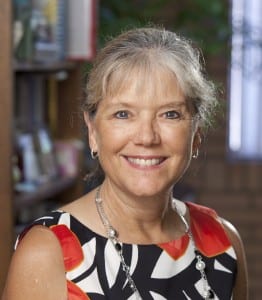
Assistant Instructional Professor Cary Kreutzer
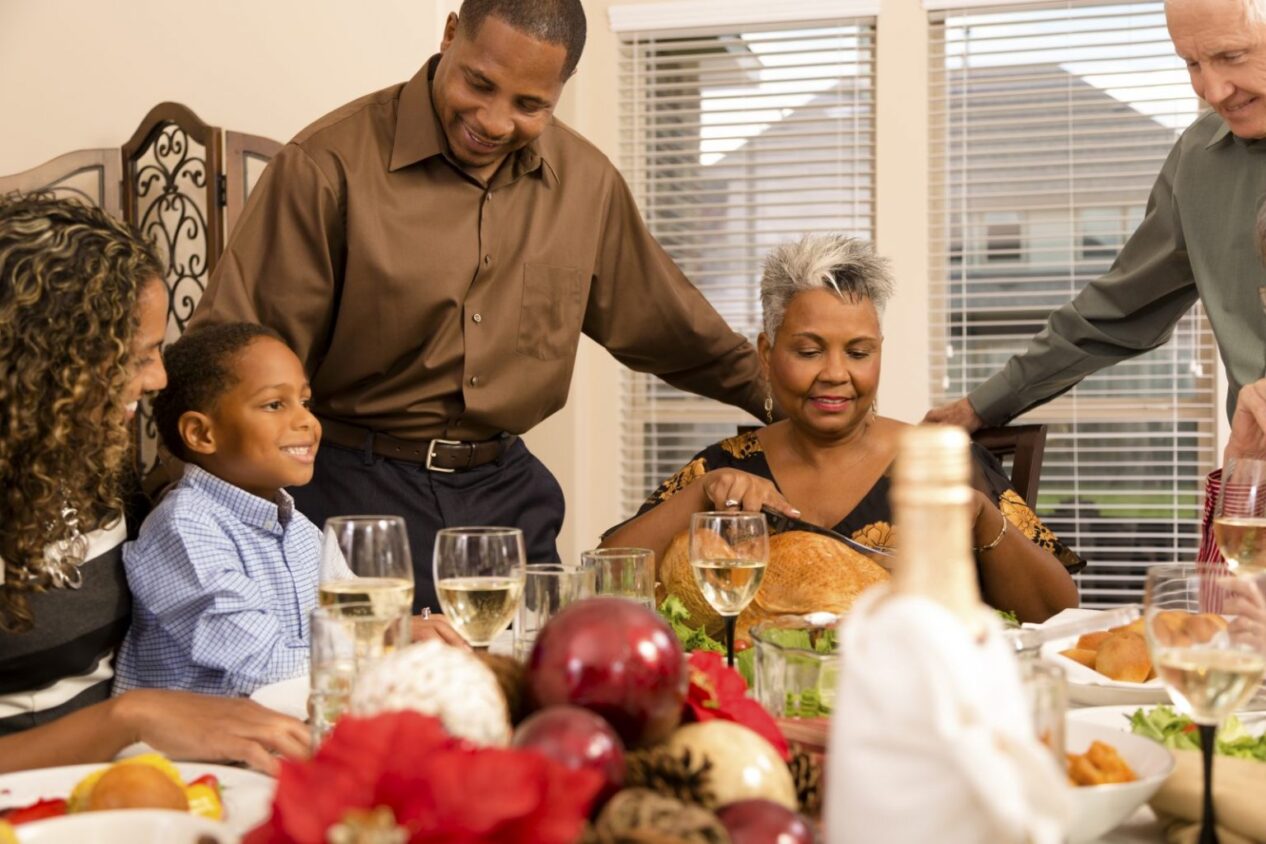
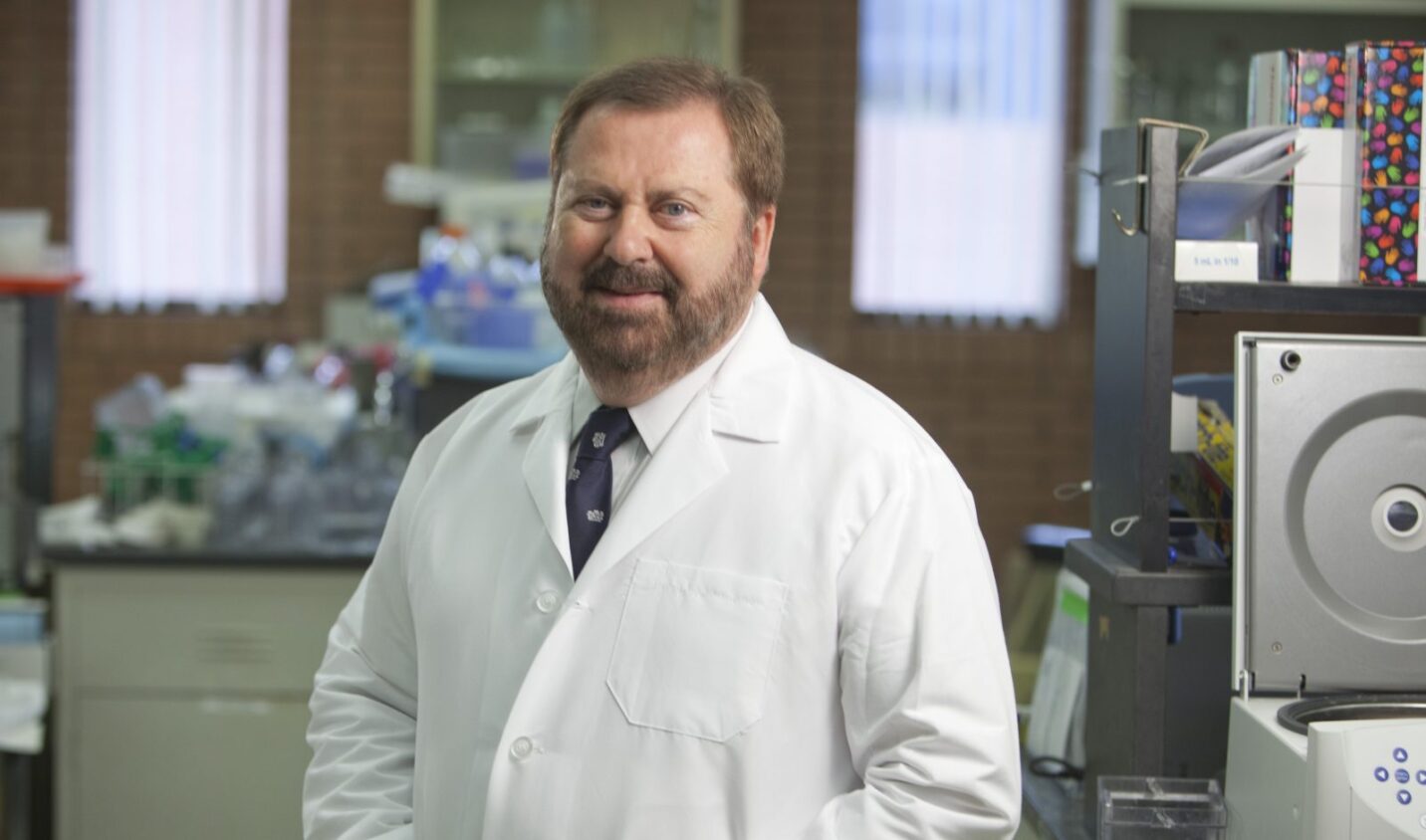
The Thanksgiving meal is often used to illustrate how Americans get it wrong with food – we eat too much of everything, leaving us feeling like overstuffed turkeys. Registered dietitian Dr. Cary Kreutzer, director of the Master of Science in Nutrition, Healthspan, and Longevity program at the USC Leonard Davis School of Gerontology, says it does not need to be that way. In fact, America’s food-focused holiday is the ideal time to start some healthy traditions inspired by the Mediterranean lifestyle, also known as the Mediterranean diet.
“Thanksgiving is not just about sitting down to a meal,” said Kreutzer. “It is a day to enjoy preparing traditional foods, savoring flavors and spending time with family and friends. This social aspect is a known benefit of the Mediterranean lifestyle and something to be mindful of as we continue and create our own holiday traditions.” Speaking of tranditions, Kreutzer adds that pilgrims’ original main dish was actually fish, not turkey.
Make it a Dunch
It’s not dinner. It’s not lunch. Kreutzer calls it dunch, and says the ideal time to eat the main course is between 2:00 – 4:00 pm. “An early start gives you a chance to go outside and enjoy activities with the family or go for a walk before dark and to take a break before dessert,” she says. “Leftovers are the best part, so saving enough food for the next few days allows you to enjoy the meal multiple times.”
Embrace Tradition
“Food is social. Food is emotional,” says Kreutzer. “Thanksgiving is no time to skip your family favorites.” Instead, Kreutzer recommends taking smaller portions of the good stuff and avoiding the non-essential items, like buttered bread rolls, to make room for more special foods that she says can be prepared more healthfully with no loss to taste. Read on for some examples.
Toss the Saturated Fat
Don’t skip the gravy, skim it. Kreutzer advises adding some ice cubes to the turkey juices before preparing gravy. Skimming the fat that floats to the top before adding thickener will remove the saturated fat and extra calories – and keep the flavor. Also, extra virgin olive oil can be added to a dark green leafy salad with chopped walnuts, key ingredients in the Mediterranean diet.
Keep Foods Whole
Whole, fresh foods have only one ingredient, the fruit or vegetable. Processed foods have many added ingredients to keep them on the store shelves longer. By using whole foods and adding little or no additional ingredients – be it sugar or butter – the more you benefit in terms of fiber and nutrients. Also, keep in mind that overcooking destroys beneficial vitamins and minerals. So, keep it simple, and keep the skin. “From cranberries to potatoes, whole foods provide whole nutrition so don’t toss the nutrients ,” said Kreutzer.
Color your Plate
Don’t let your centerpiece steal the show. Your plate should include an array of colors too. “Most of us eat far more turkey and ham than we need,” says Kreutzer. “Two to four ounces of meat protein is enough for most people, which leaves room for a variety of vegetables.” Speaking of plates, Kreutzer also recommends using a smaller size to keep portions in check. Our eyes deceive us and we are inclined to fill our plate to the edges.
Slow down
Fast eaters often end up eating more, and are the first to go back for a second plate, says Kreutzer. Putting forks down and sipping water, tea, coffee, milk or a glass of red wine (don’t forget drinks can add lots of hidden sugar and calories to meals) can prolong the time between bites. Enjoy the company and engage in conversation while savoring the smell and flavors of the meal.
Preserve the Cultural and Family Rituals
Some people, particularly older adults, may not be able to travel on Thanksgiving or may not be able to consume solid foods. Kreutzer stresses the importance of taking steps to trigger the positive associations of the holiday no matter your age and abilities. For example, she says even the smell of a dish can be enough to trigger a memory and increase one’s appetite.


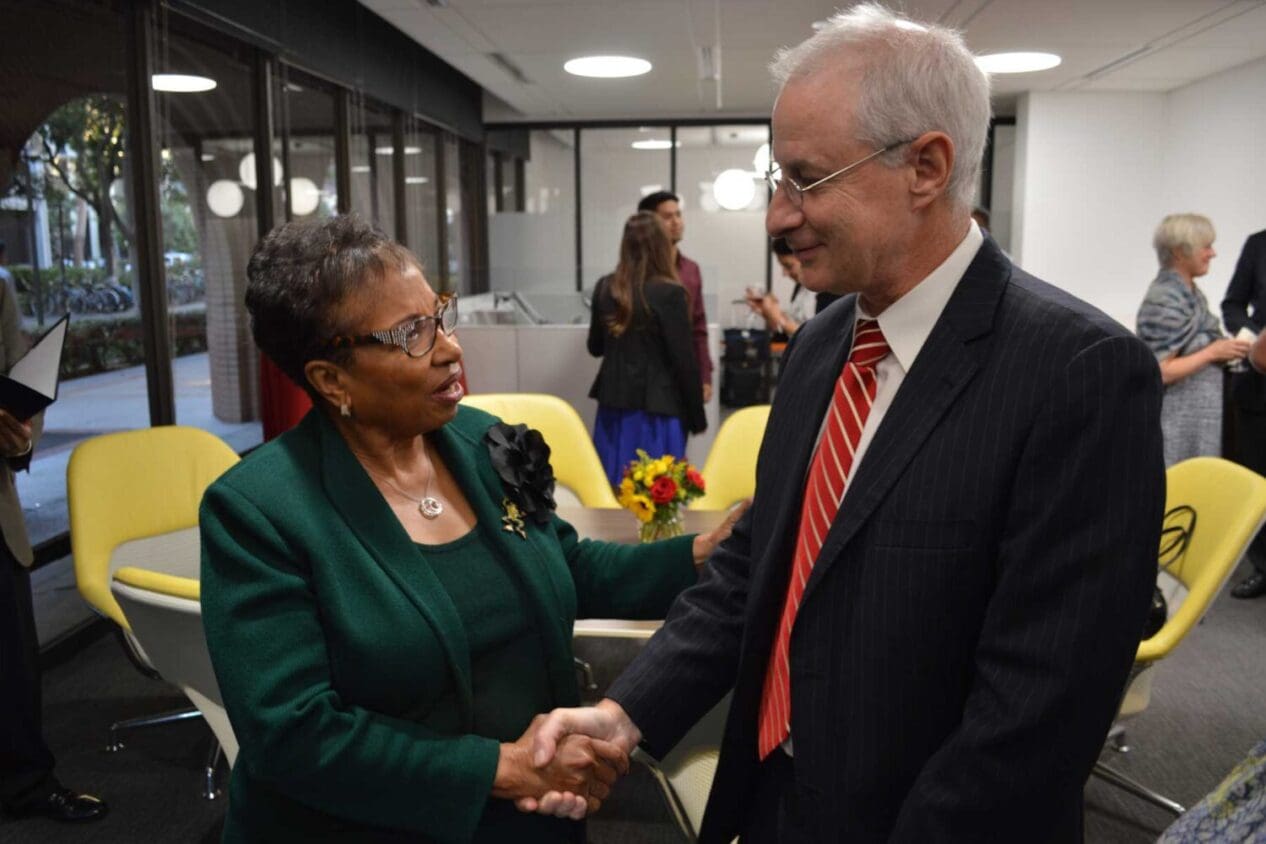
Cheryl Brown made a promise to her mother.
“My mother said, ‘don’t you put me in a nursing home. Don’t you do that to me’,” said Brown, who cared for her mother at home after she suffered a stroke. Brown actually became a family caregiver at age 12 when she helped to care for her grandmother, and has continued in that role since her husband Hardy was diagnosed with amyotrophic lateral sclerosis (ALS) in 2002.
She is one of California’s estimated six million caregivers, providing long-term unpaid care to allow those with a functional disability or cognitive impairment to age at home. She is also a state assemblymember from San Bernardino and chair of the Committee on Aging and Long-Term Care. With the hope of enacting an official policy, Brown has turned to the USC Leonard Davis School of Gerontology for help. The school is seen as a leader in exploring issues centering on family caregiving and aging at home.
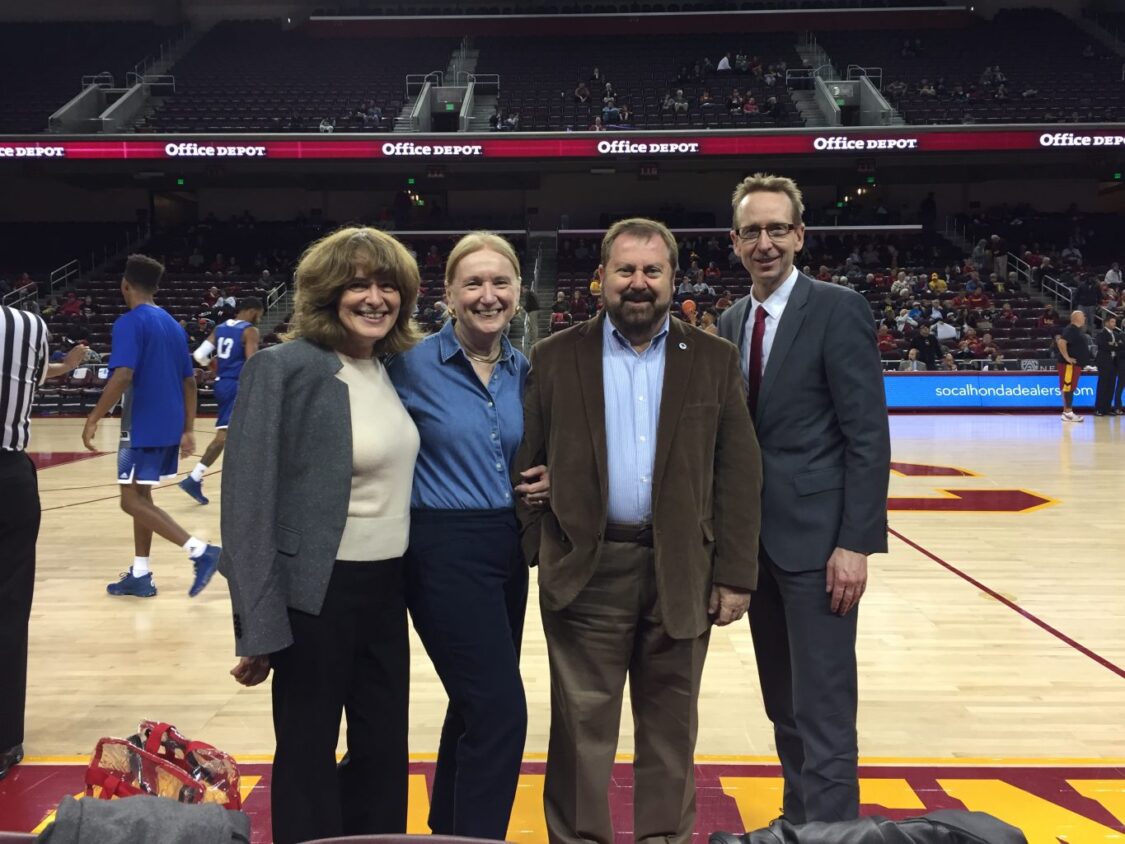
Last year Brown sponsored a resolution that established the California Task Force on Family Caregiving. USC Davis, with funding from the AARP and the Archstone Foundation, is supporting the work of the 12-member assembly and Senate-appointed team by providing substantive information and administrative assistance. “We want to continue to have California be an exemplar and to develop innovative ways of addressing caregiving needs, which are only going to increase with the aging of the population,” said Kate Wilber, Mary Pickford Foundation Professor of Gerontology at USC Davis.
Working with Wilber’s team, the task force will deliver a report in July 2018, providing the legislature with recommendations on how to improve services and support for family caregivers. “I think it is going to change a lot of systems and add to them to make sure that a caregiver will be able to not just exist, but thrive,” Brown said at the task force’s kickoff meeting on Oct. 20 at USC. Brown also noted that budgets for caregiving support services have been cut and that California caregivers are providing the state with close to $50 million of free labor, which often comes at a cost to caregivers. “Many times the caregiver gets sick and dies before the person they are caring for,” she said.
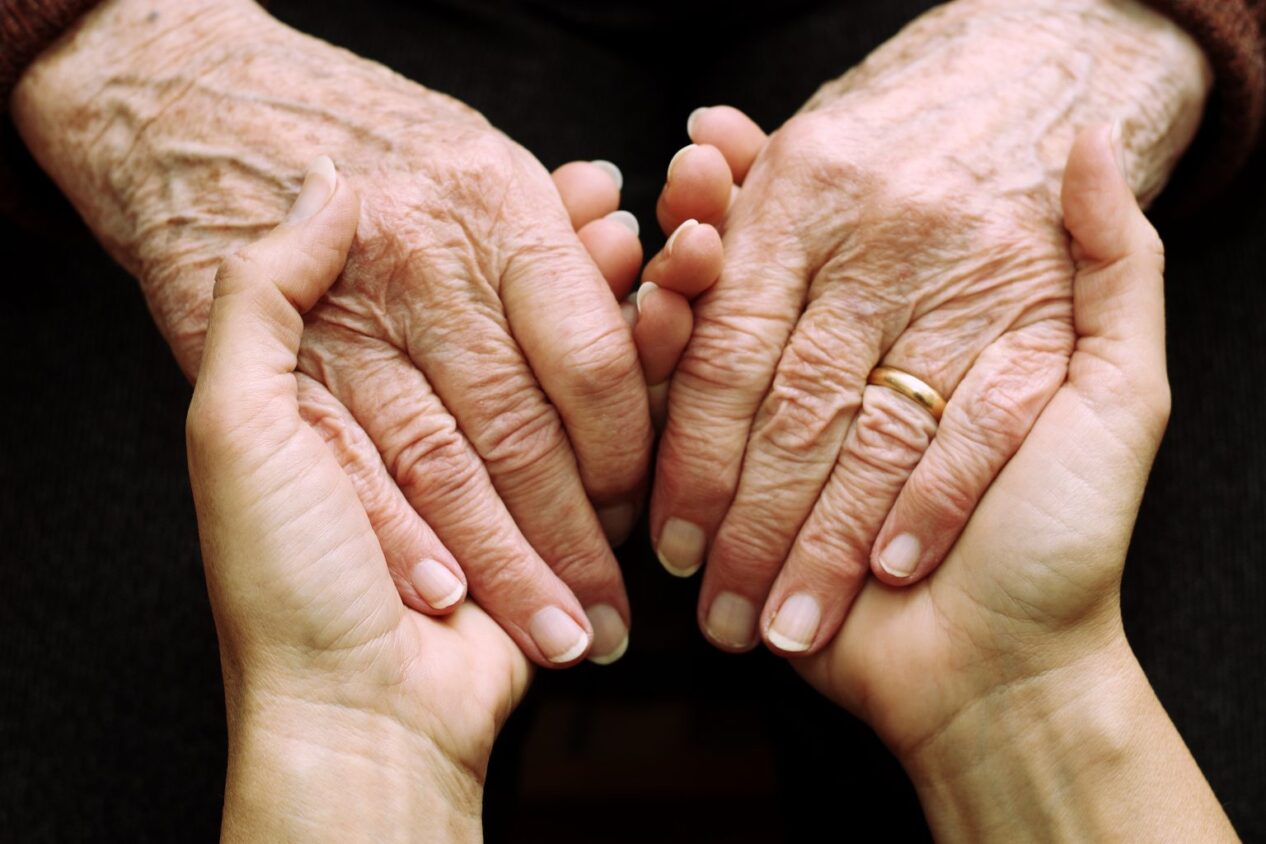
California’s task force is part of a growing recognition that caregivers, who are at risk for major diseases and depression, need care themselves.
One year ago, President Barack Obama proclaimed that November would be National Family Caregivers Month and the National Academies of Sciences, Engineering and Medicine recently issued a report recommending the development of a national strategy to address caregivers’ health, economic security and overall well-being. The report, titled “Families Caring for an Aging America,” states that around 20 million people nationwide are providing some form of support — from assisting with bathing and dressing to managing complex medications and providing constant supervision — to an older parent, spouse, friend or neighbor.
USC Professor Donna Benton is an appointed member of the task force. She is also the director of the USC Family Caregiver Support Center, which provides support to individual caregivers. Benton said that one large challenge is getting people to recognize that they are actually caregivers. “A lot of people just take on this role as part of what they think family members are expected to do for one another,” she said. “If you don’t think you are a caregiver, you are not going to ask for help.” Brown agreed that increasing awareness is key. As someone who has been a caregiver since she was young, she was excited to see USC Davis students helping out as part of the task force team and believes that they can be part of the solution.
“It is inspiring to see young people involved,” she said.




© 2026 USC Leonard Davis School of Gerontology.