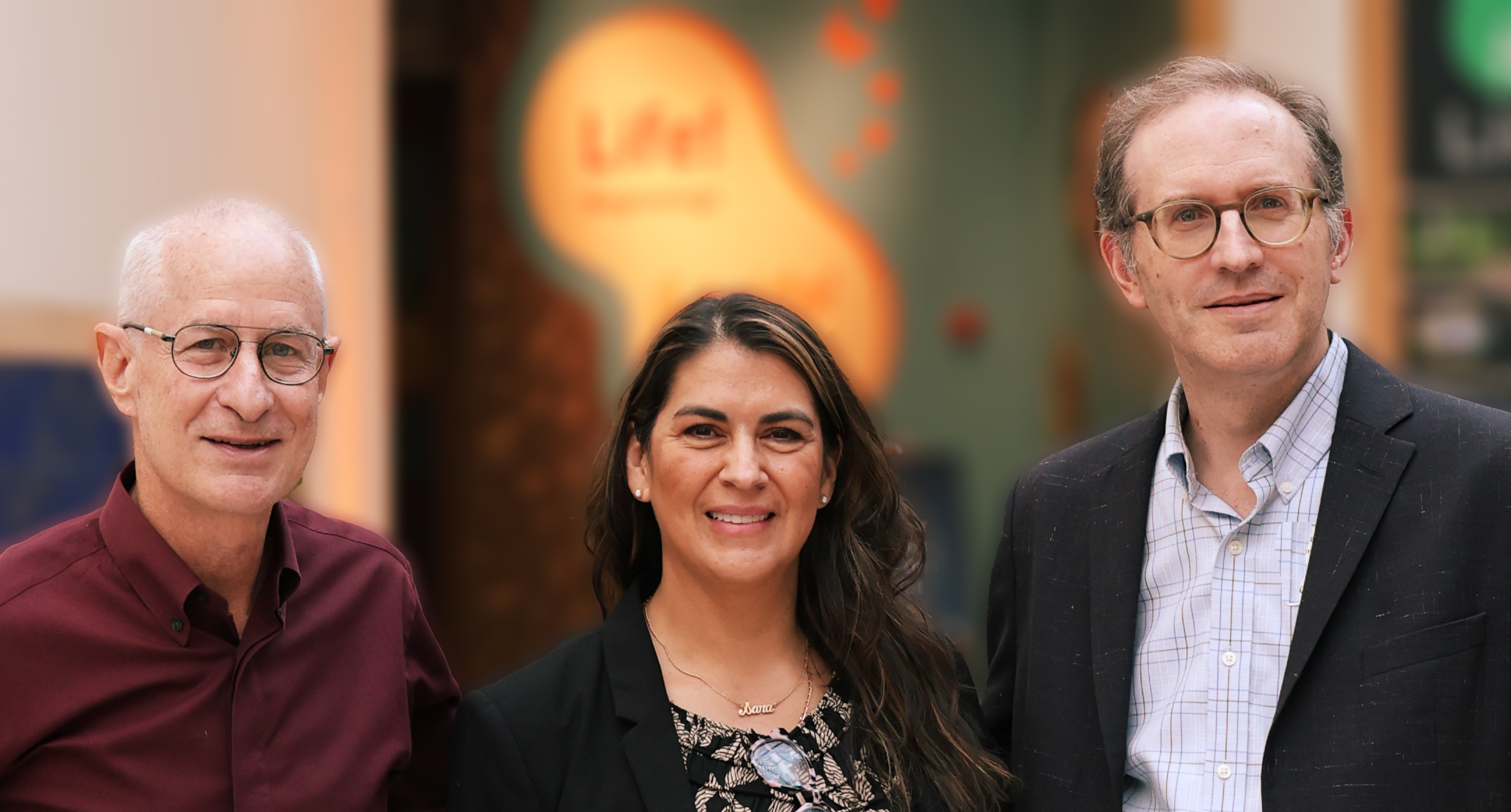
The National Institute on Aging has awarded a $6.5 million, five-year grant to Cedars-Sinai, USC and UCLA to create the Los Angeles Claude D. Pepper Older Americans Independence Center. (Photo: Nat Avunjian/USC)
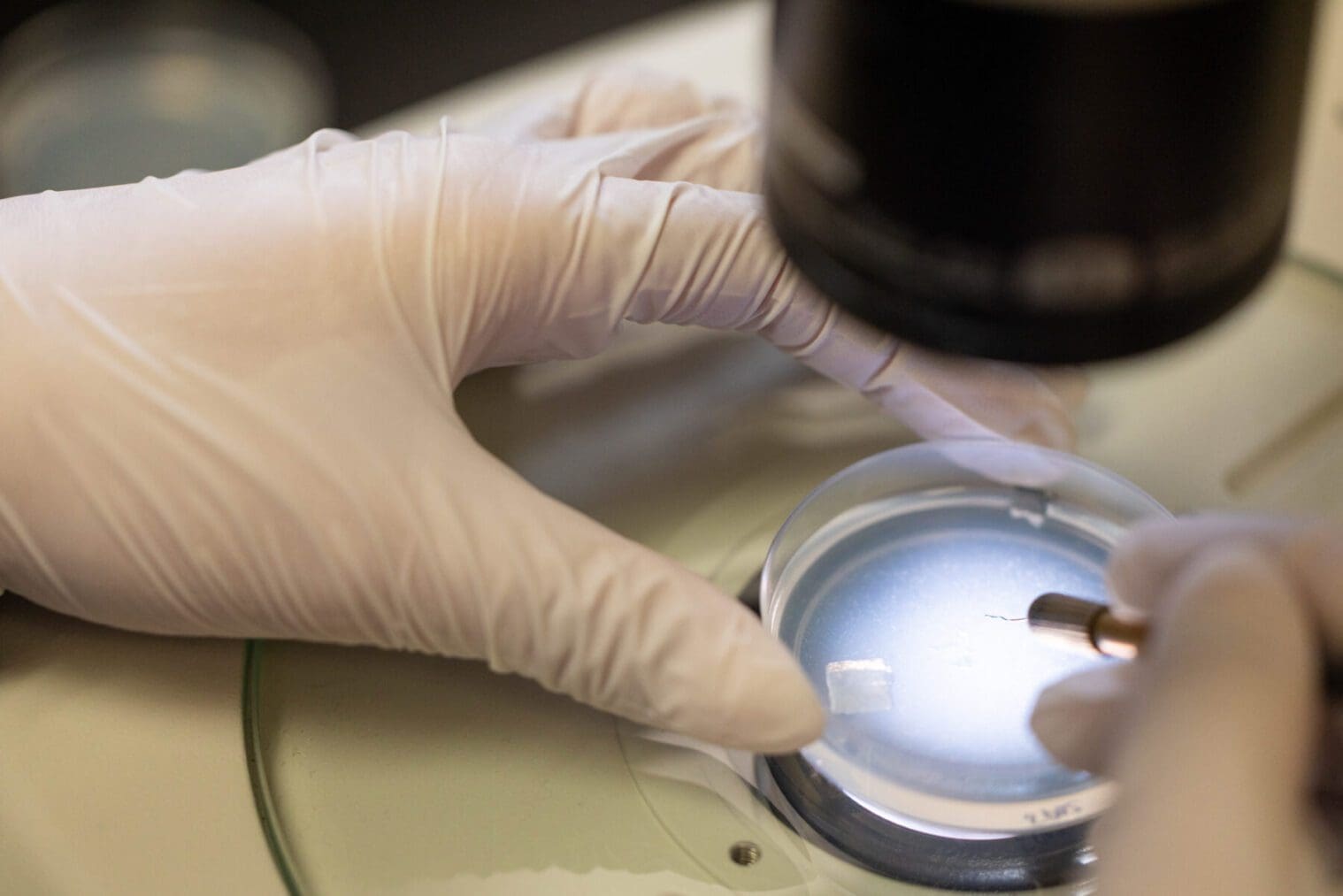
The Master of Science in Aging Biology program equips students to explore the cellular, molecular and genetic mechanisms underlying aging, as well as big data approaches that can unlock new strategies for preventing and treating age-related diseases.
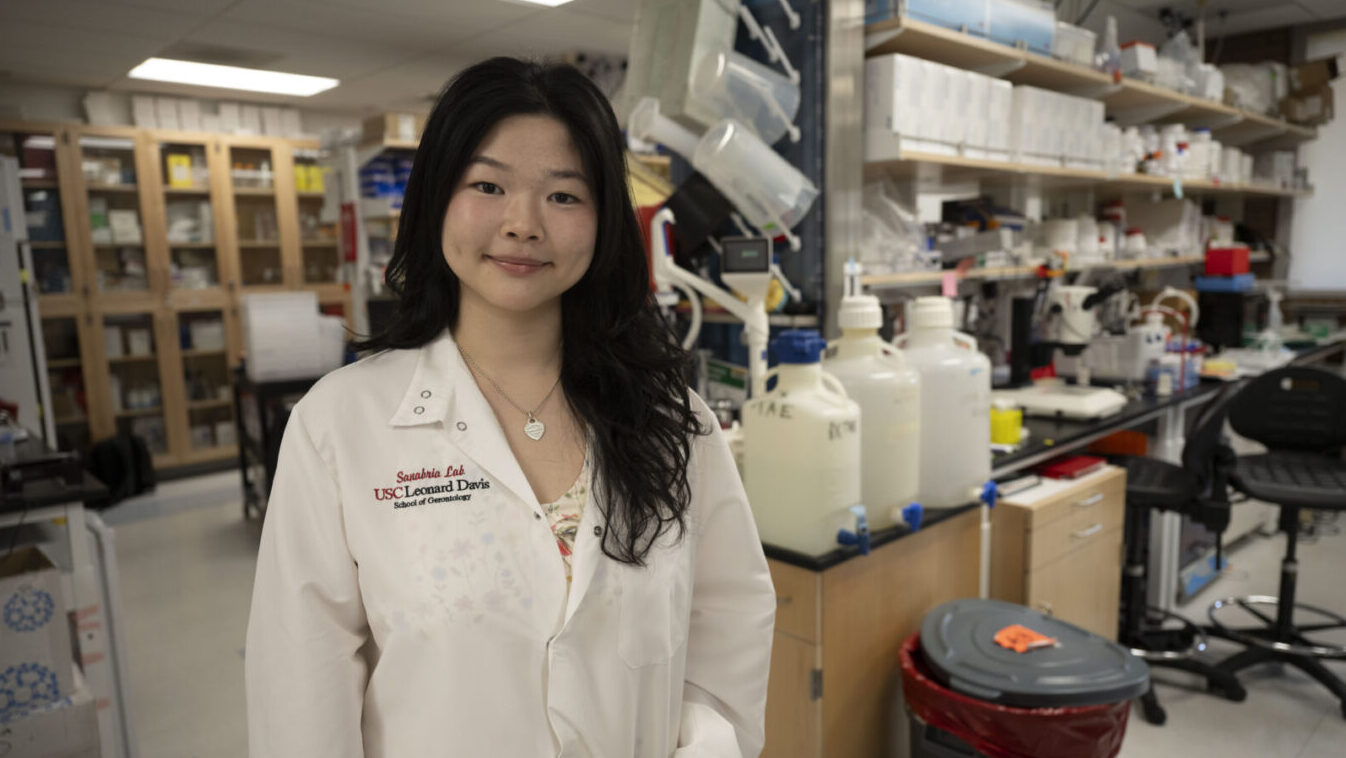
USC undergraduate researchers, including senior in human development and aging Tiffany Wang, thrive during months of “uncompromised time” in labs under guidance of mentors.
From research lab to hospital bedside, USC’s culture of innovation fosters groundbreaking approaches to the detection, treatment and prevention of cancer.
30 days of app-guided meditation linked to improvements in how quickly and accurately participants directed their focus, as measured by eye movement tracking.
New USC research indicates how iron-related oxidative damage and cell death may hasten the development of Alzheimer’s disease in people with Down syndrome.
“Biological stochasticity” — random events at the molecular and cellular level — might be one of the biggest, most overlooked drivers of differences in how we age, says Ryo Sanabria.
A multidisciplinary dementia cost project led by USC researchers provides updated estimates of the financial toll on patients, care partners and society.