
El País (Spain) interviewed Valter Longo regarding his research on fasting, metabolism and health. “We’ve done a large review of studies, analyzing data from two million people around the world. It’s clear that, by eating a lot of vegetables, whole grains and nuts, while avoiding red or processed meats, you can lengthen your life. If you add intermittent fasting to the mix, I think we can live 20 years longer,” he said.
U.S. News & World Report quoted Joshua Johnson on “red flags” to look out for when choosing an assisted living facility, including complaints to state inspectors and issues of cleanliness and odor.
Consumer Affairs mentioned a study by the USC Leonard Davis School of Gerontology that found that, with caregiver support and safety measures, aging in place has a positive impact on people as they get older.
Consumer Reports spoke to Dean Pinchas Cohen about whether Vitamin D supplementation is warranted. “Many chronic conditions, particularly diseases of aging … are linked with lower levels of vitamin D in the blood,” Cohen said, but added, “None of the common chronic diseases of aging seem to benefit from taking vitamin D.” The article also ran in Yahoo News.
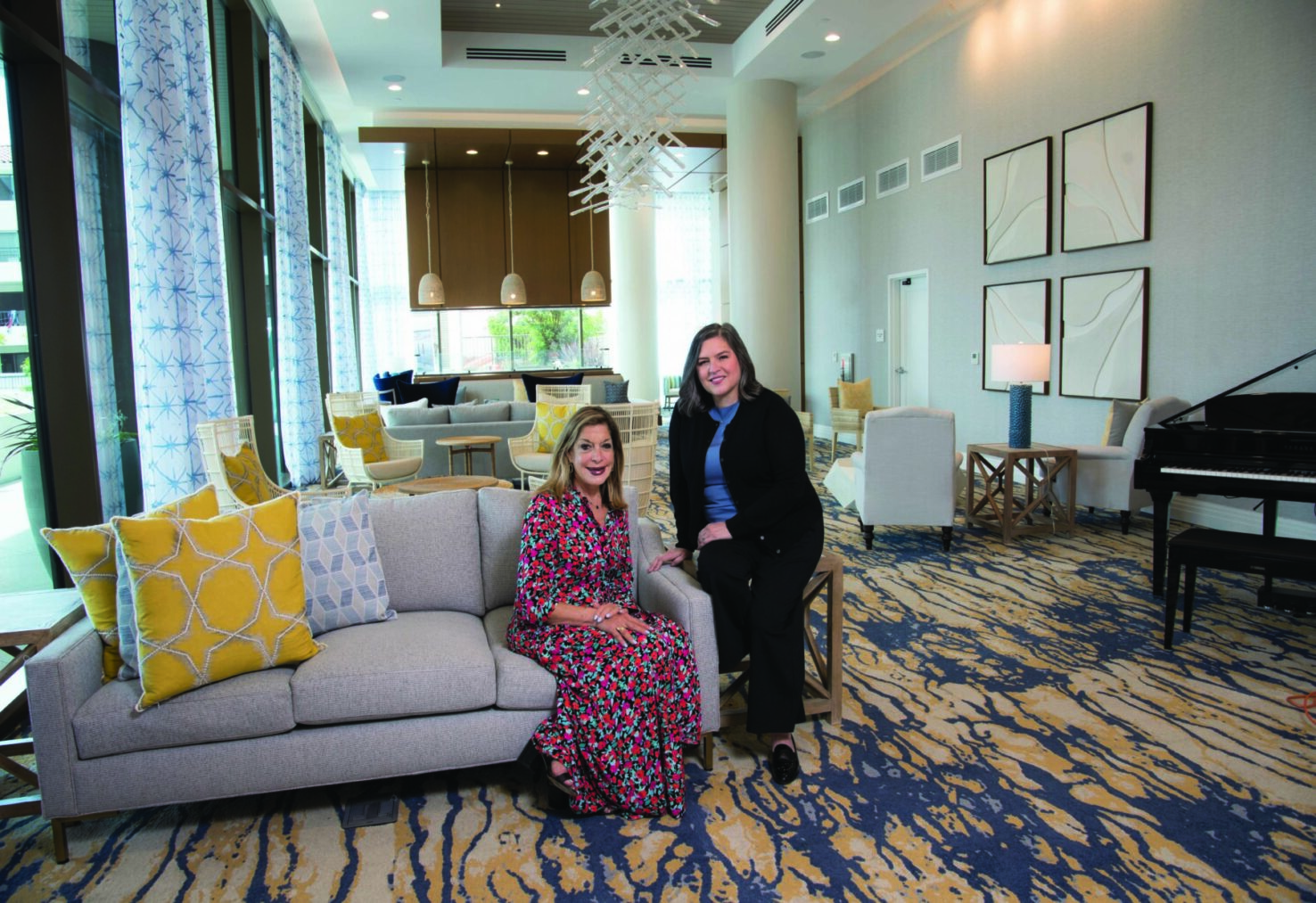
Belmont Village founder and CEO Patricia Will and Mercedes Kerr, president of Belmont Village, have arranged for the first industry-created endowed scholarship at the USC Leonard Davis School.
Read More

USC Leonard Davis experts share their ideas of what the coming years may bring.
Read More
SCIENMAG mentioned Valter Longo for his work looking at dietary strategies as part of cancer treatments. “We have been studying strategies that mimic fasting to fight cancer for years, with good results; we are now moving to the phase where oncologists are beginning to consider its use in combination with standard therapies,” he said. “The interesting thing is that it seems to work with very different cancers and in combination with different therapies. So it looks like a very promising approach.”
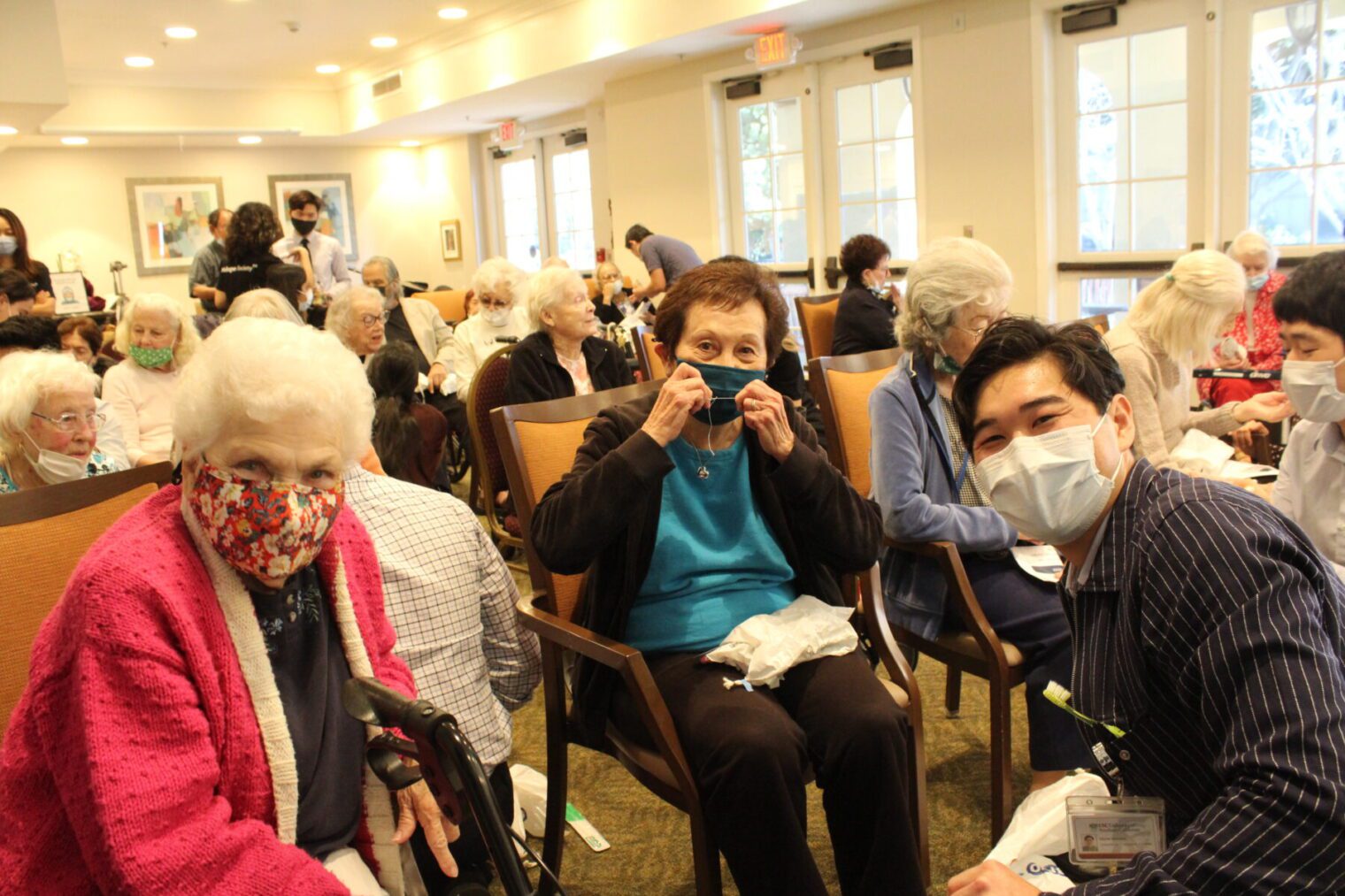
Joining forces with existing chapters at UCLA and UCI, the USC chapter focuses on student outreach to older adults, including those living in senior communities.
Read More
Senior Housing News’ Transform podcast covered West Bay CEO Jim Biggs and COO Josh Johnson’s new management company, Momentum Senior Living, and mentioned their teaching work at USC. “We teach within the School of Gerontology,” Johnson said. “Our classes kind of blend some of the different requirements of each masters level degree. I teach branding and I teach sales and marketing.” Biggs added that he teaches trends in aging services as well as leadership and management at USC.
Health spoke to Mireille Jacobson on COVID boosters and why people should get them. “It’s not a strong belief, like ‘I’m not going to get boosted’ is my sense,” she said. “You definitely don’t have that kind of ease that you had at the beginning. And I just think a lot of people are done with it—a lot of people don’t go rush out and get their flu shot either, so I see it as a very similar thing.”
- “Achieving Abundance in Eldercare” Report Maps Challenges and Opportunities in Ensuring Care for California’s Older Adults

- Study: Shingles Vaccine Linked to Slower Biological Aging in Older Adults

- Study: Email Reminders Boost Use of Database for Safe Prescribing

- More Than Just Genes: Many Factors Affect How Fast We Age

- A Half-Century of Vision: 50 Years of the USC Leonard Davis School