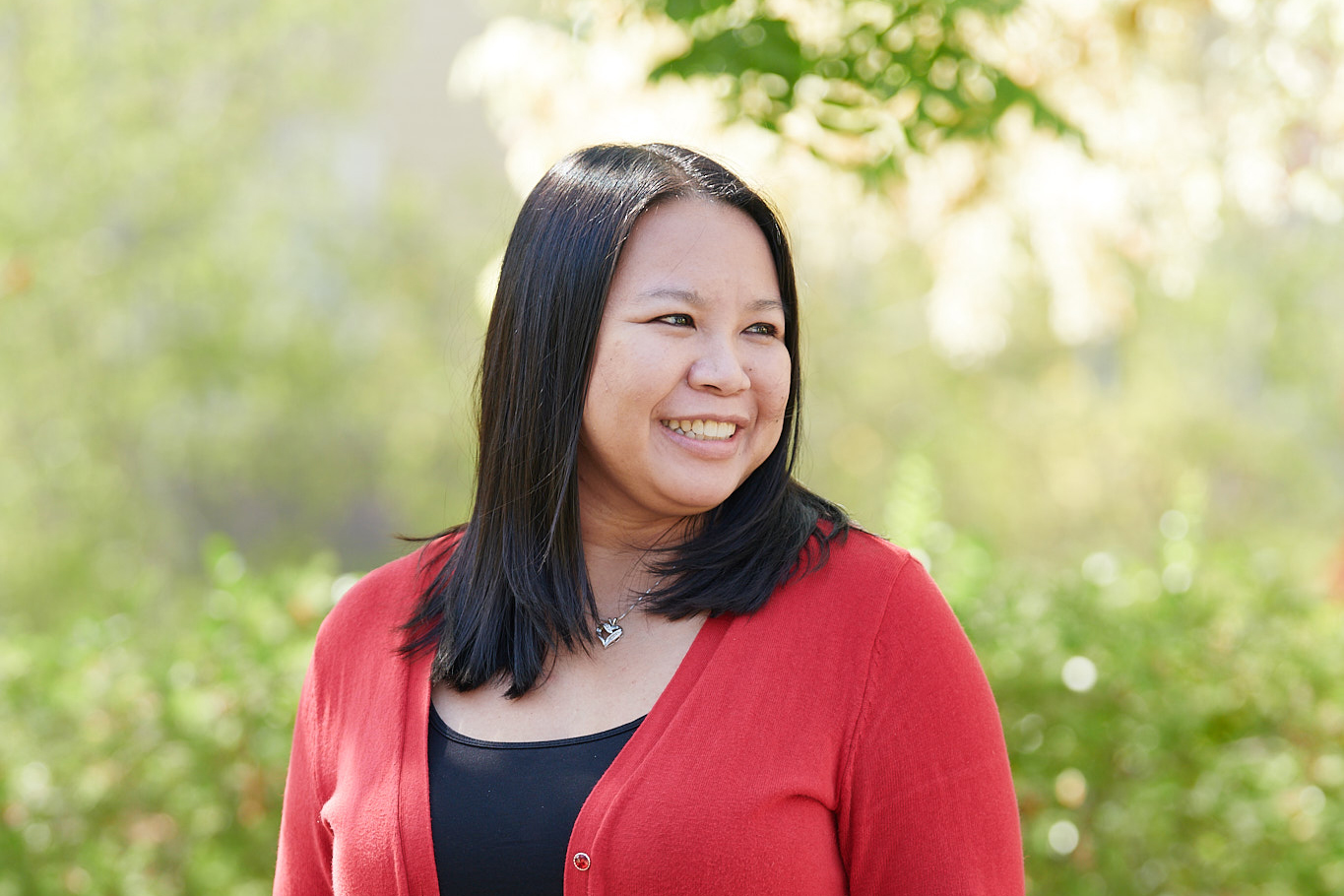
Baby boomers expect amenities in their senior care environments. USC Master of Arts in Senior Living Hospitality student and senior living executive Mariele Soriano is embracing this reality.
Read More
Annenberg Media featured an event hosted by the USC Family Caregiver Support Center regarding young caregivers in the digital age. The event featured a discussion of the “Going Gray in LA” photojournalism exhibit, a screening of the documentary “It’s Not a Burden” and a panel discussion featuring USC student caregivers. “I want people to understand that many USC students have care partnerships with older adults and that that’s a valued, recognized role and that there are other people to connect with or talk to about it or get additional help,” said panel discussion co-moderator Professor Kate Wilber.
Daily Trojan featured a USC Leonard Davis School event that included a screening of the documentary “It’s Not a Burden” and a panel discussion regarding young caregivers, including USC students, and their experiences and challenges with caregiving. “With the transition back to campus, for some students, they may be more inclined not to return to campus but do more Zoom classes and remain remote, because of the caregiving responsibilities,” said USC Family Caregiver Support Center Director Donna Benton. “For others, it was a hard decision, but they did come back to campus, which meant that the families had to find someone else to step in for caregiving.”

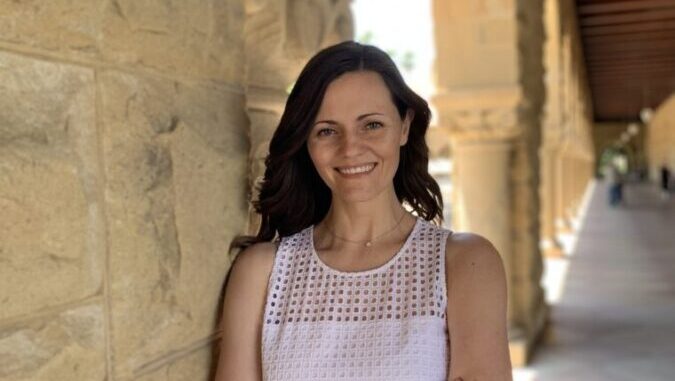
The Washington Post quoted Caleb Finch in a story on how tens of thousands of police, firefighters, construction workers, and others who worked amid the ruins of the World Trade Center in Lower Manhattan following 9/11 are experiencing cognitive decline. “There’s a large amount of uncertainty, and the data is just in the beginning of being collected,” he says. “But everyone there I talked with said this is something we ought to look at very seriously. It’s clear that this is a lingering brain insult, 20 years later.”
Vogue quoted Valter Longo on reexamining one’s diet as well as the benefits of a short-term fasting-mimicking diet. “No matter what diet you have, your system may tend to become dysfunctional,” he said.
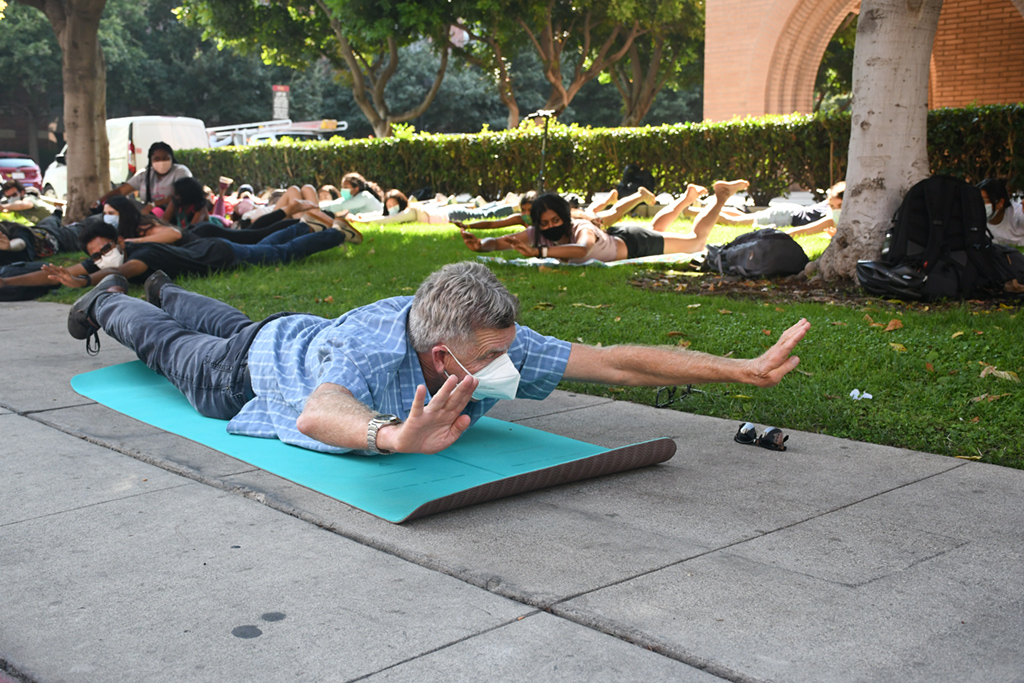
MarketWatch quoted Valter Longo on the benefits of a diet that mimics fasting. “Other than genes, it is hard to think of something that can be more powerful than food in determining whether someone is going to make it to 100 or die before 50 years old,” he said.



© 2026 USC Leonard Davis School of Gerontology.