

Older adults will be better represented in the digital realm with the emoticons
Read More
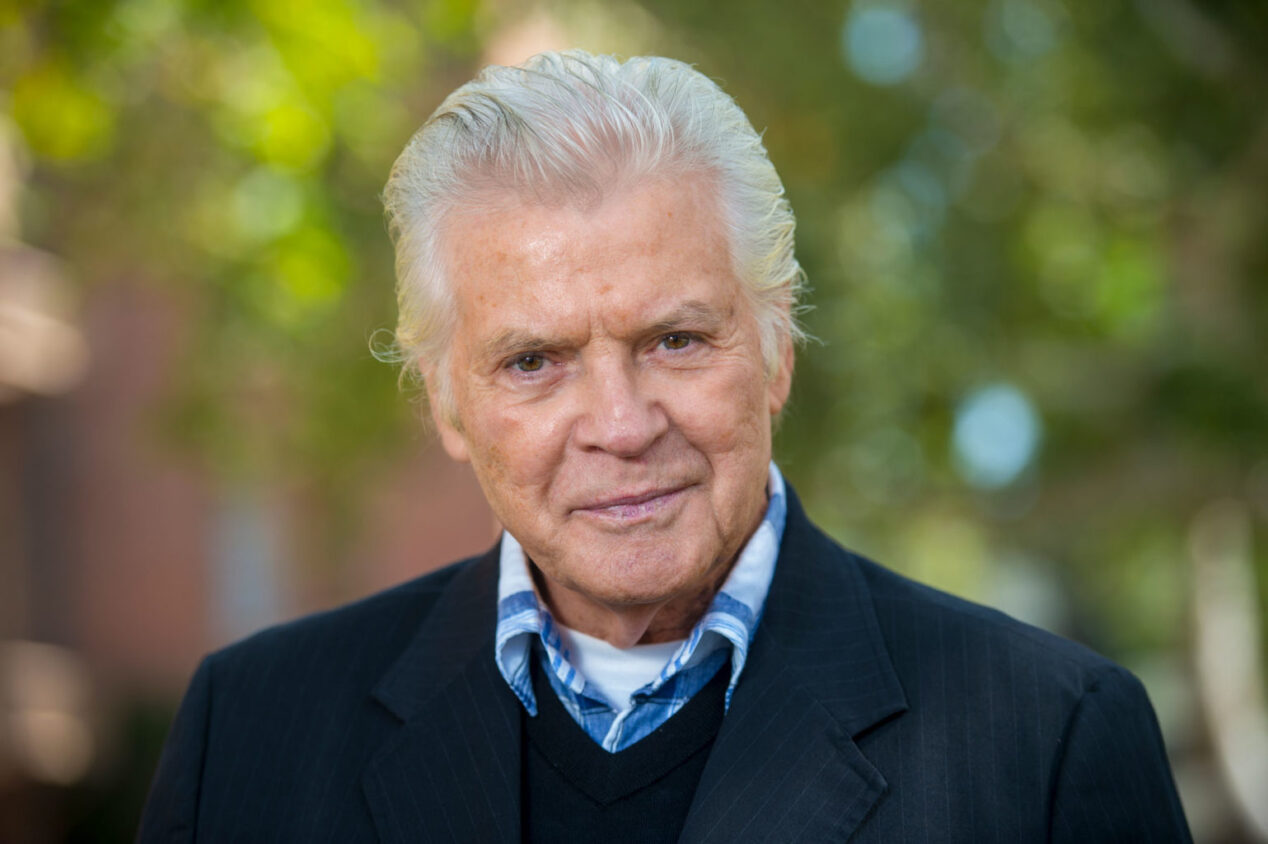
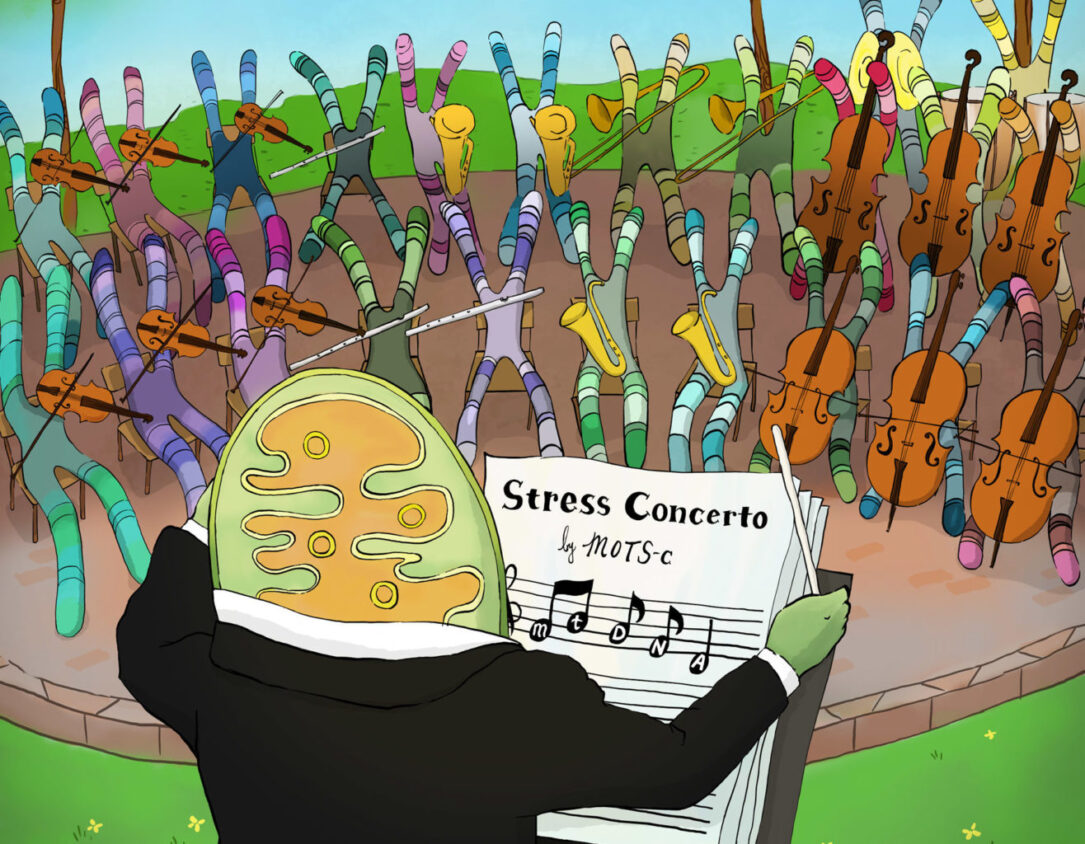
New Scientist featured research by Changhan David Lee of the USC Leonard Davis School that found mitochondria help transfer vital genetic information within a cell. The discovery opens up treatment possibilities for diseases as another target for therapies. The researchers found that although the nucleus was thought to have complete control of a cell’s genetic material, mitochondria also play a significant role as well.
Vogue featured research by Valter Longo of the USC Leonard Davis School on the health benefits of intermittent fasting and the impact of diet on aging.
“Eating within 12 hours a day is important, and if you’re overweight, eating two meals a day plus a snack rather than the five meals (three meals and two snacks) we often hear about, is also important,” said Longo.
Physics World quoted Caleb Finch of the USC Leonard Davis School on the far-reaching effects of air pollution on aging.
“The negative health consequences associated with air pollution are on a par with obesity,” says Finch. “Essentially it accelerates all age-related health conditions.”




© 2026 USC Leonard Davis School of Gerontology.