A USC study found that a combination of a fasting-mimicking diet plus vitamin C delayed tumor progression and even caused disease regression in mice.
Read More
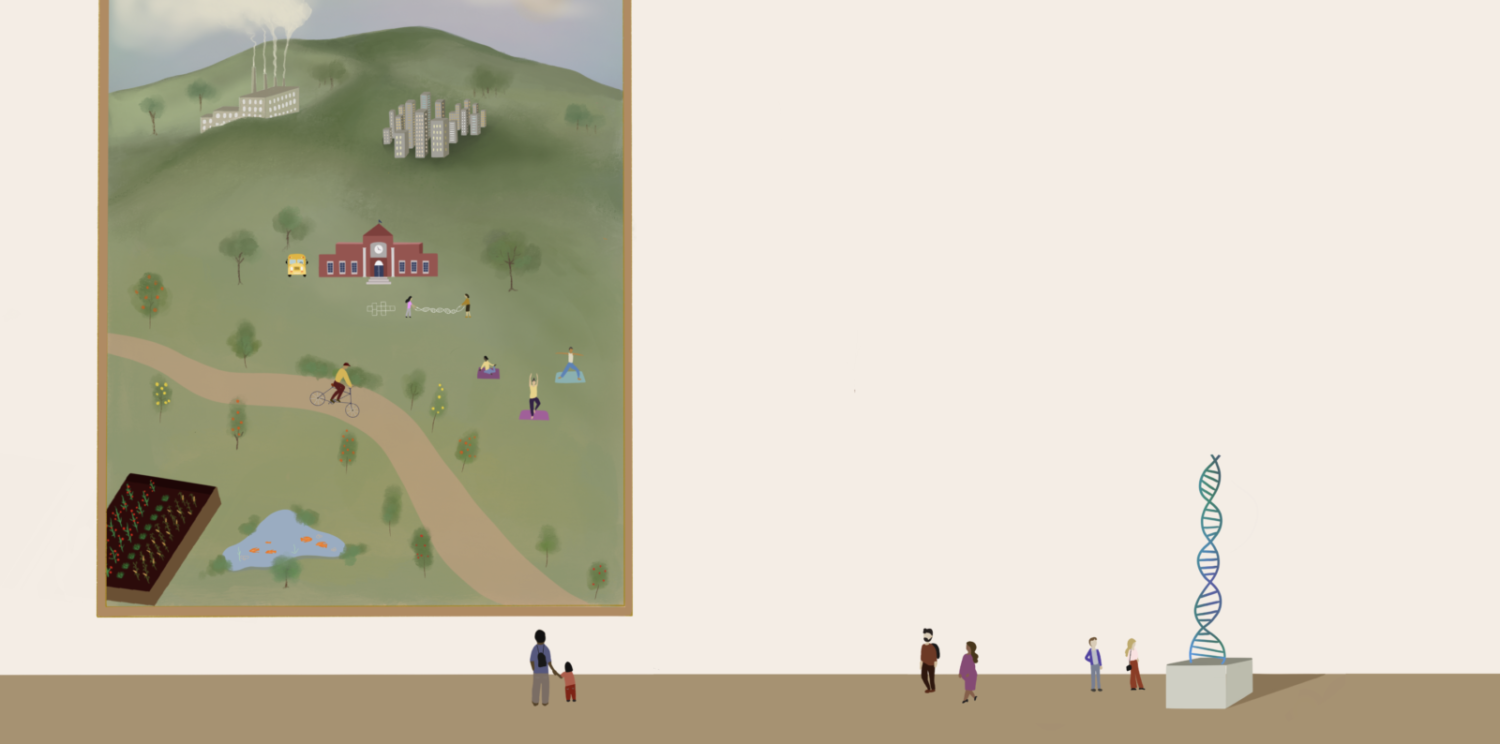
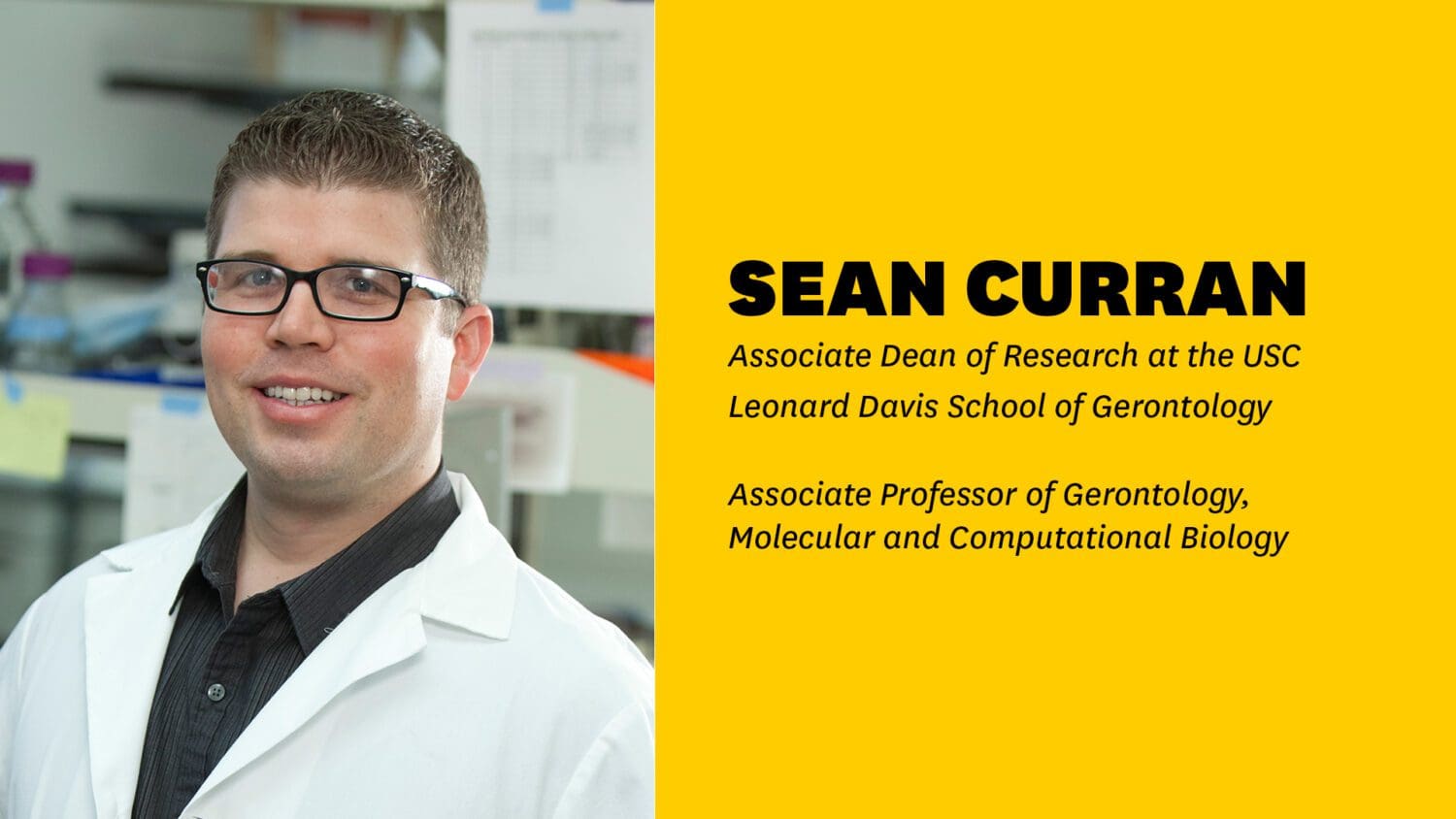
Sean Curran, the Associate Dean of Research at the USC Leonard Davis School and an Associate Professor of Gerontology and Molecular and Computational Biology, joins Professor Geroge Shannon in a conversation about his research toward generating blueprints that can allow an individual to maximize health over the course of their lifespan. Informed by genetics, he is developing the capacity to predict which diets are ideal for a healthy life and which should be avoided.
On the effect genetic makeup has with fad diets
“I think everybody knows somebody who’s done a fad diet that had amazing results. And then similarly either tried that diet themselves or knows someone who did the exact same diet, only to find it didn’t work at all. I would argue that those two diets or those two ways of changing what you eat probably had the same effect overall. But the reason that the results were different was because of the genetic makeup of the individual. So I think this is a new way of thinking about personalized medicine but taking it from a personalized diet standpoint, where rather than prescribing a one size fits all diet, looking at the genetic makeup of an individual and then one day being able to prescribe to them— here are the types of food that you should avoid and here are the types of food that you should increase consumption of on a daily basis.”
On the past research of diets and genetics for aging
“So I don’t think anyone would argue that both diets and genetics play important roles in how our cells metabolize things and, and how healthy we are and how long we’re gonna live. But in the past, the studies that had been done usually look at one specific mutation and in the context of one individual diet. So these are all traditional classical genetic studies. But what we found is actually that diet has a much more powerful role over the lifespan than we originally thought. We’ve actually found conditions where a diet can be used to mask a genetic mutation.”
On his research of worm’s diets
“A lot of studies have shown that worms can actually make a choice to pick one diet versus the other. But I think it’s interesting what hasn’t really been studied yet is whether or not worms make that decision based on the information that’s given to them. Is this diet actually better for them? Is it nutritionally more readily available for them or does it just smell and taste better to them?”
On why food is hard to study with regard to aging
“So I would argue food is probably one of the most variable aspects of any individual’s life compounded across differences and food that you made over the lifespan. Food and diet is integrated into our society on multiple levels. It’s deeply rooted in what your personal tastes are. It’s rooted in what your economic status is, what you have the availability to, to actually purchase in the market as well as cultural and family influences as well. So because of this, I think a lot of the research early on focused on changing sort of large factors in diet, particularly studies that either changed the amount of food that you’re going to eat or when you were given access to the food.”
On how ‘yoyo’ dieting can be hard to keep up
“I think there’s a lot of aspects of diet that make changing behavior complicated. One, the thought of depriving yourself of something, whether you really want it or not, I think perhaps has a psychological effect on a lot of people. I also believe that a lot of changes that you’ll have to your diet work in the first couple of weeks. So I think the existence of what people think of as yoyo dieting is because when you exert a massive change on what your normal behavior is, your body is trying to adapt to this new and different types of nutrients that you’re giving it. Because of that, you probably lose a little bit of weight in the first couple of weeks. After that, your body is used to using the types of nutrients, the types of foods, the amount of calories that you’re giving it. It is adapted to the new diet you have.”

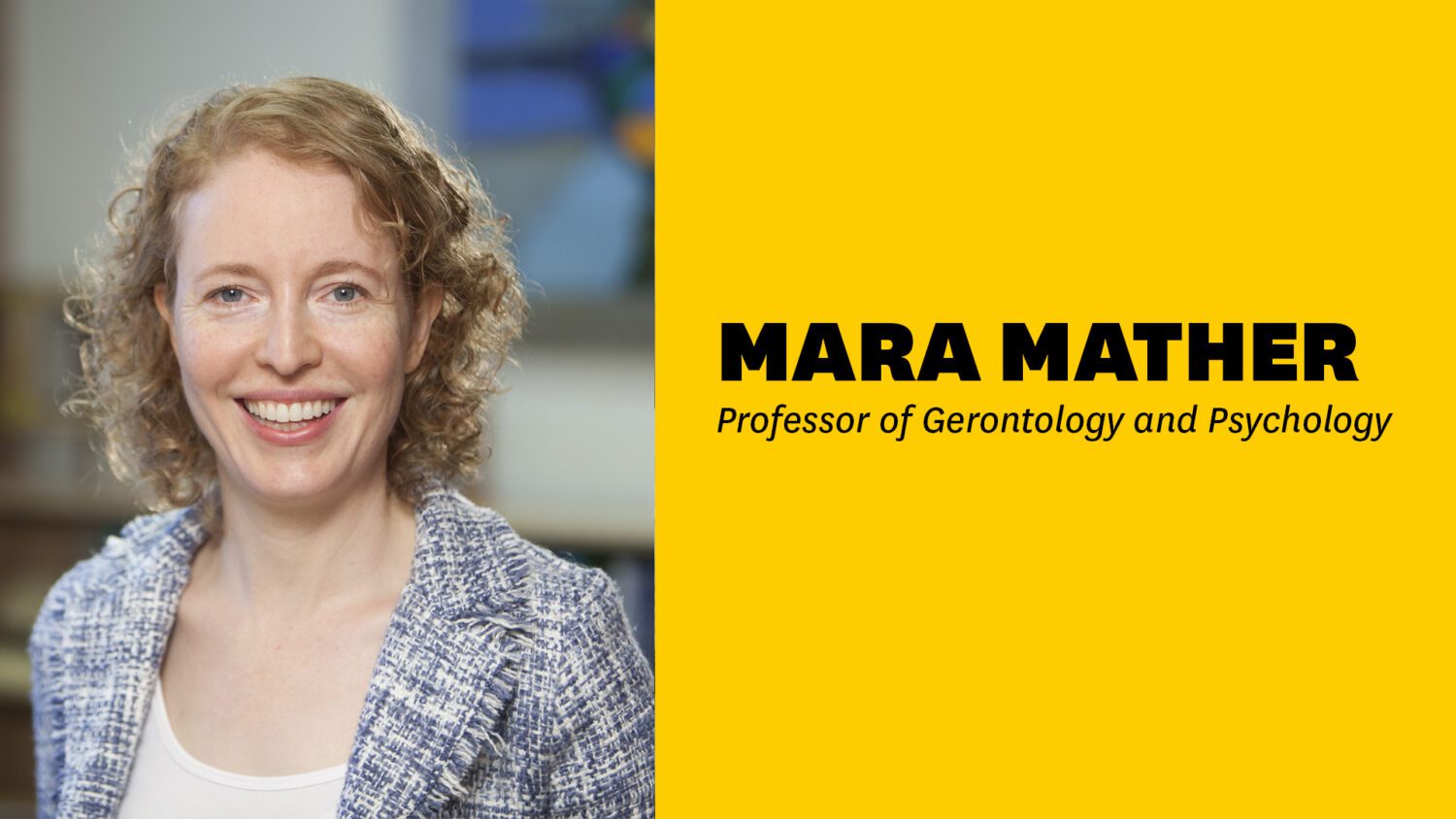
Mara Mather, Professor of Gerontology and Psychology at the USC Leonard Davis School of Gerontology, is shedding light on how we learn, what we remember, and where we might find clues to slowing the progression of Alzheimer’s disease.
“What is it that you remember? The things that you remember are typically the things that were really emotional in your life that mattered to you, that were surprising, that stood out. And we also can notice ourselves how much we tend to have gaps in some of these memories. And so scientists have been interested in this for a very long time.”
“We looked at a sample of several hundred adults and we found among the older adults that the integrity of the locus coeruleus or this brightness that it shows on our MRI images because of its magnetic properties – as that declines with age, it seems that the locus coeruleus is probably showing some neuronal loss. And we found that that signal was associated with how well people did on memory tests. So people who showed what looked like a more intact locus coeruleus were doing better on memory tests.”
“It turns out the locus coeruleus is a really fascinating area to look at in aging because it is the first place that Alzheimer’s pathology is seen. And what I mean there is when you hear about Alzheimer’s disease, you hear about plaques and tangles and the plaques are amyloid beta pathology and the tangles are related to tau pathology and tau pathology starts in the brain quite a bit earlier than the amyloid.”
“I think that Alzheimer’s is more like cardiovascular disease. It’s a spectrum and we’re all somewhere on this spectrum. We all have a little bit of the disease pathology the way that we probably all have some atherosclerosis lurking somewhere in our cardiovascular system. What this means is that, Alzheimer’s is this very slow-moving process and what we really want to be doing is slowing it down.”
“That high arousal state is helping you to learn new things and shape your brain and keep your brain plastic as you get older or throughout life. But those high energy, high metabolic brain plasticity processes are creating waste, they’re producing things like amyloid and tau. So you’ve got these positive aspects that leads to brain plasticity, but it also can lead to more pathology.”
“You need both the high arousal, sympathetic nervous system, properties that allow for brain plasticity. And you also need these relaxation, parasympathetic properties that allow for things to be repaired and for waste to be cleared out. And you need to go through both of those states every day pretty much to maintain a healthy balance of both really high performance and dealing with the consequences of having had all that brain activity.”
“And so my hope and my ambition is to try to figure out the balance where you can engage the brain in intense mental stimulation that leads to growth and neuroplasticity. And we can also figure out optimal ways to either restore deep sleep and enhance that or do these sort of meditative or heart rate variability, biofeedback sort of practices that can mimic some of the aspects of deep sleep and allow for the clearance of the waste products of that really high mental stimulation.”
“One study that looked at a large sample of people who have practiced meditation for many years versus people who have not practiced meditation found that when they just used a machine learning technique to guess at how old the brains were of each person. This algorithm guessed that on average, the meditators brains were 7.5 years younger than their actual age and compared to the control brains, which were non-meditators and didn’t show that effect. So it seems that meditation is associated with benefits for the actual brain health, which is really interesting, whether this might be because over years, they’ve had better clearance of these potentially pathological aspects that when they accumulate for many years eventually lead to Alzheimer’s disease.”
Learn more about Professor Mara Mather and her work at https://gero.usc.edu/faculty/mather/




© 2026 USC Leonard Davis School of Gerontology.